Basic Information
| Field | Details |
|---|---|
| Full name | Roberto Enrique Clemente Walker |
| Also known as | Roberto Clemente |
| Born | August 18, 1934 — Barrio San Antón, Carolina, Puerto Rico |
| Died | December 31, 1972 — off the coast near San Juan, Puerto Rico (aviation accident en route to Nicaragua) |
| Nationality | Puerto Rican |
| Occupation | Professional baseball player; humanitarian |
| MLB team | Pittsburgh Pirates (1955–1972) |
| Position | Right fielder (B/T: Right/Right) |
| Jersey number | 21 |
| Height / Weight | 5 ft 11 in (1.80 m) / 175 lb (79 kg) |
| Hall of Fame | Inducted 1973 (special election) |
| Spouse | Vera Zabala (m. 1964–1972) |
| Children | Roberto Clemente Jr., Luis Roberto Clemente, Roberto Enrique “Ricky” Clemente |
Early Life and Family Roots
Roberto Enrique Clemente Walker grew up in a large, tight-knit family in Puerto Rico, the youngest of the children of Melchor Clemente, a laborer, and Luisa Walker, a laundress. The maternal surname Walker—carried proudly as part of his full name—signals both lineage and identity in Puerto Rican naming tradition. From sandlots in Barrio San Antón to bustling fields in Carolina, he forged an arm like a lighthouse beam and a swing that sent line drives whistling like telegrams.
Before Major League Baseball took notice, Clemente starred for Cangrejeros de Santurce in the Puerto Rican Winter League (early 1950s), playing against and alongside some of the era’s finest. Signed in 1954 and selected that same year in the Rule 5 draft by the Pittsburgh Pirates, he debuted in 1955. Every step of the way, family tethered him to home: lessons in resilience from his parents, pride in his island, and a duty of care that would define the arc of his life.
The Clemente Family
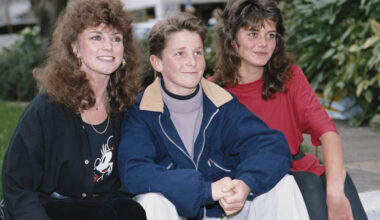
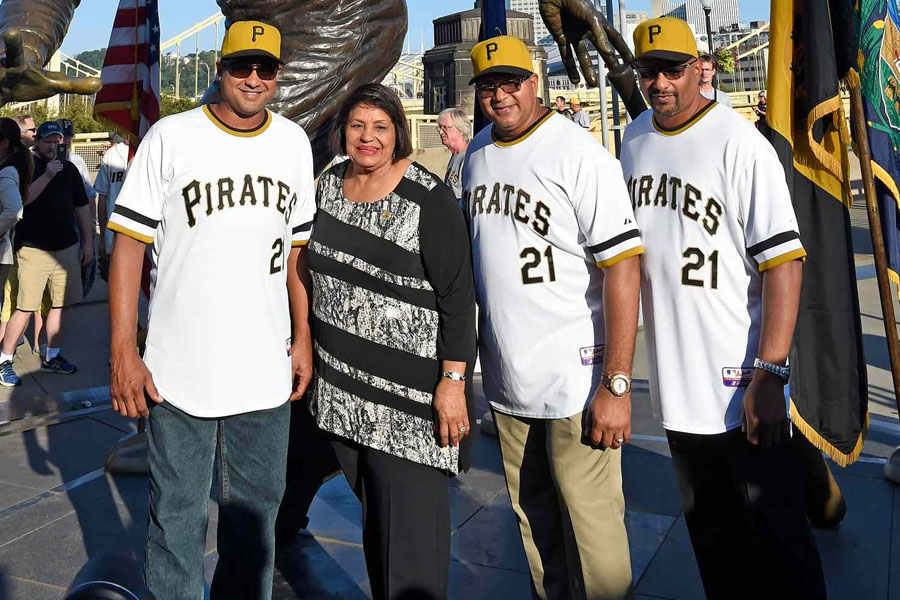
Clemente married Vera Zabala in 1964. After his death in 1972, Vera became the steward of his legacy, helping to build Ciudad Deportiva Roberto Clemente and leading the family’s foundation for decades. She passed away in 2019. Their three sons remain the living bridge to their father’s work and memory.
| Family Member | Relation | Years | Notes |
|---|---|---|---|
| Melchor “Don Melchor” Clemente | Father | — | Laborer; formative influence on work ethic |
| Luisa (Walker) Clemente | Mother | — | Her surname remains part of Roberto’s full name |
| Vera Zabala Clemente | Wife | 1941–2019 | Led the foundation; global goodwill ambassador |
| Roberto Clemente Jr. | Son | b. 1965 | Broadcaster, speaker, visible advocate of the legacy |
| Luis Roberto Clemente | Son | — | Active in family and foundation initiatives |
| Roberto Enrique “Ricky” Clemente | Son | — | Youngest; generally keeps a lower public profile |
| Grandchildren | Family | — | Appear at commemorations and ceremonial events |
Career at a Glance
Clemente’s career compresses greatness into 18 incandescent seasons. He captured four National League batting titles, racked up a perfectly rounded 3,000 hits, secured 12 Gold Gloves with acrobatic grace in right field, and lifted the Pirates to two World Series championships (1960, 1971). He was the National League MVP in 1966 and the World Series MVP in 1971—performances that fused charisma with cold efficiency. He remains one of baseball’s purest two-way threats: a bat that punished mistakes and an arm that froze runners in their tracks.
| Achievement | Number / Year |
|---|---|
| MLB seasons | 18 (1955–1972) |
| Career hits | 3,000 |
| Batting average | .317 |
| Home runs / RBI | 240 HR / 1,305 RBI |
| All-Star selections | 15 |
| NL batting titles | 4 (1961, 1964, 1965, 1967) |
| Gold Gloves | 12 (1961–1972) |
| World Series titles | 2 (1960, 1971) |
| League MVP | 1966 |
| World Series MVP | 1971 |
His defense was theater and threat in equal measure. He turned foul lines into no-man’s land, with throws as straight as compass needles. At the plate, he was an artist of angles—gapping doubles, slicing singles, and occasionally launching a thunderclap to the bleachers.
Milestones Timeline
| Year | Milestone |
|---|---|
| 1952–1954 | Stars in Puerto Rico with Cangrejeros de Santurce |
| 1954 | Signed; selected by Pittsburgh in the Rule 5 draft |
| 1955 | MLB debut with the Pirates |
| 1960 | Helps Pirates win the World Series |
| 1966 | National League MVP |
| 1971 | World Series MVP; Pirates champions |
| Sept 30, 1972 | Records 3,000th career hit |
| Dec 31, 1972 | Dies in plane crash on humanitarian mission to Nicaragua |
| 1973 | Special Hall of Fame induction; MLB’s community-service honor renamed the Roberto Clemente Award |
Humanitarian Work and Foundation
Clemente’s conscience was as famous as his arm. He organized relief shipments after a devastating Nicaraguan earthquake in December 1972 and boarded a plane himself when he feared aid wasn’t reaching victims. The flight never arrived. That tragedy welded his humanitarianism to his athletic legacy, making his name not only a stat line but a standard.
After 1972, Doña Vera channeled her grief into sustained community building: youth programs at Ciudad Deportiva, outreach across Puerto Rico and Latin America, and stewardship of the Roberto Clemente Foundation. The foundation remains an active, family-led nonprofit, modest in scale but steady in mission—typical recent filings show revenues and assets in the low hundreds of thousands, the size of a working charity rather than a vast private endowment. Each September, Major League Baseball observes Roberto Clemente Day; players and clubs spotlight community service in his name and, increasingly, advocate for the symbolism of the number 21.
Recent Headlines and Ongoing Legacy
Clemente’s presence in public life remains immediate and sometimes combustible. In 2025, a controversy over the removal of a prominent No. 21 tribute at PNC Park spurred apologies and a reversal after family and fans voiced dismay. Exhibitions celebrating his 3,000 hits and his humanitarian story continue to travel, with stops tied to marquee baseball events and cultural festivals. Family voices—often led by Roberto Clemente Jr.—frame these moments with gratitude and insistence: the legacy is living, and it demands action.
In social and civic spaces, Clemente has become a north star for service-minded athletes. His name opens doors in classrooms and clubhouses alike, reminding young players that excellence without empathy is only half a victory.
Estate, Rights, and Name
Clemente earned salaries that, by modern standards, were modest. Retrospective estimates place his net worth at the time of his death at a few hundred thousand dollars. The family’s guardianship of his name, likeness, and story has emphasized education, humanitarian outreach, and carefully curated licensing. The message is consistent: protect the dignity of the man while amplifying the reach of his mission.
By the Numbers
| Category | Figure |
|---|---|
| Seasons with Pirates | 18 |
| All-Star Games | 15 |
| Gold Gloves | 12 |
| Batting titles | 4 |
| World Series rings | 2 |
| Career hits | 3,000 |
| Career average | .317 |
| Jersey | 21 |
FAQ
Why is he sometimes called Roberto Enrique Clemente Walker?
In Puerto Rican naming customs, children commonly use both paternal and maternal surnames; “Walker” is his mother’s surname.
How did Roberto Clemente die?
He died in a plane crash on December 31, 1972, while flying relief supplies to earthquake-stricken Nicaragua.
Which team did Clemente play for in MLB?
He played his entire Major League career for the Pittsburgh Pirates from 1955 to 1972.
How many hits did he have?
He finished with exactly 3,000 career hits, reaching the milestone on September 30, 1972.
What number did he wear?
He wore number 21, now one of the most recognizable numbers in baseball.
What awards did he win?
He earned 12 Gold Gloves, four batting titles, the 1966 NL MVP, and the 1971 World Series MVP.
What is the Roberto Clemente Award?
It is MLB’s annual honor recognizing the player who best exemplifies sportsmanship, community involvement, and contribution to the team.
Was he the first Latin American Hall of Famer?
Yes, he became the first Latin American and Caribbean player inducted into the Baseball Hall of Fame in 1973.
Who are his immediate family members?
His wife was Vera Zabala, and their sons are Roberto Jr., Luis Roberto, and Roberto Enrique (“Ricky”).
What positions did he play?
He was a right fielder renowned for elite defense and a powerful, accurate throwing arm.