Slow-draining basins, standing water around shower drains, and sluggish kitchen sinks are among the most frequent and frustrating domestic inconveniences. When wastewater fails to flow freely, many homeowners reflexively reach for store-bought liquid drain openers. Advertisements often depict these brightly colored chemical solutions as effortless remedies that melt away blockages within minutes. However, the chemical reality occurring inside your drainage network tells a very different story.
Commercial drain openers generally consist of highly concentrated caustic agents like sodium hydroxide or sulfuric acid. These harsh compounds generate intense exothermic reactions inside the plumbing line to break down organic matter. The extreme thermal energy produced during this process poses serious risks to modern polyvinyl chloride pipes by warping the plastic, softening rubber gaskets, and degrading glued slip joints. Older cast iron lines do not fare much better, as caustic acid accelerates corrosion, creating jagged pits that snag even more debris over time.
In addition to pipe deterioration, commercial clearing solutions pose severe personal safety concerns. Splashes can cause serious chemical burns to human skin and eyes, while the resulting toxic fumes irritate delicate respiratory tissues. If the chemical mixture fails to dissolve the blockage, your sink remains filled with a pool of hazardous liquid that makes subsequent mechanical clearing dangerous for anyone working on the fixture. Transitioning to non-corrosive, physical techniques preserves your drainage layout and clears clogs with far greater reliability.
Understanding What Causes Pipe Blockages
Clogs rarely appear out of nowhere. Instead, they accumulate gradually as routine waste binds to the interior walls of drainage lines, pipe elbows, and waste traps. Recognizing what enters specific household drains helps you select the correct removal method.
The Problem with Kitchen Fats, Oils, and Grease
Kitchen sinks face a steady stream of cooking residues. Fats, cooking oils, and grease, often referred to in the trade as FOG, enter the sink as warm liquids. As this runoff travels into cooler subterranean pipes, it solidifies into a tacky, gelatinous film along the bottom and sides of the line.
Once this sticky layer establishes itself, stray coffee grounds, pasta starches, flour, and minute vegetable remnants adhere to the surface. Over time, the internal diameter of the line narrows significantly, restricting normal flow until water backs up completely.
Hair and Soap Curd Accumulation in Bathrooms
Bathroom plumbing deals with an entirely different set of waste products. Hair strands shed during grooming or bathing wash down the drain and snag on the rough edges of pop-up stoppers, strainer crossbars, and the internal curvature of P-traps.
Once anchored, these fibers weave into a dense net that traps heavy body washes, bar soap curds, skin flakes, and mineral deposits. This combination forms a water-resistant, fibrous clump that chemical liquids simply wash past without dissolving. Removing these blockages requires physical extraction rather than liquid pouring.
Manual Tools for Mechanical Clog Removal
Mechanical intervention physically extracts or dislodges blockages without exposing the drainage system to high heat or caustic compounds.
Extracting Debris with Barbed Drain Snakes
For bathroom sinks and tubs, the source of the trouble is usually located within the first seven to ten inches of the drain opening. Reaching this shallow zone requires only a simple, inexpensive barbed plastic snake.
Start by unscrewing or lifting out the pop-up stopper assembly. If the stopper does not lift freely, check beneath the sink basin to release the retaining clip on the horizontal pivot arm. Insert the flexible plastic tool down into the pipe opening, gently twisting it as you advance past the rim. The reverse-angled teeth grab hair bundles and soap residue. Slowly draw the tool upward, discard the captured debris directly into a trash bag, and rinse the pipe with warm tap water to confirm the blockage is gone.
Generating Kinetic Force with a Plunger
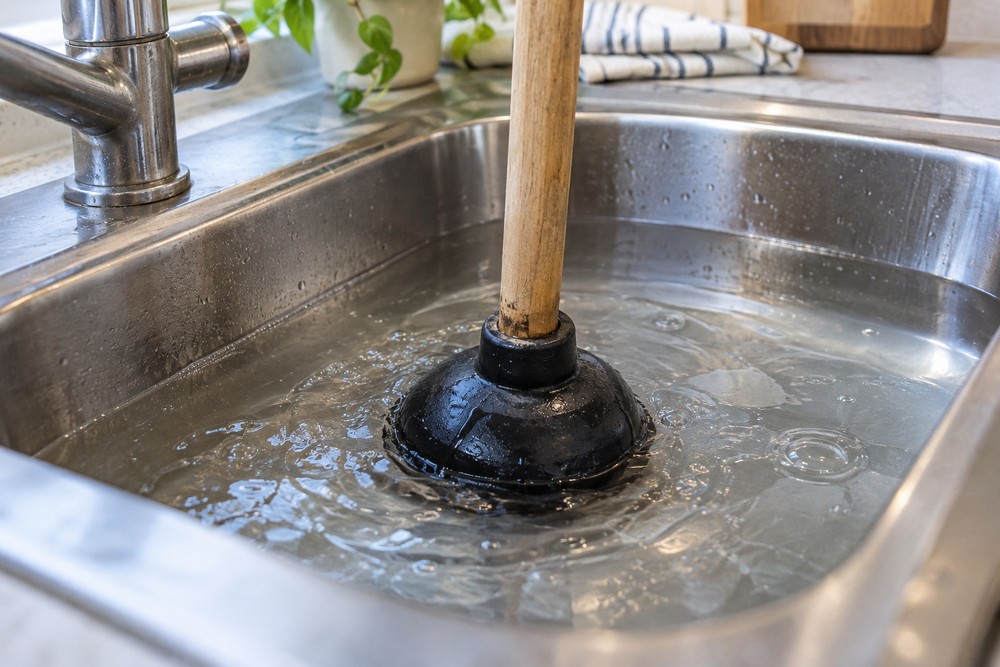
Plungers are exceptionally versatile tools that work on sinks and showers just as effectively as they do on toilets. Rather than using harsh chemicals, a simple cup plunger utilizes dynamic water pressure to dislodge settled matter.
To plunge a sink or shower basin properly, position the rubber suction cup squarely over the drain opening to create a tight perimeter seal. When working on a bathroom sink, you must cover the small overflow opening near the upper rim with a damp washcloth or a piece of heavy tape; leaving this vent open allows pressure to escape into the room instead of pushing through the clog. Add roughly two inches of standing water to cover the lip of the cup, then push and pull the wooden handle rhythmically for fifteen strokes. Break the seal sharply on the final pull. The rapid changes in hydraulic pressure break the obstruction apart, allowing water to flush the remnants through the trap.
Thermal and Biological Maintenance Methods
Once major obstructions have been removed mechanically, ongoing maintenance prevents new buildup from forming on the pipe walls.
Hot Water Thermal Flushing
For metal kitchen lines burdened with greasy buildup, thermal flushing offers an easy, chemical-free maintenance habit. Bring a large kettle containing a gallon of water to a steady rolling boil. Pour the hot liquid down the metal drain opening in three slow stages, waiting thirty seconds between each pour.
The high heat liquefies greasy deposits and melts stubborn soap scum, allowing the hot stream to carry residue past the trap before it can re-solidify. This method is best reserved for metal drainage systems, as repeated exposure to boiling liquid can soften thin PVC plastic pipes.
Safe Microbial Treatments
To prevent recurring organic sludge throughout your home, biological drain treatments provide a gentle, sustainable solution. These formulas employ live, non-pathogenic bacterial strains and concentrated enzymes that feed on organic wastes.
Unlike corrosive store-bought acids, beneficial bacteria break down hair, cellulose, and soap scum naturally, converting them into harmless water and carbon dioxide. Pour the enzymatic liquid into your drains right before going to bed, giving the microbes hours to work along the pipe walls without being washed away by running taps.
Safeguarding Your Drainage Lines Long-Term
Consistent care and thoughtful waste disposal keep your plumbing lines running clear for decades. Installing perforated mesh drain screens over shower and tub openings catches loose hair before it enters the plumbing. In the kitchen, wipe greasy skillets with a paper towel before washing dishes, and never use the sink as a disposal chute for fibrous food scraps.
Whenever persistent backups resist basic home tools or multiple fixtures back up simultaneously, an issue may be lurking deeper inside the underground sewer lateral. Knowing when to put down hand tools and schedule an inspection for plumbing in Layton ensures hidden main line blockages are identified before catastrophic basement flooding occurs. Taking a preventative, chemical-free approach to routine drain care protects your piping, saves money on unexpected repairs, and keeps your entire household functioning smoothly.