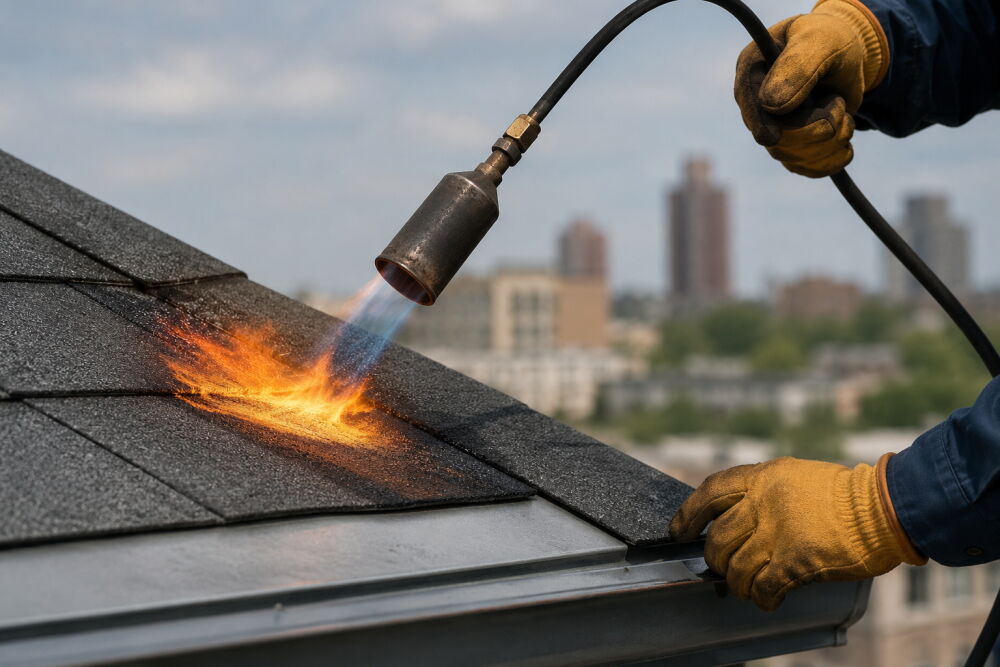
Fire resistance ratings shape the safety plans used by roofing companies and contractors across Arkansas. Property owners expect materials that meet strict fire safety standards, especially where protecting buildings and occupants is a priority.
Local building codes require roofing systems that meet established fire rating standards to help satisfy insurance requirements and protect long-term investments. Choosing certified roofing systems also helps reduce the risk of costly corrections following inspections.
The top standard, UL Class A, represents the highest level of fire resistance available for many roofing systems and remains an important benchmark for performance and durability.
Importance of UL Class A Certifications
Working with commercial roofing contractors in Arkansas who understand UL Class A certifications helps ensure roofing systems meet recognized fire resistance standards while supporting long-term building protection.
UL Class A certifications play an important role for Arkansas roofing contractors focused on fire resistance. These certifications demonstrate that roofing materials provide the highest level of protection against flame spread and heat exposure based on testing established by Underwriters Laboratories (UL).
Class A-rated roofing materials are designed to perform well when exposed to embers, radiant heat, and direct flame, making them an excellent choice for commercial buildings and many residential applications.
Although the term “Class A” appears in other fire safety products, UL Class A roofing specifically refers to the fire performance of roofing assemblies. Selecting certified roofing systems helps support code compliance while improving overall property protection.
Ultimately, choosing contractors who prioritize these standards helps reduce fire-related risks while providing greater confidence for property owners and facility managers.
Best Roofing Materials for Fire Safety
Choosing the best roofing materials for fire safety helps protect Arkansas homes and commercial buildings while supporting long-term roof performance.
- Non-Combustible Metal Roofing: Metal roofing provides outstanding fire resistance because it does not readily ignite and helps reduce the spread of embers.
- Clay and Concrete Tile Roofs: Clay and concrete tiles are non-combustible materials that offer excellent resistance to fire exposure while maintaining long-term durability.
- Class A Asphalt Shingles: Asphalt shingles that have earned a verified UL Class A rating provide enhanced fire protection when properly installed as part of a complete roofing system.
- Stone-Coated Steel Systems: Stone-coated steel combines the durability of metal roofing with attractive aesthetics while maintaining Class A fire performance.
- Multi-Layer Roofing Assemblies: Roofing systems that incorporate fire-rated decking, underlayment, and approved components can further improve overall fire resistance.
Impact of Local Building Codes
Local building codes establish the minimum fire resistance requirements for roofing systems throughout Arkansas, making compliance essential for every project.
Many jurisdictions require roofing systems that meet UL 790 or ASTM E108 testing standards to verify resistance to flame spread and ember exposure. Depending on the building type and location, Class A roofing systems may be required.
Proper installation is equally important because even high-quality materials may not perform as intended if installed incorrectly.
Contractors should remain current with building code updates because local requirements influence inspections, permitting, and project approvals throughout Arkansas.
Meeting these standards helps protect property owners while supporting safe, code-compliant roofing installations.
Benefits for Arkansas Commercial Roofers
Understanding fire resistance ratings provides important advantages for commercial roofing professionals throughout Arkansas.
- Safer Job Sites: Properly installed fire-rated roofing systems help reduce fire risks during construction and throughout the roof’s service life.
- Improved Code Compliance: Following recognized building codes helps minimize project delays and supports successful inspections.
- Greater Professional Credibility: Demonstrating expertise in fire-rated roofing systems builds confidence with property managers, business owners, and facility directors.
Key Fire Ratings Required in Arkansas
Arkansas building codes require roofing contractors to install roofing systems that meet applicable fire testing standards. Most projects reference Class A, Class B, or Class C fire classifications based on building requirements.
Class A provides the highest level of fire resistance and is commonly specified for commercial buildings, healthcare facilities, schools, and many multifamily properties.
Some residential projects may permit other classifications depending on occupancy, building design, and local code requirements.
Roofing contractors should always verify manufacturer documentation and ensure roofing assemblies satisfy current code requirements before installation.
Insurance Implications of Fire Ratings
Fire resistance ratings can also influence insurance requirements for Arkansas property owners.
- Lower Premium Potential: Some insurers may offer more favorable rates for buildings protected with higher-rated roofing systems.
- Coverage Requirements: Certain policies require minimum fire-rated roofing assemblies before providing full coverage.
- Claims Support: Roofing systems that meet recognized fire standards may simplify documentation during the claims process following fire-related damage.
Maintaining Compliance on Large Projects
Maintaining compliance on large commercial roofing projects requires careful documentation from planning through final inspection.
Contractors should verify approved roofing assemblies, maintain installation records, and document inspections throughout the project. Careful quality control helps prevent delays while supporting code compliance.
Staying informed about updates to fire safety standards also helps ensure roofing systems continue meeting current building requirements as codes evolve.
Selecting roofing materials with appropriate fire resistance ratings helps protect both people and property throughout Arkansas. Fire-rated roofing systems also support building code compliance, insurance requirements, and long-term roof performance.
Platinum Roofing provides Residential Roofing Services and Commercial Roofing Services throughout Arkansas using roofing systems that meet applicable building standards and project requirements. If you would like to evaluate your current roof or discuss fire-rated roofing options, schedule a Free Roof Inspection in Arkansas with our experienced team.