A clogged sink or slow shower drain is frustrating, but recurring drainage problems throughout a home can point to something more serious. When several fixtures begin backing up, sewage odors appear, or the same drain problems return shortly after being cleared, the issue may be located in the home’s main sewer line.
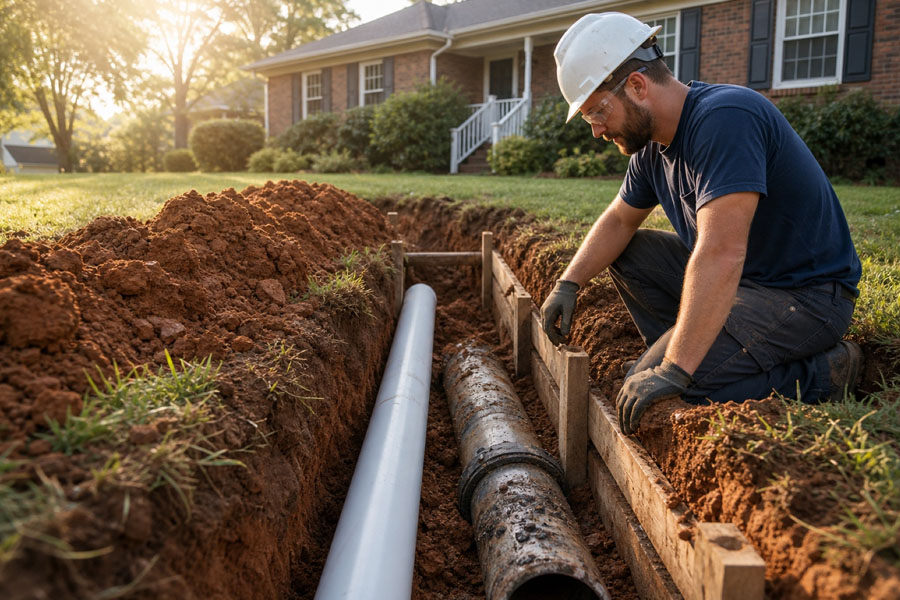
For homeowners, professional sewer line repair in Northern Kentucky can address the underlying cause of recurring backups instead of repeatedly treating the symptoms. Whether the problem involves damaged sewer pipes, root intrusion, deterioration, shifting soil, or a significant obstruction, identifying the condition of the main sewer line is an important step toward restoring reliable drainage.
Understanding the difference between an ordinary drain clog and a sewer line problem can also help homeowners know when professional evaluation is appropriate.
Why Recurring Backups Can Indicate a Main Sewer Line Problem
An occasional clogged drain usually affects one fixture. A blockage in a bathroom sink, for example, may simply involve hair or debris trapped near that particular drain.
Main-line problems often behave differently.
Because the sewer line carries wastewater away from multiple fixtures, a restriction or damaged section can affect plumbing throughout the house. Homeowners may notice toilets, showers, sinks, or floor drains experiencing problems around the same time.
Common warning signs can include:
- Multiple slow drains
- Toilets that frequently clog or gurgle
- Water backing up into tubs or showers
- Sewage odors inside or outside the home
- Recurring drain backups after previous cleaning
- Unusual wet areas in the yard
- Wastewater appearing around lower-level drains
When several of these symptoms happen together, continuing to clear individual drains may not solve the actual problem.
A professional sewer line evaluation can help determine what is interfering with wastewater flow and whether repair is necessary.
What Causes Sewer Line Problems in Northern Kentucky Homes?
Sewer lines can develop problems for several reasons, and the cause isn’t always obvious from inside the home.
Northern Kentucky includes a combination of older communities, established neighborhoods, newer developments, and properties with mature landscaping. Sewer systems can therefore vary considerably from one house to another.
Aging or Deteriorated Sewer Pipes
Older sewer pipes can weaken over time.
Depending on the material and age of the plumbing system, pipes may develop cracks, corrosion, deteriorated joints, or structural failure. A damaged pipe can restrict wastewater movement and create locations where debris collects.
Minor deterioration may initially cause occasional problems before eventually developing into recurring backups.
Tree Root Intrusion
Tree roots naturally grow toward sources of moisture.
If a sewer pipe has a small crack or opening around a joint, roots may find their way inside. Once roots enter the line, they can continue growing and gradually restrict wastewater flow.
Removing the roots may temporarily restore drainage, but if the damaged section of pipe remains open, the problem can return. Proper sewer line repair addresses the pipe condition responsible for allowing root intrusion in the first place.
Shifting or Settling Soil
Underground plumbing is affected by the soil surrounding it.
Over time, settling or soil movement can place pressure on sewer pipes. Sections can shift, separate, sag, or develop areas where wastewater no longer flows properly.
Northern Kentucky’s changing weather and seasonal moisture conditions can also contribute to movement around underground infrastructure.
Severe Blockages
Not every main sewer problem means the pipe itself is broken.
Grease, debris, inappropriate items flushed into the plumbing system, or accumulated buildup can create significant restrictions in a sewer line.
Professional diagnosis helps determine whether the problem requires cleaning, repair, or a combination of services.
Why Repeated Drain Cleaning May Not Solve the Problem
Drain cleaning can be extremely effective when the underlying problem is a blockage.
However, homeowners should become suspicious when the same backup returns repeatedly.
If a sewer line contains a cracked section, root intrusion, collapsed pipe, or significant structural defect, removing the immediate obstruction doesn’t necessarily correct the condition allowing the problem to develop.
For example, a plumber may successfully clear roots from a line and restore wastewater flow. But if the roots entered through a damaged joint, additional roots may eventually return.
That is why recurring sewer problems often require investigation rather than another temporary fix.
The objective should be to identify why the line keeps backing up, not simply get the water moving again.
Professional Sewer Line Diagnosis Helps Identify the Actual Problem
One of the biggest advantages of working with a professional plumber is determining what is happening underground before deciding how to correct it.
Modern plumbing professionals may use sewer camera inspections and other diagnostic methods to evaluate conditions inside the line.
A camera inspection can potentially reveal:
- Cracks
- Root intrusion
- Heavy buildup
- Pipe separation
- Collapsed sections
- Foreign objects
- Areas where the line has shifted or deteriorated
This information helps homeowners make more informed decisions.
Instead of automatically assuming an entire sewer line needs to be replaced, a plumber can determine whether the problem is isolated to a particular section or involves a larger portion of the system.
How Proper Sewer Line Repair Helps Prevent Recurring Backups
The primary goal of sewer line repair is restoring a dependable path for wastewater to leave the home.
When the source of the problem is properly identified and corrected, homeowners may experience several long-term benefits.
More Reliable Drainage
Repairing damaged or compromised sewer pipes helps wastewater move through the plumbing system as intended.
That can reduce repeated backups, slow drains, gurgling toilets, and other symptoms associated with restricted main-line flow.
Reduced Risk of Wastewater Damage
A severe sewer backup can send contaminated wastewater into bathrooms, basements, utility rooms, or other areas of the home.
Addressing an existing sewer line problem before another major backup occurs can help reduce the potential for property damage and difficult cleanup.
Fewer Repeated Service Calls
Repeatedly clearing the same sewer blockage can become frustrating and expensive.
When structural pipe damage is contributing to recurring problems, properly repairing the affected section may provide a more durable solution than continuing to address individual backups.
Better Understanding of the Plumbing System
A professional evaluation gives homeowners valuable information about the condition of their underground plumbing.
Even when immediate replacement isn’t necessary, understanding the condition of an aging sewer system can help homeowners plan for future maintenance or repairs.
Does Sewer Line Repair Always Mean Replacing the Entire Pipe?
No.
The appropriate repair depends on where the damage is located, how extensive it is, and the overall condition of the sewer line.
Some problems may involve a relatively small section of pipe. Others may affect several areas or indicate that an older sewer line has reached the point where more substantial work makes sense.
The important factor is proper diagnosis.
Homeowners should be cautious about assuming that either the cheapest temporary fix or the most extensive replacement is automatically the right option. A qualified plumbing professional should evaluate the line and recommend a solution based on its actual condition.
What Northern Kentucky Homeowners Should Do When a Sewer Backup Occurs
When wastewater begins backing up through multiple drains, homeowners should avoid continuing to run water unnecessarily.
Every additional toilet flush, shower, dishwasher cycle, or load of laundry sends more water into a drainage system that may already be unable to handle it.
If possible:
- Limit water use throughout the home.
- Avoid using affected plumbing fixtures.
- Keep people and pets away from sewage-contaminated areas.
- Contact a plumbing professional for an evaluation.
- Have the underlying cause diagnosed if backups have happened repeatedly.
Homeowners experiencing an active sewage backup should treat the situation differently from an ordinary slow drain.
When Should You Consider Professional Sewer Line Repair?
Professional evaluation is particularly important when plumbing problems are persistent rather than isolated.
Consider having the main sewer line inspected when:
- Several drains are slow at the same time.
- Backups continue returning after drain cleaning.
- Sewage enters tubs, showers, or floor drains.
- Tree roots have previously been found in the sewer line.
- Gurgling occurs throughout multiple plumbing fixtures.
- Unexplained sewage odors are present.
- Previous inspections identified damaged sewer piping.
The sooner the actual cause is understood, the easier it becomes to determine an appropriate solution.
Frequently Asked Questions About Sewer Line Repair in Northern Kentucky
How do I know whether I have a clogged drain or a sewer line problem?
A single clogged fixture usually suggests a localized drain problem. When multiple drains, toilets, or lower-level fixtures experience backups or slow drainage at the same time, the main sewer line should be evaluated.
Why does my sewer line keep backing up?
Recurring backups can be caused by root intrusion, pipe damage, severe buildup, shifting sections of pipe, deterioration, or another restriction affecting wastewater flow. A professional inspection can help determine the exact cause.
Can tree roots damage sewer pipes?
Yes. Roots can enter cracks, loose joints, or other openings in underground sewer pipes. Once inside, they may continue growing and restrict wastewater flow.
Can a damaged sewer line be repaired without replacing the entire line?
Sometimes. If damage is limited to a specific section, a targeted repair may be possible. The condition, location, material, and accessibility of the pipe all influence the appropriate repair method.
Is sewer line repair different from drain cleaning?
Yes. Drain cleaning primarily removes blockages and buildup. Sewer line repair addresses physical problems with the pipe itself, such as cracks, separation, deterioration, or collapsed sections. Some situations may require both services.
Should I keep using my plumbing during a sewer backup?
It’s generally best to reduce water use until the problem has been evaluated. Additional water entering a restricted sewer line can worsen the backup.
Are sewer line problems common in older Northern Kentucky homes?
Older properties may have sewer piping that has experienced decades of wear, soil movement, root exposure, and changing ground conditions. Age alone doesn’t mean a sewer line needs replacement, but recurring problems should be professionally investigated.
Address the Cause Instead of Repeatedly Treating the Symptoms
Recurring sewer backups shouldn’t become a normal part of homeownership.
When backups continue returning, multiple fixtures are affected, or damaged sewer pipes are suspected, professional sewer line repair in Northern Kentucky can help identify and correct the underlying main-line problem.
The most effective approach begins with understanding what is happening inside the sewer line. Proper diagnosis allows homeowners to distinguish between a removable blockage and a structural plumbing issue that requires repair.
For Northern Kentucky homeowners dealing with recurring backups, root intrusion, damaged sewer pipes, or other main-line concerns, working with an experienced local plumbing professional can provide a clearer path toward reliable drainage and a longer-lasting solution.