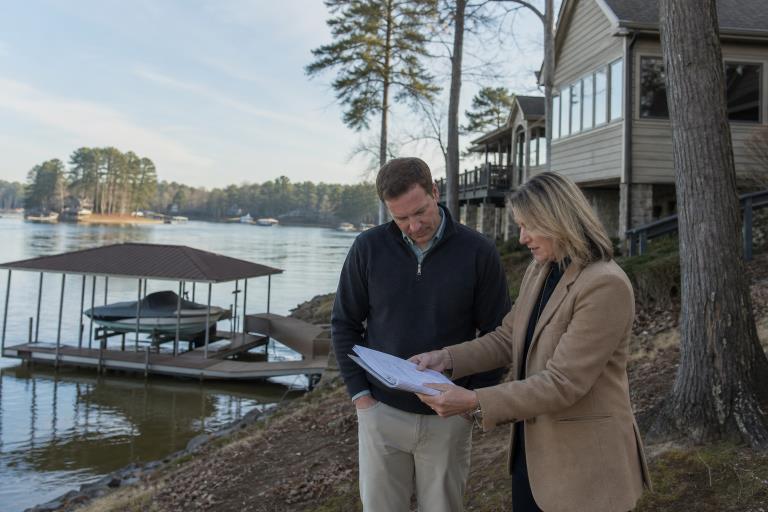
Morning water views, porch coffee, boat days, and a backyard that leads toward the lake can make a Lake Lanier home feel like an easy choice. But the view is only the beginning. A smart purchase depends on knowing exactly what comes with the property, what requires ongoing care, and whether the location supports the way you actually plan to live. For buyers comparing homes around Gainesville, Buford, Cumming, Dawsonville, or Flowery Branch, local expertise can help turn broad questions into useful due diligence. Lake Lanier real estate agents at Living On Lake Lanier focus on buying and selling homes around the lake, with information on lake communities, property searches, and the practical details that can affect waterfront ownership, including docks, shoreline concerns, and septic systems. That kind of area-specific perspective is useful, but every buyer should still verify documents, permits, and property conditions independently.
Define What “Lakefront” Really Means
Listing language can be appealing, but it is not a substitute for the deed, survey, title work, and association documents. “Lakefront” may describe several very different ownership and access situations.
Common Types of Water Access
- Direct waterfront: The parcel borders the water or a shoreline area, subject to the property’s actual boundary and any public-land rules.
- Water view: The home overlooks the lake but may not include a route to the shoreline or water-use rights.
- Shared lake access: Owners use a common path, dock, ramp, or amenity with neighbors or an association.
- Deeded access: The property has a recorded right to use a designated access point or area.
- Community marina access: The neighborhood may offer slips or marina amenities, often subject to separate fees, availability, and rules.
Confirm the exact frontage, easements, access roads, shared paths, and dock rights before making an offer. A home close to the shoreline does not automatically provide private swimming, boating, or dock privileges.
Check Shoreline Rules and Dock Permissions
On Lake Lanier, shoreline improvements may require rules beyond those for ordinary residential construction. Docks, walkways, steps, shoreline stabilization, retaining features, and vegetation work may need approval. Review the Lake Lanier Shoreline Management guidance early, then confirm the current requirements directly with the appropriate agency. Ask the seller for permits, approvals, drawings, and maintenance records for every waterfront structure. Compare that paperwork with what is physically present. Also, ask whether existing permissions transfer after closing and whether future changes, such as a dock modification or shoreline repair, could require a new application.
Inspect More Than the House
A standard home inspection remains essential, covering the roof, foundation, electrical system, plumbing, HVAC equipment, and visible structural concerns. Lakefront property may also justify more specialized evaluations.
- Dock, boat lift, and gangway condition
- Seawalls, retaining walls, stairs, and shoreline supports
- Drainage patterns, slope stability, erosion, and exposed roots
- Well water quality, septic tank condition, drain field performance, and service records
- Moisture, mold, crawl-space ventilation, and wood deterioration
Water movement and runoff can worsen a small drainage or shoreline problem over time. Obtain repair invoices, prior inspection reports, and maintenance schedules to understand the property’s history and the likely next steps.
Review Flood Risk and Insurance Early
Insurance is part of the true cost of a lake home, not an afterthought. Before contingencies expire, request homeowners and flood insurance quotes for the specific address. Review prior claims when available, deductibles, coverage limits, and whether docks or other waterfront structures have separate limits or exclusions. Use the FEMA Map Service Center to begin reviewing official flood-hazard information, then discuss the address with an insurance professional and lender. Conditions and insurance requirements can differ between nearby parcels, so neighborhood-level assumptions are not enough.
Confirm Utilities, Access, and Seasonal Conditions
Find out whether the home uses public water and sewer, a private well, a septic system, or a combination. Test well water where appropriate, inspect septic components, and ask for pumping and repair records. Also assess the driveway grade, private road maintenance responsibilities, emergency access, trash pickup, internet options, and travel during heavy rain or winter weather. Visit more than once, ideally at different times and in different conditions. If boating is central to your plan, view the property from the water and ask about depth near the dock, low-water access, wake exposure, underwater hazards, and traffic in the cove. A quiet weekday showing may not reflect a busy summer weekend.
Calculate the Full Cost of Ownership
The purchase price and mortgage payment are only part of the budget. Build an annual ownership estimate that includes:
- Property taxes, homeowners’ insurance, and possible flood insurance
- Dock, lift, shoreline, tree-care, and storm-cleanup expenses
- Well, septic, road, or homeowners association costs
- Boat storage, fuel, repairs, registration, and insurance
- Seasonal maintenance, security, and winterization for a second home
Set aside a separate reserve for major repairs. Predictable annual expenses matter, but so do less frequent items such as a retaining-wall repair, dock work, drainage correction, or septic replacement.
Match the Property to Your Intended Lifestyle
A full-time residence needs dependable daily access, practical storage, strong internet service, and proximity to essentials. A weekend retreat may place more value on easy lock-and-leave maintenance, guest space, and marina access. If future rental income is part of the plan, review county, city, and association rules before relying on it. Consider privacy, nearby homes, sun exposure, outdoor living space, and boat activity. For example, a buyer seeking a quiet escape may be disappointed by a high-traffic cove if they visit only on a calm weekday. The right home should fit the rhythm of your preferred lake life, not just a listing photo.
A Simple Pre-Offer Checklist
- Confirm the exact type of water access and all associated rights.
- Review the survey, deed, title report, easements, and association rules.
- Request dock, shoreline, and improvement permits.
- Order general and specialty inspections as needed.
- Check flood information and obtain insurance quotes.
- Review utilities, septic or well records, road obligations, and access.
- Visit at different times and assess water conditions firsthand.
- Estimate annual operating costs and maintain a repair reserve.
Buy the Lake Life That Fits
Lake Lanier ownership can bring recreation, memorable views, and a strong sense of place in North Georgia. The best decision, however, comes from looking beyond the shoreline. Buyers who verify access, inspect the entire property, understand permits and insurance, and plan for long-term upkeep can move forward with greater confidence and enjoy a lake home that truly fits their goals.
Conclusion
A Lake Lanier home can offer beautiful views, boating, outdoor living, and a unique North Georgia lifestyle, but the view should never be the only consideration. Buyers should carefully verify water access, dock rights, permits, shoreline conditions, utilities, insurance, and ongoing maintenance costs. By matching these practical details with their lifestyle and budget, buyers can choose a lake property that remains enjoyable, manageable, and valuable long after closing.