Why Furniture Decisions Matter More Than Most Owners Expect
Menus are seen first, lights second, and chairs three minutes after sitting down. Your dining memory is ruined if that chair seems like a medieval torture device. Thus, restaurant furniture is never just furniture. Staff carry trays and grin while using it as a silent host, traffic manager, brand ambassador, and everyday workout equipment.
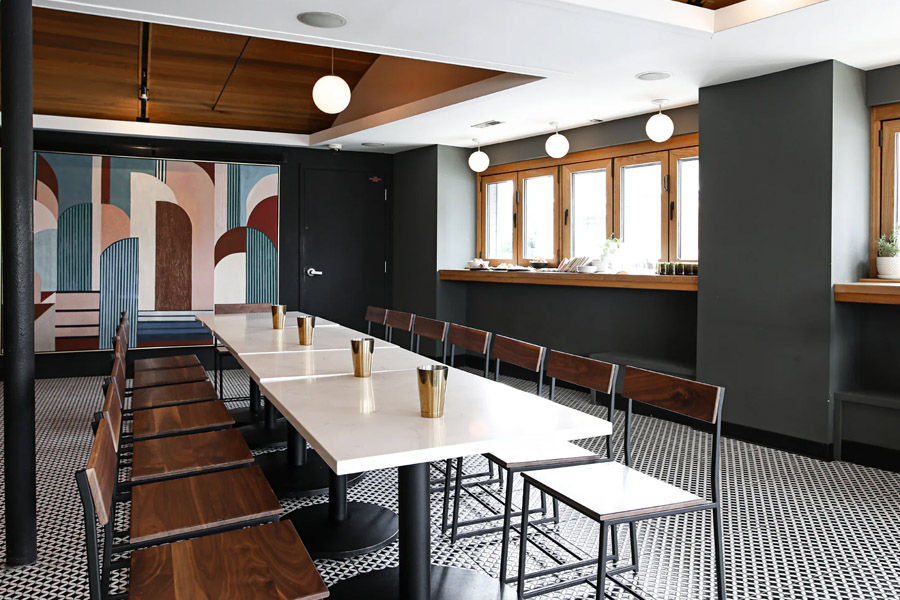
Every commercial table and seat has a purpose. A two-top beside the window should be pleasant, not crowded. Banquettes should entice guests in, not imprison them like bread in a toaster. Bar stools should stimulate discussion without making customers feel like flamingos on one leg. Good furniture affects visitor stay, server movement, and room performance during busy hours.
An odd layout and uncomfortable seating can make a restaurant wobble like a cheap café table, despite its exquisite finishes and sophisticated design. Smart furniture supports service rhythm. They bring order without stiffening the room. Because they work so effectively, the greatest elements often dissolve into the experience.
Matching Furniture to the Personality of the Venue
Different hospitality spaces demand different furnishings. A fast-casual lunch place has different demands than an elaborate dining room where diners debate whether to eat another scoop of dessert. Furniture should reflect the venue’s appearance, business speed, purpose, and personality.
In a busy coffee shop, tables must revolve rapidly. Seating should be small, sturdy, and easy to clean if an espresso spills. Chairs in a family restaurant must accommodate various bodies, emotions, and ketchup mishaps. Because visitors stay longer and anticipate a more sophisticated experience, comfort matters more in upmarket venues.
Hotel dining rooms complicate matters. They require furnishings that can accommodate business meetings, individual dining, and festive throngs from breakfast until late. Sun, rain, wind, and the occasional napkin trying to escape into the parking lot make outdoor patios exciting. That means real-world conditions must guide material, weight, and maintenance choices.
The point is simple. Furniture should fit the behavior of the room. When it does, the entire space feels intentional rather than randomly assembled from a warehouse of hopeful chairs.
Comfort Is Not a Luxury in Commercial Dining
Comfort is sometimes overlooked in restaurant design as a visual benefit rather than a commercial necessity. Guest behavior is directly affected by comfort. People relax, engage, and stay longer when comfortable. They notice every minute whether they’re uncomfortably situated or crammed into a layout intended by someone who hates elbows.
Comfort begins with proportion. Space, depth, back support, and seat/table height important. A chair might look great in a catalog but feel like a folded apology in person. Booths can provide seclusion and comfort if they are well-cushioned and large enough to enter and exit without a side shuffle.
Comfort impacts accessibility. Better restaurants offer seats for varied demands and body shapes. Different guests desire different experiences. Some want strong support, some a spacious booth, and others easy-to-reach tables. Flexible furniture layout makes a restaurant more inviting without seeming clinical.
Acoustic comfort is another factor. Upholstered furniture may reduce noise in a noisy area, making discussions easier and decreasing the cafeteria impression of silverware clanging like cymbals. When furniture fosters physical and sensory comfort, the dining room becomes a place to return to rather than survive.
Materials That Can Survive Real Restaurant Life
Few understand how tough restaurant furniture lives. It handles spills, scrapes, dragging, stacking, sanitizing, heat, wetness, crumbs, impact, and the inexplicable force that makes one table leg uneven at the worst possible time. Under such load, residential furniture generally quits. Commercial furniture must be battle-ready.
Wood’s warmth and character make it attractive, but it must be polished and maintained. Metal is strong and clean, perfect for modern or industrial interiors. Laminate surfaces are durable and easy to maintain, making them useful for high-traffic areas. Choose upholstery with stain resistance, longevity, and cleaning in mind. If one splash of sauce turns the seat into a crime scene, luxury is insufficient.
Construction quality is as important as materials. Wobble, squeak, and furniture despair are prevented by strong joints, sturdy bases, reinforced corners, and lasting coatings. Tables must level. Chairs must be stable. Booths undergo numerous slides, changes, and dramatic escapes after uncomfortable first dates.
Selecting the correct material mix aids maintenance scheduling. Some surfaces are better at constant cleaning. Some finishes age well. Others appear fatigued quickly than a Christmas brunch chef. Long-lasting options decrease replacement and keep the room pristine.
Design That Works for Staff as Well as Guests
People use furniture every day, not just guests. It is continually dealt with by staff while moving swiftly, balancing plates, and tackling five problems at once. A gorgeous dining area that annoys servers is poorly conceived. Just gorgeous sabotage.
Table space greatly impacts service throughput. Tight aisles make every journey difficult. Rearranging the room becomes an inadvertent strength-training session if chairs are heavy. Too restrictive table sizes make hosting larger gatherings a daily jigsaw with too many missing pieces.
Furniture should facilitate flexibility where feasible. Modular tables, lightweight yet durable seats, and layouts that allow fast alterations may make operations significantly easier. This important during peak service, private events, and seasonal fluctuations. A place that can adjust is more helpful than one that looks ideal solely in staged images shot before actual humans arrive.
Carefully selecting furnishings makes cleaning simpler. Wipe-clean surfaces, debris-free bases, and wear-resistant seats save time. These small gains build up. Over weeks and months, they lessen work strain and sharpen the space.
Custom Pieces Can Solve Awkward Problems Beautifully
Standard furniture works well in many spaces, but some restaurants have quirks that demand a more tailored approach. Strange corners, narrow footprints, unusual service formats, and highly specific branding goals can make custom furniture a smart investment rather than an indulgence.
A handmade banquette can turn a tough wall into stylish seats. A large community table may anchor a space without taking over. Personalized finishes, textiles, and materials may make the restaurant seem unique. Though they may not evaluate such decisions, guests sense the difference.
Operators who must balance look and practicality benefit from customization. Maybe a patio needs stronger structures for wind. Coffee shops may require small tables that fit computers and lunch. Perhaps a dining area wants a unique style without losing stackability or cleanability. Custom alternatives provide beautiful solutions to tensions.
Naturally, unique furniture takes forethought. Longer lead times need cautious decision-making. Custom elements may improve layout, branding, and performance when done effectively. A substantial return for something frequently dismissed as cosmetic.
Long Term Value Beats Cheap Shortcuts
It is tempting to cut costs on furniture, especially during an opening or renovation when the budget is already sweating through its shirt. But cheap furniture has a nasty habit of becoming expensive later. Repairs, replacements, guest discomfort, and a tired-looking space all carry real costs.
Value stems from reliability. Furniture that retains its structure, quality, and comfort over time is worth more than a budget piece that falls apart after a season of heavy usage. The value equation should include maintenance. Easy-to-clean materials, replaceable seat pads, and durable finishes decrease costs and effort.
Consistency matters too. When pieces wear out unevenly and get replaced one by one with near matches, the room can slowly start to look like a support group for abandoned chairs. Investing in quality from the beginning helps preserve a unified appearance and a professional atmosphere.
Routine care extends the payoff. Tightening hardware, inspecting joints, addressing scratches early, and cleaning with appropriate products all help furniture last longer. These habits are not glamorous, but neither is apologizing to a guest whose chair suddenly sounds like a haunted attic.
FAQ
What type of furniture is best for a high traffic restaurant?
Furniture for high traffic restaurants should be durable, easy to clean, and stable under constant use. Metal frames, commercial-grade laminates, and reinforced seating often perform well because they handle wear without becoming shabby too quickly.
How important is comfort compared to style?
Comfort is extremely important because it affects how guests experience the meal and the space. Style matters too, but the best results come when the furniture looks appealing and feels good to use for the length of a typical visit.
Is custom restaurant furniture worth the cost?
Custom furniture can be worth the cost when a space has unusual dimensions, specific branding goals, or operational needs that standard options cannot solve well. It often improves both functionality and visual identity when planned carefully.
What should owners consider for outdoor restaurant seating?
Outdoor seating should be chosen for weather resistance, easy maintenance, and enough weight or stability to handle wind and heavy use. Materials must hold up against sun, moisture, and frequent cleaning without losing their appearance too quickly.
How can furniture affect restaurant operations?
Furniture affects traffic flow, table turnover, cleaning speed, and staff efficiency. Well-chosen pieces make service smoother, reduce daily friction, and help the dining room stay organized and comfortable during busy periods.