Construction safety violations do not always lead to immediate accidents. Sometimes, a damaged barrier, blocked walkway, or missing warning sign remains unnoticed for days. Workers continue their tasks, and the problem becomes part of the normal working environment. However, an unsafe condition can become more dangerous as construction activities change.
Ignoring safety violations can affect workers, delay projects, and create problems during inspections. Even small issues deserve attention because they may point to larger weaknesses in site management. Understanding what happens when violations remain unresolved can help construction teams address problems before they become serious.
Small Violations Can Lead to Bigger Problems
Many safety concerns begin with something that appears minor. A loose cable crosses a walkway, materials are stored near an exit, or temporary lighting stops working.
Workers may step around these problems without reporting them. Over time, the unsafe condition becomes familiar, making people less likely to notice the danger.
A blocked walkway, for example, may force workers to carry heavy materials through an area used by moving equipment. What started as poor housekeeping can create another hazard.
Repeated Problems Need Attention
When the same violation appears several times, simply correcting the visible issue may not be enough.
Supervisors should investigate why the problem keeps returning. There may be unclear instructions, limited storage space, or poor coordination between contractors.
Finding the underlying cause helps prevent the same hazard from developing again.
Workers Face Greater Risks
The most serious consequence of unresolved violations is the increased possibility of injuries.
Construction workers depend on safe access routes, properly maintained equipment, and protective measures to complete their tasks.
When these conditions are missing, even routine work can become dangerous.
Consider a damaged ladder that remains available for use. One worker may notice the defect and avoid it, but another worker may not recognise the problem.
The longer unsafe equipment remains on-site, the greater the chance that someone will use it.
Unsafe Conditions Affect Worker Confidence
Workers may also become concerned when reported hazards are repeatedly ignored.
If employees believe that supervisors will not address safety problems, they may stop reporting them.
This creates a workplace where important warnings remain unspoken.
Responding to concerns promptly shows workers that reporting hazards is a normal part of maintaining safe conditions.
Unresolved Violations Can Interrupt Construction Work
Construction projects depend on schedules, coordinated activities, and available equipment.
An unresolved safety issue can interfere with these arrangements, particularly when the problem affects an active work area.
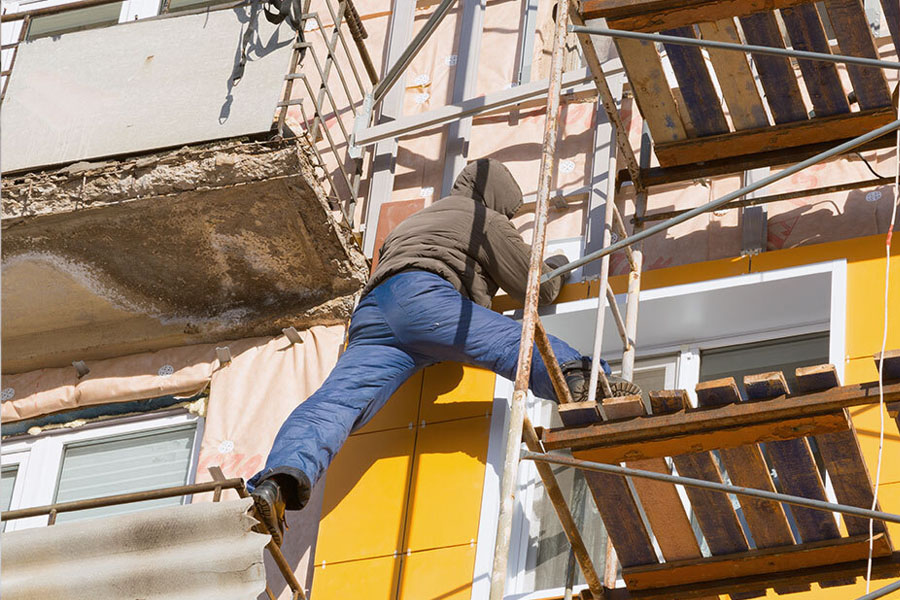
For example, damaged scaffolding may require an area to be closed until the structure is inspected and corrected. Workers assigned to that location may be unable to continue their planned tasks.
Other contractors might also need to adjust their schedules.
Delays Can Affect Several Teams
Construction activities often depend on earlier tasks being completed.
If one crew cannot finish its work because of unsafe conditions, the delay may affect workers scheduled to enter the area later.
Safety violations identified during regulatory inspections can also result in enforcement action, depending on the applicable requirements and circumstances.
Addressing known problems promptly reduces the risk of avoidable interruptions.
Temporary Fixes May Leave Hazards Behind
Not every correction solves the original problem.
A supervisor might move materials away from a blocked entrance, but the same materials may return the next day because no suitable storage area has been assigned.
Similarly, placing a warning sign near damaged equipment does not make the equipment safe to use.
Temporary controls may be necessary while permanent corrections are arranged. However, they should not become substitutes for proper repairs or hazard removal.
Correct the Cause, Not Just the Symptom
A lasting correction starts with understanding why the violation occurred.
If cables repeatedly create tripping hazards, the team may need to change how temporary electrical supplies are routed.
If workers frequently remove barriers, supervisors should examine whether the barriers interfere with necessary access.
The solution should address the actual working conditions rather than simply reminding workers to be careful.
Safety Records Can Reveal Larger Problems
Construction sites often maintain inspection reports, incident records, and documentation of corrective actions.
These records can show whether certain problems happen repeatedly.
For example, several reports of blocked emergency routes may indicate that storage arrangements are no longer suitable for the current construction phase.
Records are most useful when supervisors review them and take action.
Follow Up After Every Correction
A reported violation should not be considered resolved simply because someone has been assigned to address it.
Supervisors need to confirm that the correction has been completed and that the affected area is safe.
Photographs, inspection notes, and documented follow-up checks can support this process.
Regular reviews also help teams identify problems that require changes to site procedures.
When Outside Safety Guidance May Help
Some violations are straightforward to correct. Others involve technical requirements, repeated failures, or disagreements about suitable safety measures.
In these situations, outside guidance may help project teams understand the problem and choose appropriate corrective steps.
For example, a project team dealing with recurring safety concerns may seek guidance from a provider such as Menotti NYC Safety Company while reviewing its inspection practices and site procedures.
Outside support does not replace the responsibilities of contractors, supervisors, or employers.
The purpose is to identify gaps, clarify requirements, and support safer working arrangements.
Know When Work Should Stop
Certain hazards require immediate action rather than further discussion.
Workers should not continue activities where there is an uncontrolled risk of serious injury, such as unstable access equipment or exposed dangerous electrical components.
The affected work should remain stopped until the hazard has been assessed and suitable controls are in place.
Preventing Violations From Returning
Long-term improvement requires more than passing an inspection.
Workers need clear instructions, suitable equipment, and practical ways to report unsafe conditions.
Supervisors should also review how work changes throughout the project.
A correction that works during one construction phase may need adjustment when equipment, contractors, or access routes change.
Regular communication between teams makes it easier to recognise these problems early.
Conclusion
Unresolved construction safety violations can lead to injuries, work interruptions, repeated hazards, and problems during inspections. A condition that appears minor today may become more dangerous as workers and equipment move through the site.
The best response is to investigate reported problems, correct their causes, and verify that the corrections remain in place.
When construction teams treat every reported hazard as something that deserves proper follow-up, they can prevent small problems from developing into more serious incidents.