Gutters Are the Quiet Bodyguards of Your Home
Most homeowners worry more about paint colors, patio furniture, and lawn judgment than gutters. A mistake. Gutters are unsung heroes on the roofing like devoted security guards, removing rainwater from costly items.
Rainwater must go someplace. Without a solid gutter system, water can slide from the roof in thick sheets, crash into flower beds, saturate walls, spray mud on siding, and settle around the foundation like an uninvited visitor. A good gutter system directs rainfall. Get control instead of chaos. Clean drainage and a safer exterior replace puddles. Handling small problems early is what keeps a rental property profitable year after year, and the same diligence applies when it comes to late rent payments in Texas.
Why Water Becomes a Villain So Fast
Water looks innocent enough when it is drifting down from the clouds. It seems peaceful. It sparkles. It makes the trees happy. Then it starts collecting in the wrong places, and suddenly it turns into the most destructive visitor your house has ever hosted.
Uncontrolled runoff can discolor siding, distort trim, wear away paint, and weaken areas. When water gets out of place, it attracts friends. Mold appears. Rot brings bags. Mildew occupies like rent. Thus, gutter performance important. It is not about getting a little rain. It’s about avoiding many wet, costly outcomes.
Your Foundation Likes Dry Boundaries
A solid home foundation doesn’t want to swim. Rainwater from the roof might oversaturate the soil at the home’s base. Shifting, cracking, and settling can cause homeowners to gaze at walls and wonder if that little fracture has always been there.
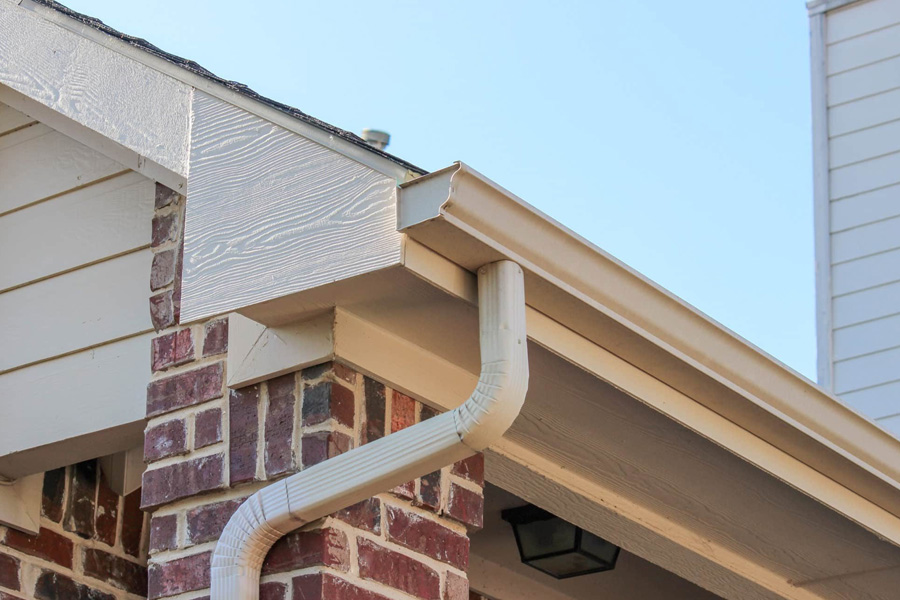
Properly placed gutters move water away from the foundation for safe drainage. This decreases soil stress and prevents rainwater from entering unintended areas. Guttering keeps your house’s feet dry and balance.
Roof Edges Need Backup Too
Roofs take a beating all year. Sun bakes them. Wind rattles them. Rain tests every seam. Gutters help by collecting water at the roof edge before it can pool or back up in vulnerable areas.
Water may overflow or sit in blocked gutters. Fascia boards, soffits, and roofing edges might be affected. A modest drainage issue can lead to week-long repairs if left unchecked. Clear and securely fastened gutters help the roof function without becoming a cascade.
Basements Are Better Without Surprise Lakes
Few home disasters create panic faster than water creeping into a basement. It starts with a damp smell. Then comes the suspicious corner. Then suddenly a cardboard box of holiday decorations is floating like a tiny ship of regret.
Good gutters divert rainfall from the home before it may gather near foundation walls. This does not ensure every lower level stays dry permanently, but it provides your home a better fighting chance. The less water near the foundation, the less it may leak underneath and cause problems.
Landscaping Suffers When Runoff Goes Rogue
Without gutters, rainwater does not politely step around your landscaping. It crashes straight into it. Mulch gets displaced. Soil washes away. Plants get battered. Decorative borders lose their shape. What was once a charming garden bed can quickly look like a raccoon hosted a festival there.
Water is controlled by gutters and downspouts, preserving landscape. Water may flow into safer drainage areas instead of flower beds. That means stronger plants, neater margins, and a yard that appears deliberate rather than sky-damaged.
Siding and Trim Cannot Dodge a Daily Splash Zone
Every rainstorm shouldn’t drench exterior walls. Water continually hits siding, doors, and window trim when gutters overflow or fail to capture runoff. Discoloration, weakening materials, and moisture-related deterioration can steadily deteriorate your home’s exterior.
Good gutters control rainfall like traffic cops. It directs flow and decreases vertical surface wetness. Storm-prone areas need that protection since repetitive exposure may gradually wear away external materials season after season.
Choosing the Right Gutter Material Matters
Gutter materials vary, and picking one is part practicality and part strategy. Its lightweight, rust-resistant, and affordable nature make aluminum desirable. Steel is strong yet requires maintenance. Copper is beautiful and durable, but it costs more.
The climate, housing design, and homeowner maintenance preferences determine the best alternative. Large homes in stormy areas may need different setups than smaller homes with moderate rains. Finding the suitable material is more about matching the system to the property than following trends.
Professional Installation Saves Future Headaches
Hanging gutters is not just a matter of attaching long metal channels and hoping gravity feels cooperative. The slope has to be correct. The fasteners need to hold. The downspouts must send water to useful locations. If any part of the system is off, the whole setup can underperform.
Professional gutter installation ensures optimum pitch and weatherproofing. It also prevents seam leaks, sagging, and downspouts that dump water where you don’t want it. Well-installed systems run quietly. In every storm, a badly fitted one pours, drips, and causes drama.
Regular Cleaning Keeps the Whole System Honest
Leaves, dirt, twigs, and roof muck may clog even the finest gutters. When debris accumulates, water flow slows or stops. Overflow occurs, and the house-protecting gutter acts like an angry decorative fountain.
Routine cleaning restores flow and lets homeowners notice problems early. Small leaks, rust patches, loose brackets, and split joints are easy to fix before they become major issues. Paying for needless water damage and maintenance are both boring. Boring may be lovely.
Heavy Rain Demands a Smarter Drainage Plan
As weather patterns become more unpredictable, homes need drainage systems that can handle intense downpours without folding under pressure. Gutters that are too small, poorly placed, or packed with debris can struggle when the rain really starts coming down.
Thus, size and arrangement matter. Home performance in severe weather can be improved by wider gutters, appropriately located downspouts, and intelligent drainage extensions. When the skies open and the rain hits the roof, a sturdy gutter system becomes essential.
Curb Appeal Improves When Gutters Behave
It is hard for a house to look polished when the gutters are bent, stained, sagging, or dangling like they have given up on life. Clean, well fitted gutters create a sharper roofline and help the home look cared for from the street.
Modern gutter systems may blend in or match the home’s façade with their variety of colors and profiles. Their main purpose is utility, but they also improve attractiveness. Good gutters protect and help a property seem organized.
FAQ
How often should gutters be cleaned?
Most homes benefit from gutter cleaning at least twice a year, usually once in spring and once in fall. Homes surrounded by trees may need more frequent attention because leaves and small branches tend to pile up faster.
What are signs that gutters are not working properly?
Common warning signs include overflowing water during rain, sagging sections, peeling exterior paint, puddles near the foundation, and visible plant growth inside the gutter channel. If a gutter looks like it is trying to become a garden, it is time for service.
Can clogged gutters really damage a house?
Yes, they can. Clogged gutters may cause water to spill over onto siding, collect near the foundation, damage roof edges, and increase the risk of basement moisture problems. A blockage up high can create trouble all the way down below.
Is professional installation worth it?
In many cases, yes. Proper slope, secure mounting, and smart downspout placement all affect performance. Professional installation reduces the chance of drainage mistakes that can lead to leaks, overflow, and long term exterior damage.
What gutter material lasts the longest?
Copper and high quality steel systems can last a very long time when maintained properly, while aluminum remains a popular choice for its balance of durability, affordability, and resistance to rust. The best long term option depends on the home, the climate, and the maintenance plan.
Do gutters help with landscaping protection?
Absolutely. Gutters direct runoff away from flower beds, mulch, and soft soil so heavy rain does not pound the same areas repeatedly. That helps preserve plant health, reduce erosion, and keep the yard from looking like it lost a fight with a waterfall.