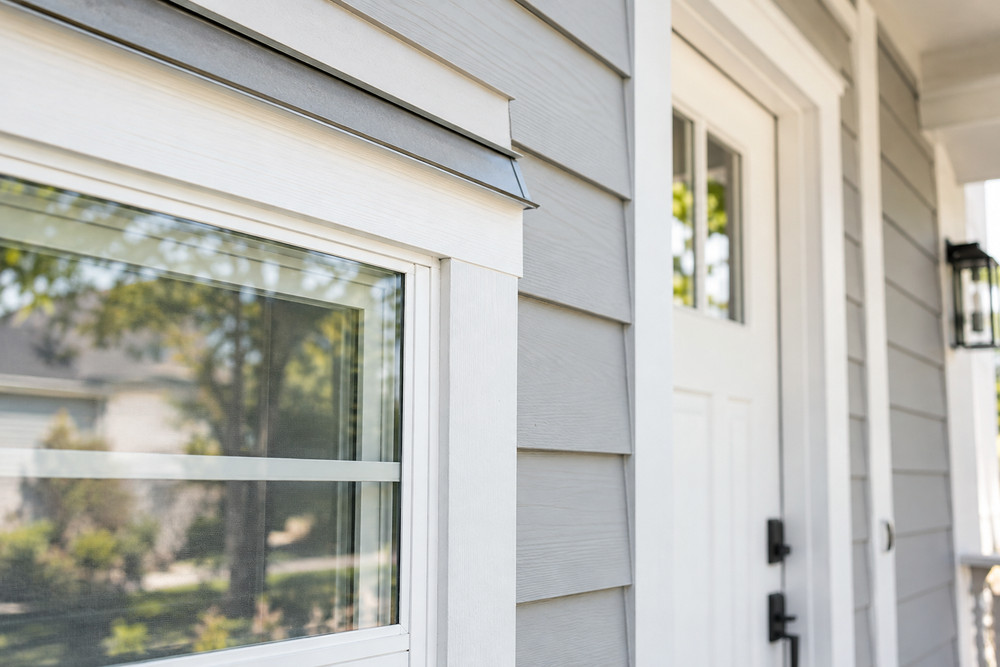
Windows and doors interrupt otherwise continuous exterior walls, creating transition points where several building components meet. These areas must accommodate openings while helping manage water and maintain the exterior surface around frames and trim. Because multiple materials come together within a relatively small space, details around these openings deserve particular attention during exterior maintenance.
A problem near a window or door does not necessarily mean the visible wall covering itself has failed. Trim, joints, flashing details, sealants, and surrounding materials can all influence how the area performs. Understanding these relationships helps homeowners avoid treating a visible symptom without considering where moisture may actually be entering.
Homeowners working with All-Side Roofing & Restoration can include windows and doors when discussing changes noticed across exterior walls. Siding should function as part of a broader wall assembly rather than as an isolated decorative surface. Examining transitions provides valuable context when staining, gaps, movement, or other unusual conditions begin appearing near an opening.
Why Wall Openings Require Different Exterior Details
Large uninterrupted wall areas generally follow a consistent installation pattern. Windows and doors change that pattern because exterior materials must terminate, transition, or connect around their frames. Corners and horizontal edges add further details that need to work together.
These transitions also experience normal building movement and repeated weather exposure. Temperature changes can cause materials to expand and contract, while wind-driven rain may reach joints from several directions. A detail that appears minor can therefore have an important role in the overall assembly.
Homeowners should observe the entire opening rather than concentrating exclusively on one visible gap. The top, sides, lower edge, trim, and adjacent wall material can provide different clues. Comparing these areas makes unusual changes easier to identify.
Water Management Starts Above the Visible Problem
Water appearing near the lower corner of a window may not have entered at that exact location. Moisture can travel behind exterior materials or along building components before becoming visible. This makes assumptions based solely on the final stain or damp area unreliable.
Exterior details above an affected location deserve consideration when the source is unclear. Openings, joints, penetrations, and transitions can influence where water travels. Understanding the route is more useful than repeatedly addressing the place where moisture finally appears.
All-Side Roofing & Restoration can evaluate exterior conditions when the relationship between a visible symptom and its source is uncertain. Siding concerns around openings often require attention to surrounding details rather than one isolated piece. A broader inspection can help establish the appropriate scope before repairs begin.
Trim Creates Important Transition Zones
Exterior trim helps create finished boundaries around many windows and doors. Its appearance may seem primarily decorative, but surrounding joints and connections also form part of the exterior transition. Changes in these areas should not automatically be dismissed as cosmetic.
Look for sections that appear separated, shifted, cracked, or different from comparable openings elsewhere on the home. Repeated gaps or deterioration concentrated around one side can provide useful evidence. Photographs taken periodically can help determine whether the condition is stable.
Compare Similar Openings Around the Property
One window can provide a useful reference for another. If several openings share similar construction, homeowners can compare alignment, joints, and surrounding materials from safe ground-level positions. A noticeable difference may identify an area worth examining more closely.
Comparison does not replace professional assessment because hidden conditions cannot be judged from appearance alone. It simply helps homeowners recognize changes more accurately. Familiarity with normal exterior details makes unusual conditions easier to document.
Sealant Should Not Become the Only Repair Strategy
Sealant is commonly visible around exterior transitions, which can make it tempting to treat every gap by adding more material. That approach may conceal a symptom without explaining why the opening developed. Movement, deterioration, installation details, or another condition could be involved.
Old layers can also make future evaluation more difficult when they cover the original joint. Before applying a new surface treatment, homeowners should understand what the joint is intended to do. Different transitions may have different requirements.
A recurring opening deserves more attention than a one-time cosmetic irregularity. If the same area repeatedly separates after previous work, the underlying reason should be investigated. Repair decisions are stronger when they address causes rather than appearances.
Changes Below Windows Can Provide Useful Clues
The wall area beneath a window can sometimes reveal evidence of changing moisture patterns. Staining, discoloration, swelling, deterioration, or other unusual conditions may appear below the opening. These symptoms deserve documentation even when the window itself looks normal.
However, visible changes below an opening do not establish the source automatically. Moisture may originate from another exterior detail, and unrelated conditions can create similar appearances. Inspection should consider the surrounding wall instead of assuming the nearest component is responsible.
Interior observations can provide additional context. Recurring staining near a window, damaged finishes, or dampness after rainfall may justify closer assessment. Note when the symptom occurs and whether it changes during different weather conditions.
Door Openings Face Their Own Practical Demands
Exterior doors experience regular movement that stationary wall sections do not. Repeated opening and closing, foot traffic, hardware use, and exposure around thresholds create conditions different from those surrounding many windows. Exterior evaluation should account for these differences.
Pay attention to changes around trim, corners, thresholds, and adjacent wall sections. A gap that continues growing or a material that repeatedly shifts deserves investigation. Comparing both sides and the upper portion of the opening can provide additional context.
All-Side Roofing & Restoration can consider these connected details when homeowners report recurring exterior changes. The goal is to determine whether a concern remains localized or involves a larger portion of the wall assembly. Defining the affected area helps prevent unnecessary work while avoiding an overly narrow repair.
Replacement Projects Need Careful Opening Details
A full exterior update involves more than removing broad wall sections and installing new material. Every window, door, corner, utility penetration, and transition must be incorporated into the finished assembly. These details can influence both appearance and long-term performance.
Existing openings may differ in age, design, or previous modification. A newer replacement window, for example, may have surrounding details unlike an original opening elsewhere on the house. Recognizing those differences before work starts helps clarify project requirements.
Siding replacement planning should therefore include an inventory of major openings and unusual transitions. Homeowners can discuss previously repaired areas or recurring concerns before new materials cover existing conditions. Early communication gives those locations appropriate attention during project planning.
Maintenance Should Focus on Patterns Rather Than Isolated Marks
Exterior surfaces naturally change over time through weather exposure, sunlight, dirt, and ordinary aging. One small mark near an opening may have little functional significance. Repeated movement, moisture, separation, or deterioration creates a different situation.
Walk around the home periodically and observe windows and doors from several angles. Look for patterns that appear across multiple openings or changes concentrated around one particular area. Documentation makes future comparisons more reliable.
Avoid climbing or attempting to reach elevated openings without appropriate equipment and experience. Ground-level photographs can still capture useful information. Professional evaluation is appropriate when important details cannot be viewed safely.
Well-Planned Transitions Support the Complete Exterior
Windows and doors create necessary interruptions in exterior walls, and the surrounding transitions help those openings work with the rest of the building. Trim, joints, surrounding materials, and water-management details should be considered together. Looking only at the most visible surface can leave important relationships unexplored.
Homeowners can support long-term maintenance by watching for recurring gaps, unexplained staining, shifting materials, and moisture patterns around openings. Keeping records of previous work provides additional context when a problem returns. These observations help distinguish isolated cosmetic changes from conditions requiring closer evaluation.
A well-performing exterior depends on careful attention to both broad surfaces and smaller transition areas. Understanding how openings interact with the surrounding wall makes maintenance decisions more informed and replacement planning more complete. Thoughtful evaluation helps ensure repairs address the actual condition rather than simply covering its most noticeable symptom.