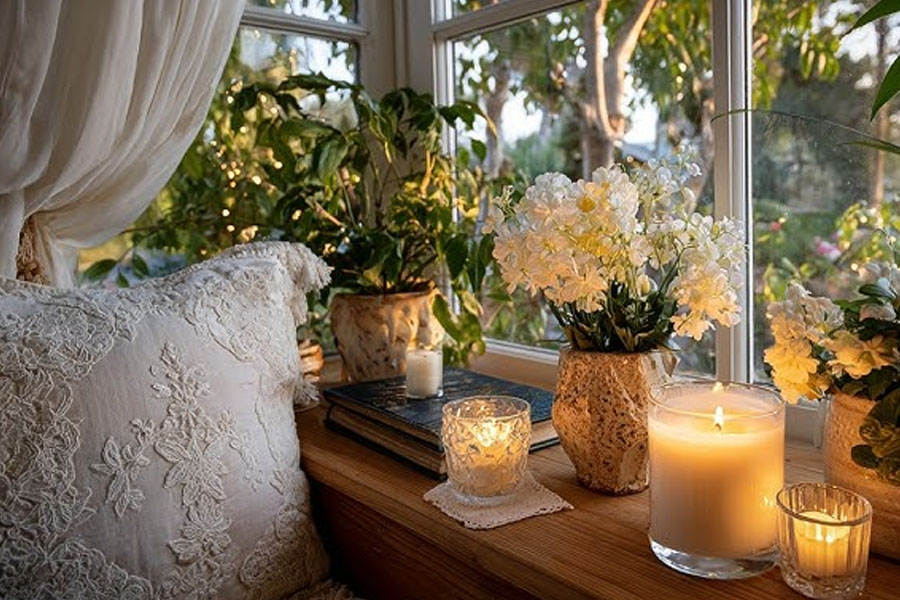
Why Everyday Romance Feels Better Than Grand Gestures
Big romances are flamboyant. They shine, amaze, and make great images and obnoxious captions. Romance that changes a relationship seldom occurs in romantic restaurants and expensive weekend getaways. It waits in regular homes amongst crumpled laundry and mismatched coffee cups for attention.
Home is where people drop the performance. That is exactly why it can become the most romantic place of all. At home, you are not competing with reservations, traffic, or a waiter who appears every twelve seconds to ask whether everything tastes amazing. You get the rare luxury of being yourselves. What makes a home feel worth staying in is also what keeps good tenants renewing, and the same diligence applies when it comes to buying investment property in Dallas.
Home romance reduces stress and boosts sincerity. A kitchen look might be more private than a public show. A thoughtfully planned evening may remind two people that love is more than a celebration. Maintenance, mischief, timing, softness, and making frozen dumplings special are all involved.
Turning a Room Into a Mood Instead of Just a Room
A romantic home does not require a chandelier, a fountain, or a harpist hidden behind the curtains. It needs atmosphere. That magical, hard to define quality that makes a space feel like it has exhaled.
Start with lighting. Bright white ceiling lights have all the charm of a dentist appointment. If you want warmth, bring the glow downward. Table lamps, small shaded lights, and candlelight instantly make a room feel more human. Shadows soften edges. People soften too.
Color matters more than most believe. Deep creams, warm browns, subdued rose tones, soft olive, and dark terracotta may cocoon a room. A few fabric tweaks can affect energy. The area may seem more like a nest with a fresh throw blanket, textured sofa coverings, or light-filtering drapes.
Then sound. A buzzing refrigerator and a neighbor playing drums make stillness less appealing. Well-selected music may save the day. Instrumentals at supper, gentle soul at night, old-school charm when folding clothes. Room and darkness have rhythm and structure suddenly.
The Secret Power of Tiny Luxuries
People often assume luxury must be expensive, dramatic, and possibly imported in a velvet box. Nonsense. Real luxury is often small enough to fit in your hand and specific enough to make you grin.
A satisfyingly hefty mug. Shower-ready silky robe. Fresh bedding with linen spray. Sweet secret: chocolate in a nightstand drawer. Good olive oil. Nice olives. Extremely comfy slippers. These are important details. These subtle impulses inform the brain, “Ah, we live like poets now.”
Shared pleasures are strong. A couple’s routine around one small pleasure gives the mundane dimension. Possibly herbal tea after sunset. Maybe it’s sharing dessert without pretending to only want one bite. It may be making a fancy food board that needs a lighting staff.
Tiny luxuries work because they are repeatable. Unlike a rare splurge, they can become part of the fabric of life. That repetition is what gives them emotional weight.
Reinventing Dinner So It Stops Feeling Like Administrative Feeding
Many couples eat dinner the way office workers clear email. Efficiently. Distractedly. With the emotional tone of a tax document. This is a tragedy.
Mealtime can become one of the easiest ways to bring charm back into a shared life. It does not require chef-level skill. It requires intention and a little theater. Not a full production with costume changes, but enough effort to make the evening feel chosen.
Use actual plates. Light a candle. Put the sauces in little bowls instead of leaving them in plastic containers like a defeated takeaway battlefield. Sit across from each other. Ask a question that cannot be answered with “fine.”
Perfectly imperfect romance may be found in cooking together. Someone cuts poorly. One freelancer claims instinctual seasoning when freelancing amid turmoil. Bread is burned. One laughs too hard. Very good. Domestic humor is one of the most undervalued types of intimacy.
Even breakfast can be transformed. Toast with jam tastes different when served on a tray in bed. Coffee feels more affectionate when it arrives with no request attached. A late evening snack at the kitchen counter can feel like a tiny date if both people are fully there.
Making the Bedroom Feel Like a Refuge Instead of a Storage Unit
Bedrooms suffer from a common problem. They are often expected to be restful, intimate, and calming while also functioning as laundry annexes, charging stations, and document burial grounds. That is a lot to ask from one room.
If romance is the goal, the bedroom should feel protected from the rest of life. Start by removing visual noise. Piles, cords, forgotten receipts, and that one chair wearing six outfits at once all interfere with the mood. A calmer room invites calmer attention.
Bedding changes everything. Crisp sheets, layered pillows, and a blanket that feels deliciously touchable can elevate the entire experience of simply getting into bed. Texture plays a huge role in emotional atmosphere. Softness encourages lingering. Lingering is where many good things begin.
Fragrance also helps. A subtle scent in the room can create a sense of transition. The brain starts to associate that smell with rest, closeness, and comfort. Keep it gentle. The goal is allure, not a scented ambush. If you’re looking to create this calming atmosphere at home, shop now for high-quality fragrance oils that help set the perfect mood.
Affection Needs Practice More Than Planning
People wait for the perfect romantic moment as if it might arrive by courier between two and four in the afternoon. Usually, it does not. Affection grows stronger through repetition, not luck.
A hand on the lower back while passing in the hallway. A forehead kiss during a messy morning. Feet touching on the sofa. A joke whispered during a boring task. These gestures are simple, but they create a relationship climate that feels alive.
Physical closeness does not need to be dramatic to be meaningful. In fact, casual affection often carries more emotional truth because it is woven into daily life. It says, “I still reach for you when nothing special is happening.” That is powerful.
Couples can also create rituals of touch that do not feel forced. A quick shoulder massage after dinner. Brushing each other’s hair. Sitting close enough that knees bump naturally. These actions build familiarity, and familiarity, when cared for properly, becomes its own kind of heat.
Shared Rituals Keep Love From Going Stale
Routine gets blamed for everything. People talk about it as if familiarity is a villain wearing beige. But routine is not the problem. Lifeless routine is.
Shared rituals pulse structure. They provide exclusive times for two. Friday night floor picnic. After-work phone-free tea break. Reading aloud a book neither person understands but both agree is great. Repetition gives the connection identity.
Rituals need not be perfected. In fact, weirder and more personal is better. Maybe one individual constantly prepares movie night popcorn with too much butter. Maybe a rainy day music is played when the sky turns dramatic. Maybe every Sunday morning starts with pancakes and the same debate over breakfast vs. dessert.
These habits become emotional landmarks. They help couples feel anchored even when life gets crowded.
Conversation Can Be More Seductive Than Decoration
A beautiful room helps, but no lamp on earth can compete with feeling truly understood. Emotional intimacy often begins with better conversation, not better furniture.
Many couples spend plenty of time talking logistics while rarely talking meaningfully. Schedules are discussed. Groceries are discussed. The suspicious noise the car makes is discussed. But wonder, memory, longing, and affection often get pushed aside.
Create space for richer conversation by making it feel distinct from everyday chatter. Sit somewhere comfortable. Lower the lights. Pour something warm or celebratory. Ask questions that invite stories instead of updates.
What feels comforting lately? What do you wish there were more time for? What memory still makes you laugh without warning? Which small thing from childhood still feels magical?
Questions like these pull people out of autopilot. They reopen doors that daily busyness tends to shut. When someone feels listened to without interruption or correction, closeness grows very quickly.
Dressing With Intention Changes the Energy of the Night
There is a strange psychological power in getting ready for an evening that technically takes place fifteen feet from the fridge. It changes posture. It changes mood. It adds a note of occasion.
Dressing consciously at home doesn’t imply wearing formalwear while someone reheats soup. It requires deviating somewhat. Wear something pretty, soft, whimsical, or shockingly polished. Careful grooming sends a message to yourself and your spouse.
That message is simple. This evening matters. I matter. You matter.
The result is often immediate. The room feels more charged. The interaction feels less sleepy. Even a familiar setting takes on a different tone when the people in it bring fresh energy.
FAQ
How can couples make home feel more romantic without spending much?
Romance at home depends more on atmosphere and attention than budget. Softer lighting, a tidier bedroom, better music, and a shared treat can completely change the mood. Many of the most effective upgrades cost very little but feel rich because they are thoughtful.
What is the easiest romantic ritual to start?
A simple evening ritual works well because it is easy to repeat. Sharing tea, sitting together without screens for fifteen minutes, or ending the day with one meaningful question can create closeness quickly. The key is consistency, not complexity.
Does romance at home only work for long term couples?
Not at all. New couples can use home rituals to build comfort, while long term couples can use them to refresh connection. The beauty of at home romance is that it grows with the relationship rather than belonging to only one stage of it.
Why do small gestures matter so much in relationships?
Small gestures are frequent, and frequency builds emotional trust. A kind touch, a prepared snack, or a moment of focused attention tells someone they are valued in real time. These actions may look tiny, but they shape the emotional tone of everyday life.
Can conversation really improve romance?
Yes, dramatically. Feeling heard and understood often creates more intimacy than any decorative setup. When couples move beyond logistics and talk about memories, desires, and emotions, they reconnect as people instead of just co-managers of a household.