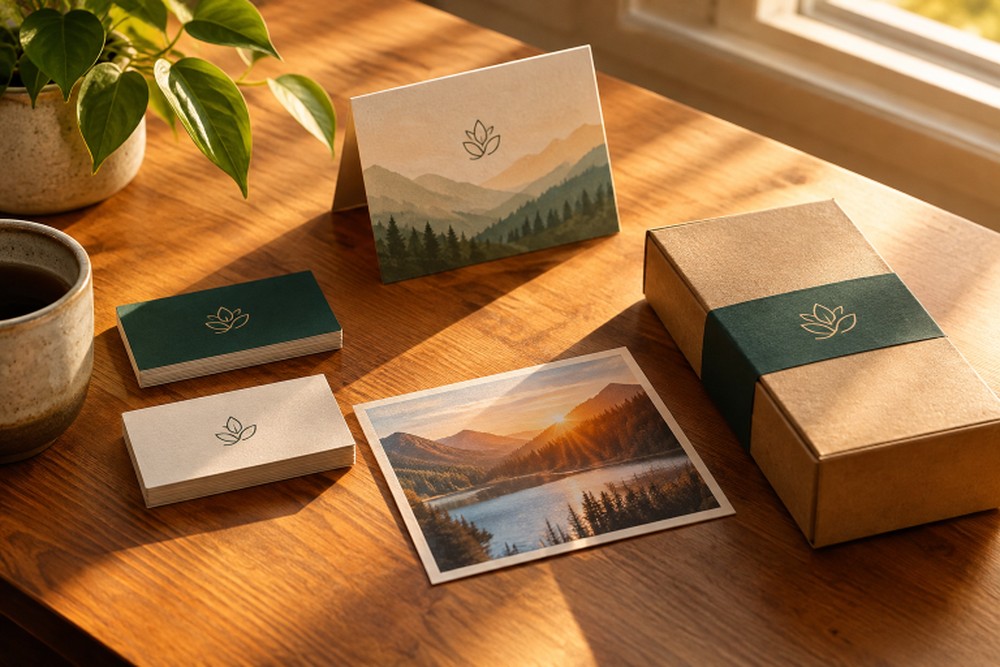
Digital marketing remains essential, but it is also easy to scroll past, mute, archive, or forget. Physical marketing gives people a different kind of interaction. A card can be kept on a desk, a package can shape an unboxing experience, and a sign can help someone decide in the moment. That does not make print a replacement for digital channels. It makes it a useful extension of them. Businesses planning connected campaigns can look to printing services from Nuance Ink, a Sandy, Utah production partner that works across print, signs, promotional products, apparel, and packaging. That breadth is valuable when a campaign needs physical materials that carry a consistent message from a local event or storefront to a customer’s home.
Digital Marketing Is Crowded
People move quickly through inboxes, search results, social feeds, and paid placements. A useful physical item can create another opportunity for a brand to be noticed without requiring a person to stop scrolling. For example, someone may ignore an online event ad but still retain a pocket-sized schedule, a well-designed postcard, or a useful handout from the event. The goal is not to produce more material for its own sake. It is to give the audience something relevant enough to hold, use, display, or pass along. Physical pieces are strongest when they support a broader campaign rather than repeat every message already appearing online.
Physical Materials Give Brands More Ways to Communicate
Format affects meaning. Color, weight, texture, scale, shape, and finish all influence how a piece feels before the reader reaches the copy. A heavier card may suit a professional introduction or premium offer. A bright poster with large type can communicate urgency and help people locate an event, promotion, or service area. Design should guide attention. Use hierarchy to show readers what matters first, then make the next action easy to find. Decoration is useful only when it supports the message, improves recognition, or makes the item easier to use.
The Best Materials Have a Clear Job
Every printed piece should help a person do something. It may inform, guide, invite, reassure, remind, or start a conversation. Before choosing paper or finishes, define the job.
- Set the goal. Identify whether the piece should build awareness, generate leads, support an event, or help close a sale.
- Choose the audience. Consider who will receive it, where they will see it, and how long they may keep it.
- Select the format. Match the message to a postcard, brochure, sign, booklet, package, display, or card.
- Create one clear action. Include a short instruction, phone number, web address, offer code, or QR code.
- Review a finished sample. Check text size, contrast, color, folds, durability, and scanability before committing to a large run.
Print Design Can Support Brand Recall
Repeated use of brand colors, typefaces, images, and recognizable shapes can make materials feel cohesive. Consistency matters across business cards, mailers, packaging, event displays, uniforms, and signage because customers may encounter those items at different times and in different places. A memorable detail does not need to be loud. A useful folded guide, a clean die-cut shape, or a package that opens intuitively may hold attention longer than a crowded design. The strongest detail is often the one that makes the interaction easier or better fits the brand.
Choosing Materials That Fit the Message
- Paper stocks: Suitable for cards, brochures, invitations, menus, and mailers when readability and handling matter.
- Large-format graphics: Useful for retail spaces, trade shows, public events, wall displays, and wayfinding.
- Labels and stickers: Helpful for product identification, packaging, giveaways, and short-term community campaigns.
- Packaging: Allows brands to make product information, protection, and presentation work together.
- Apparel and promotional products: Can extend visibility when the item is practical, comfortable, or worth keeping.
For direct mail, format decisions should also account for mailing requirements. The USPS mailpiece design guidance explains that design affects mail preparation, delivery, and postage eligibility, so these details should be considered before finalizing artwork.
Specialty Finishes Should Serve a Purpose
Foil, embossing, soft-touch coatings, spot gloss, edge painting, and custom textures can add contrast and encourage closer inspection. However, an expensive finish cannot rescue unclear copy, weak hierarchy, or an inconvenient format. Start with a sound message and choose one or two distinctive details that reinforce it.
Pair Print With Digital Tracking
A printed piece can direct people to a campaign-specific landing page, appointment form, product page, or event registration. QR codes can make that transition quick when the destination provides a useful next step on a mobile device. Short URLs and unique offer codes can work well when a visible code is not appropriate. Use a separate code, URL, or landing page for each audience, location, or distribution date when practical. That approach makes it easier to compare scans, visits, inquiries, redemptions, and sales. Measure the action selected before the campaign begins, not just the number of pieces distributed.
Common Mistakes to Avoid
- Printing a large quantity before testing the message or layout.
- Using low-contrast text or type that is too small for the setting.
- Adding several competing calls to action.
- Choosing materials that do not fit the environment or intended use.
- Overlooking storage, installation, shipping, or mailing needs.
- Skipping a mobile test of the QR code destination.
A Simple Planning Checklist
- Define the campaign goal and intended audience.
- Choose where and how the material will be distributed.
- Select a format that fits the message and setting.
- Set a realistic quantity, production timeline, and budget.
- Prepare print-ready artwork and request a proof when color, scale, or finishing matters.
- Connect the piece to a measurable action and record what performs best.
Common Questions
Are printed marketing materials still useful in 2026?
They can be useful when they are relevant, well-designed, easy to use, and tied to a clear business goal. Print is not automatically better than digital, but it can provide a valuable additional touchpoint.
What is the best printed material for a small business?
The right choice depends on the goal. Business cards can support networking, postcards can support local outreach, brochures can explain services, and signs can help customers navigate a physical location.
How much should a business spend on finishing?
Start with the finish that improves the audience experience or reinforces the message. A small test run can show whether the added cost improves attention, usability, or response.
How can print results be measured?
Use QR codes, custom URLs, offer codes, response cards, appointment forms, or sales records. Select the measurement method before distributing the materials.
Conclusion
Tactile marketing works best when it is intentional and connected to a brand’s overall marketing strategy. Print, packaging, signage, apparel, and promotional items do not need to compete with every digital channel or replace online campaigns. Instead, they can complement digital efforts by giving people something useful, memorable, and easy to associate with a brand. Whether it is a well-designed brochure, a thoughtfully packaged product, or a practical branded item, each physical touchpoint can reinforce brand recognition and create a more personal connection with customers. By choosing materials that suit the audience, serve a clear purpose, and reflect the brand’s identity, businesses can create a consistent customer experience that feels relevant across both physical and digital interactions.