The Backyard Has Quietly Changed Its Job
Sneaky backyards. The dog questions its life choices one year when pirate ships, food breaks, and crazy games rule. A few years later, the same room becomes a massive storage area for a slide and monkey bars nobody uses. No trumpet blows signal the change. It happens softly, like your youngster preferring texting buddies than imagining the sandbox is a volcano.
A family yard never freezes. It should move with users. What works well for preschool energy may seem odd when the family wants to barbecue, lounge, kick a soccer ball, or cultivate miniature planet-sized tomatoes. The yard sends indications when an old play area no longer matches family life. Several are evident. Some are nearly comical.
The Play Zone Has Become a Museum Exhibit
One of the biggest hints is stillness. Not peaceful stillness. Dusty, cobwebby, suspiciously untouched stillness.
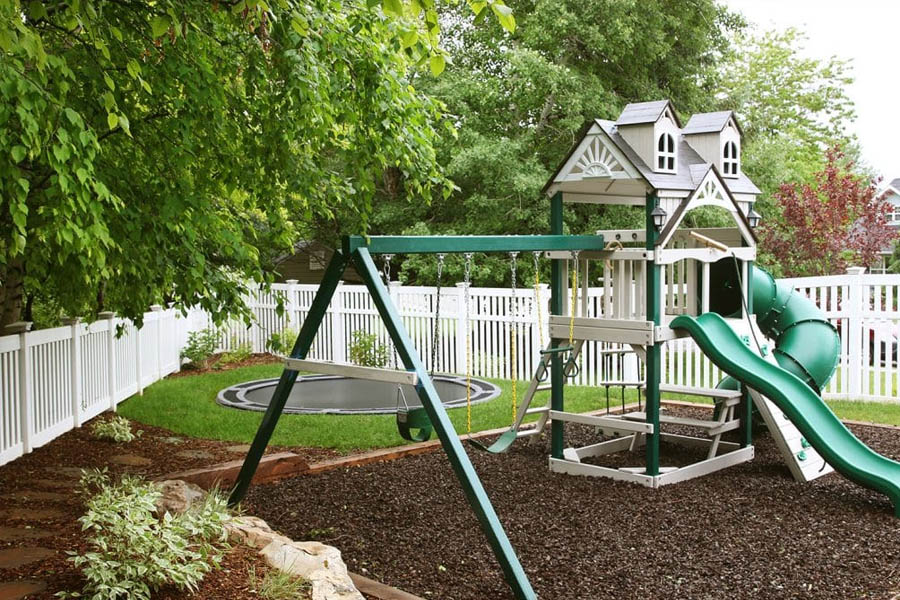
Having the swing set gently creak in the breeze like it’s trying to remind everyone of happier times says a lot. When youngsters stop vying to get the perfect swing or plead for one more slide ride, the equipment becomes a giant lawn decoration. Despite its height, it has retired emotionally.
This happens because kids play differently with time. They focus on motorcycles, basketball, music, hobbies, study time, and social arrangements that include standing in groups for hours. The yard is still valuable, but the necessity has changed, say Pillar Management professionals. A household may not need a castle tower. Weekend visitors who want burgers at once may require a fire pit, a broad plot of grass, or ample seats.
Everyone Walks Around the Equipment Instead of Toward It
A backyard can become a strange obstacle course once a play structure outlives its purpose. People are no longer gathering there. They are navigating around it.
Chairs are crammed into corners. The grill is awkwardly situated near the fence because the middle space is occupied by a fort with no residents. You observe that hosting friends always includes saying, “We can set the table over there if nobody bumps into the old seesaw.”
When the situation goes beyond disuse. It’s disruption. Family life is no longer supported by the playground. It’s obstructing. Useful yards should be inviting and flexible. It shouldn’t seem like grownups are borrowing from a 2018-peaking wooden construction.
The Equipment Looks More Tired Than You Do
Outdoor play sets age with drama. Wood fades, metal spots appear, bolts loosen, plastic becomes brittle, and every rainy season seems to add one more mysterious creak. A once cheerful setup can start looking like it has seen things.
This aging matters for two reasons. First, worn equipment can become unsafe. Second, it changes how the entire yard feels. Even a lovely home can lose some charm when the backyard centerpiece looks like it belongs in an abandoned theme park for raccoons.
Families frequently find upkeep very irritating. Instead of a quick seasonal touch up, you sand, tighten, repaint, replace, and mumble. Math is no longer humorous if you spend more time maintaining the play set than anyone is using it.
The Yard No Longer Matches the Age of the Household
A backyard should reflect the current household, not just its greatest toddler hits.
The yard is usually about confined play, easy landings, and visible supervision for young children. The household may require other characteristics later. Teens may desire a game area or hangout with illumination and comfy couches. Parents may want herb gardens, an eating room, or a shady hideaway without yelling over turns.
Some families throw birthday meals in the yard instead of bounce houses. It may be a calm extension of the house for yoga, container gardening, or drinking coffee while pretending not to hear the neighbor’s leaf blower. The point is straightforward. Your current family should fit outside.
You Keep Imagining Something Else in That Spot
This is one of the clearest signs, and it often starts with daydreaming.
You stand at the kitchen window and picture a patio there. Or a pergola. Or a vegetable garden. Or a patch of grass big enough for a dog to sprint dramatically across. The old play zone is no longer being viewed as a destination. It is being viewed as potential.
That shift in imagination matters. Once a family starts seeing the same square footage as opportunity instead of obligation, the yard is ready for a reset. This does not mean erasing the past. It means making room for the next chapter. Backyards are allowed to grow up too.
Older Play Areas Can Make the Whole Space Feel Smaller
Visual control is claimed by large play structures. Even little ones may dominate the yard and make it feel full. When combined with mulch pits, rubber matting, edging, toy bins, and the odd forgotten pail under the slide, this is especially true.
Removing or reworking that footprint can completely change the sense of space. Suddenly there is breathing room. Lines open up. Light moves differently. The yard stops feeling divided into kid zone and leftover zone. It becomes one usable landscape instead of a collection of compromised corners.
That change can be surprisingly emotional. Many homeowners do not realize how cramped the yard felt until the old structure is gone. Then they look outside and think, “So this is what my backyard actually looks like.”
There Is More Negotiation Than Enjoyment
Some outdoor features invite joy. Others create endless low level debate.
Should we repair it one more time? Should we keep it for visiting younger cousins? Should we move it to another side of the yard? Should we just let it sit there until nature claims it? These conversations tend to repeat because nobody wants to feel wasteful, sentimental, or impulsive.
But if a play area sparks more family negotiation than family fun, it may be past its prime. A useful backyard should make life easier, not trap everyone in an ongoing committee meeting about rusty chains and weathered platforms.
The Best Outdoor Spaces Have More Than One Purpose
A smart backyard can adapt. It can host play, rest, meals, hobbies, and celebration without forcing every square foot into one role forever.
That is why many families adopt more flexible setups. A lawn can be used for activities, parties, and visual tranquility. Patios facilitate homework breaks and holiday feasts. Garden beds may be beautiful, productive, and a good reason to buy a watering can you didn’t need but wanted.
An outdated play area often signals that the family is ready for a more layered use of space. Not less fun. Just a different kind of fun. The kind that includes string lights, comfortable chairs, and perhaps snacks that are not shaped like dinosaurs.
FAQ
How can I tell if the kids are truly done with the play area
Look at actual behavior, not nostalgic intentions. If the equipment goes unused for long stretches during good weather, and the kids naturally choose other activities, that is a strong sign the space has lost its role.
Is it normal to feel guilty about changing the backyard
Yes. A play area often holds a lot of family memories. Feeling sentimental is completely normal. Updating the yard does not erase those memories. It simply lets the space serve the family as it is today.
What if younger guests still visit sometimes
Occasional visitors do not need a permanent giant structure. Families can create flexible outdoor areas that still welcome children without giving the entire yard over to equipment that sits unused most of the year.
Does removing a play set always mean adding something expensive
Not at all. Some of the best yard updates are simple. Open grass, a seating area, planters, gravel paths, or a shaded corner can completely refresh the space without turning it into a luxury resort.
Can an old play area affect how the home feels overall
Absolutely. The backyard is part of the home’s personality. If the outdoor area looks worn, crowded, or mismatched with the family’s current lifestyle, it can make the whole property feel less cohesive.
What should a family think about before making a change
Think about how the yard is used right now, what feels frustrating, and what would make outdoor time more enjoyable for everyone in the household. The best redesign starts with everyday life, not just appearances.