Modern defense systems and aircraft need strong parts that work under pressure. High speeds, heat, and harsh weather can put great stress on metal components. Even a small fault can cause serious problems. For this reason, manufacturers choose materials that offer strength, accuracy, and long service life.
Copper-zinc alloys, such as brass, play an important role in this work. They are easy to machine and offer useful physical properties. These features make brass a good choice for many parts used in aircraft, defense equipment, and support systems.
The Machining Advantage
Brass is easy to cut at high speeds. It also causes less wear on cutting tools than many harder metals. Free-cutting brass, such as C36000, has a machinability rating of 100%. This makes it a popular choice for shops that need fast and accurate production.
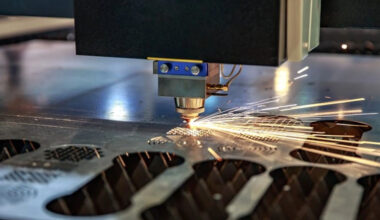
Modern machine shops use multi-axis mills to shape metal blocks into complex parts. With brass CNC milling, operators can create detailed shapes and meet strict size limits. Computer-controlled machines follow set paths during each cut. This helps keep parts accurate across long production runs.
The cutting process also leaves smooth surfaces. This reduces the need for extra finishing work. As a result, parts can move through inspection and production at a faster rate.
Flight Guidance and High Accuracy
Aircraft electronics and guidance systems need parts with very tight size limits. Even a small change in shape can affect how well these systems work. High-precision milling helps manufacturers create parts that meet these demands.
Guidance equipment often contains small sensors and gyroscopes. These parts must stay in the correct position during flight. Metal housings help protect them from engine vibration and sudden movement.
CNC machines can cut small pockets and openings inside these housings. These spaces hold sensitive parts in place. A close fit also helps reduce movement during flight. This protects important electronic parts and supports reliable system performance.
Managing Heat and Electrical Power
Aircraft cockpits contain many electronic devices. These systems produce heat and need a steady supply of power. Brass offers good heat and electrical conductivity, which makes it useful for certain electronic parts.
For example, brass components can help move heat away from sensitive equipment. This reduces the risk of overheating. It also helps electronic systems work under heavy loads.
Manufacturers also use milled brass pins and terminal blocks to connect wires. These parts help maintain stable electrical contact. Their accurate shapes allow them to fit into small spaces inside complex control systems.
Cockpit Electronics
Modern aircraft panels contain many electronic controls and displays. These devices need protection from heat and vibration. Brass parts can support the design of these systems.
Metal backplates and support components help manage heat around electronic devices. This can protect processors and other sensitive parts. Good thermal control also helps reduce the risk of system failure during demanding flight conditions.
Final Thoughts
From electronic connectors to selected fluid fittings, brass components support many important systems. Choosing the right alloy and machining process is key to getting the best results. With careful design and quality control, manufacturers can produce reliable parts that meet the demands of modern aerospace and defense work.