The heating, ventilation, and air conditioning (HVAC) manufacturing sector sits at the vital intersection of modern infrastructure, commercial construction, and environmental technology. As global demand for climate control solutions expands—driven by urbanization, rising temperatures, and stringent energy-efficiency regulations—HVAC manufacturers face unprecedented market opportunities. However, navigating this complex industry requires far more than technical engineering expertise; it demands strategic operational planning, workforce agility, and uncompromising quality standards.
Whether you are producing commercial chillers, residential heat pumps, or industrial air handling units, staying competitive requires continuous evaluation of your operational strategy. Below are essential tips to help you optimize production, build operational resilience, and position your HVAC manufacturing business for long-term growth.
1. Build a Resilient and Diversified Supply Chain
In HVAC manufacturing, production schedules depend heavily on continuous access to raw materials such as copper, aluminum, sheet metal, and specialized components like compressors, valves, and microprocessors. Disruption in any part of the supply chain can immediately stall assembly lines and extend delivery lead times.
To build operational resilience, diversify your supplier base across all key material categories. Avoid relying on single-source suppliers for critical components. Establishing partnerships with regional and local suppliers helps reduce transit risks and shipping delays. Additionally, leveraging modern inventory management systems allows for real-time tracking of stock levels, enabling plant managers to anticipate material shortages long before they impact active production runs.
2. Invest in Advanced Automation and Smart Manufacturing
Modern HVAC production demands high precision and consistent output. Implementing advanced manufacturing technologies—such as Computer Numerical Control (CNC) punch presses, automated tube bending equipment, robotic laser welding, and automated refrigerant charging systems—significantly improves manufacturing speed and lowers defect rates.
Furthermore, integrating Internet of Things (IoT) sensors across plant machinery facilitates predictive maintenance. By monitoring operational variables like motor vibration and operating temperature in real time, floor management can address equipment wear before catastrophic downtime occurs. Automating routine assembly tasks allows technical personnel to focus on complex sub-assemblies, custom unit configurations, and detailed quality inspections.
3. Strengthen Talent Acquisition Through Strategic HVAC Recruitment
Behind every high-performing manufacturing facility is a team of specialized engineers, certified welders, machine operators, and quality compliance technicians. As manufacturing technologies become more sophisticated, bridging the technical skills gap remains one of the premier operational challenges for industrial leaders.
To maintain high output standards and foster innovation, factory leadership must prioritize talent pipeline development. Investing in targeted HVAC recruitment strategies—such as partnering with trade schools, sponsoring vocational apprenticeship programs, and offering competitive compensation packages—helps attract top-tier technical talent. Retaining this skilled workforce through ongoing professional development and clear advancement pathways ensures your facility remains agile and quality-driven.
4. Align Product Engineering with Green Energy Standards
Regulatory frameworks surrounding energy efficiency and environmental impact are tightening worldwide. Commercial buyers and residential consumers alike prioritize equipment with high Seasonal Energy Efficiency Ratio (SEER) ratings, low Global Warming Potential (GWP) refrigerants, and smart grid integration.
To maintain market leadership, embed sustainable engineering principles into your research and development pipeline. Focus on developing high-efficiency heat pump systems, variable refrigerant flow (VRF) units, and equipment compatible with eco-friendly refrigerants like R-32 or R-454B. Proactively aligning your product design with upcoming environmental standards prevents costly redesign cycles and positions your brand as an environmentally responsible industry leader.
5. Implement Comprehensive Quality Control Protocols
A single product defect in the field can compromise customer trust, lead to expensive warranty claims, and severely damage brand reputation. Quality assurance (QA) cannot be treated as an isolated final step; it must be integrated into every phase of the fabrication process.
Establish multi-stage QA checkpoints, including thorough inspections of incoming raw materials, automated pressure and leak testing for heat exchanger coils, electrical safety testing, and acoustic/vibration testing for fully assembled units. Adopting Lean Six Sigma or ISO 9001 quality management frameworks establishes standardized procedures, clear accountability, and continuous process optimization.
6. Optimize Plant Layout and Operational Maintenance
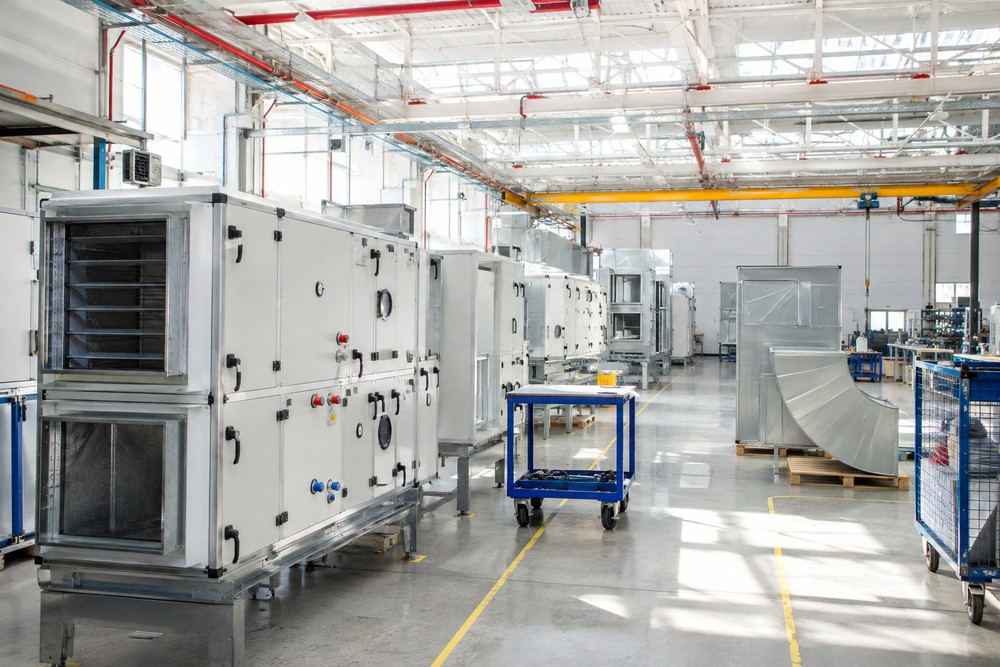
Maintaining an organized, safe, and efficient factory floor directly improves operational margins. Poor floor layout and unplanned machinery downtime result in unnecessary material handling costs, safety hazards, and missed delivery timelines.
Incorporate Lean Manufacturing methodologies, such as the 5S framework (Sort, Set in order, Shine, Standardize, Sustain), to eliminate floor clutter, improve access to tools, and maximize workplace safety. Establish strict preventive maintenance schedules for heavy machinery, press brakes, and coil lines to extend asset lifespan and maintain maximum throughput capacity across every shift.
Building a Future-Ready Enterprise
Running a successful HVAC manufacturing business requires a careful balance of engineering excellence, strategic workforce planning, and continuous operational refinement. By strengthening supply chain networks, adopting smart automation technology, focusing on sustainable product design, and maintaining rigid quality standards, HVAC manufacturers can navigate market shifts and achieve sustainable long-term profitability.