Chain blocks and lever hoists are widely used for heavy lifting across Australian worksites. However, each has its own purpose, and using the wrong one can limit performance and increase safety risks.
At RUD Australia, we’ve been manufacturing and supplying hoist chains to mining, construction, and heavy industry sites across the country for decades. That puts us in a solid position to break down exactly what each tool does and where it belongs on site.
This article explains how each lifting mechanism works and which tasks it suits best. We’ll also walk through the safety checks you should complete before lifting.
Chain Blocks vs Lever Hoists: Which Suits Your Lift?
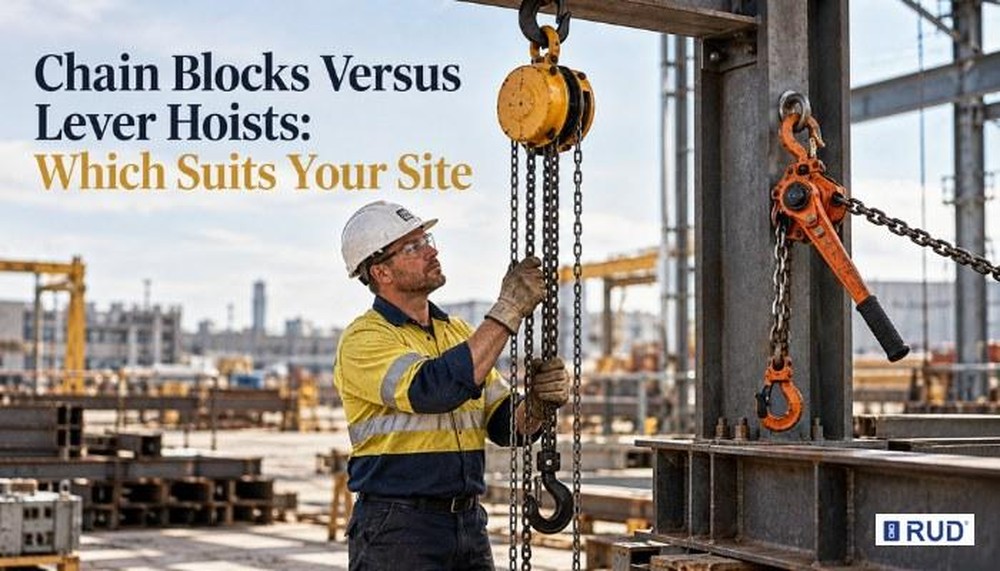
Chain blocks and lever hoists are both useful for lifting heavy objects, but they work differently and suit different tasks. The right tool depends on the load, lifting direction, and working conditions.
Here’s how the two tools compare across various factors:
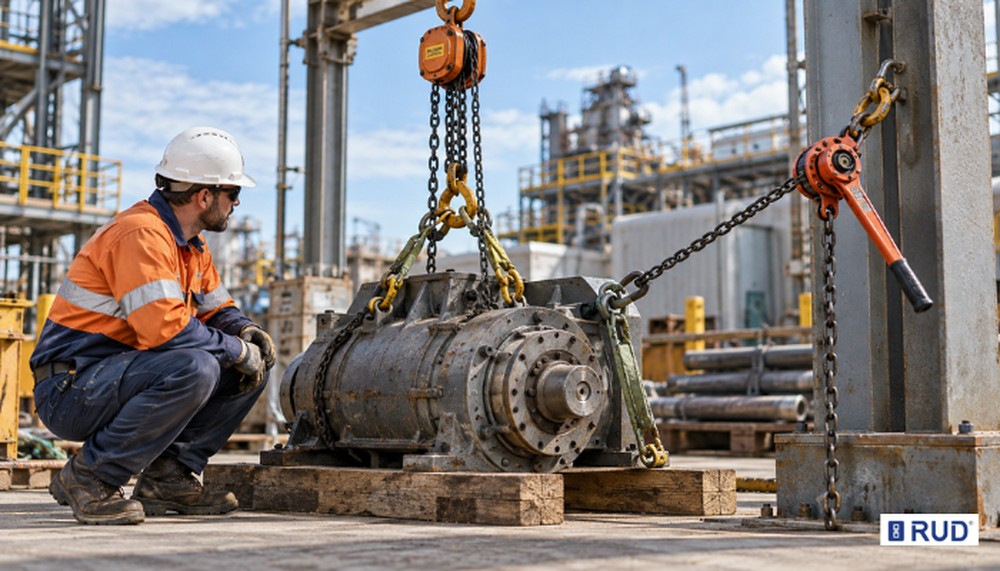
- Lifting Direction: Chain blocks are designed for vertical lifting and lowering, as pulling sideways can strain the lifting mechanism and increase safety risks. Lever hoists, however, can pull loads horizontally, vertically, or at angles. For safe operation, they must be correctly aligned and used within their rated capacity.
- Load Capacity (WLL): When it comes to lifting capacity, chain blocks generally handle heavier loads than lever hoists. They’re often suitable for heavy lifting on industrial sites. However, larger loads may require electric hoists or cranes, depending on the weight and lifting conditions.
- Operator Position: With a chain block, workers can often control the lifting process from floor level using a hanging hand chain. Meanwhile, lever hoists require the operator to stay within reach of the lever. In both cases, workers must keep a safe distance from the suspended load.
- Portability: You can easily move smaller lever hoists between work areas, which makes them useful for mobile lifting tasks. For jobs that involve fixed overhead lifting points, chain blocks are often preferred, although portable models are also available.
So before anything else, check the load weight, lifting direction, and how often you’ll need to move the equipment. These details will help you choose the right hoist for the job.
What Are the Main Differences Between a Chain Block and a Lever Hoist?
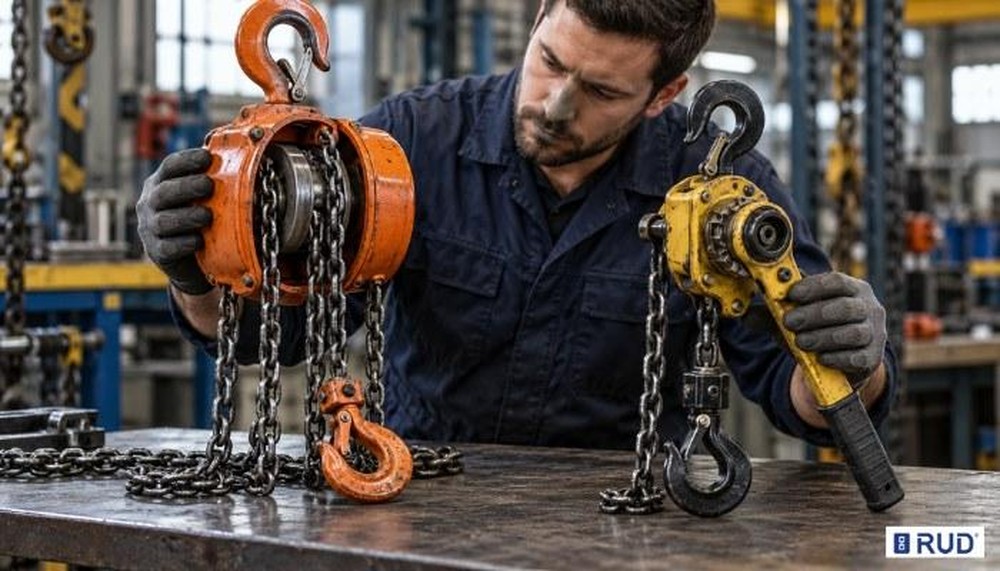
The main differences between chain blocks and lever hoists lie in how they operate and handle loads. Although both rely on manual effort, each uses a different lifting mechanism. These differences affect which tasks they’re suitable for and how safely they can be used.
Below is a breakdown of the mechanical and practical distinctions between the two options.
How Chain Blocks and Lever Hoists Operate
The lifting mechanism determines how each hoist raises and controls a load. Both chain blocks and lever hoists are types of manual hoists, but they move the load chain in their own way.
With a chain block, the operator pulls a looped hand chain to drive internal gears. These gears rotate the load chain wheel and raise the load (each chain link needs to sit properly in the wheel’s pockets).
The process works differently with a lever hoist, which uses a ratcheting handle that moves back and forth. Each stroke moves the load chain in small steps, and it allows precise positioning.
Along with the lifting mechanism, the chain type also deserves attention. Both tools require chains matched to the hoist’s rated capacity, and the chain grade, size, and pitch must match what the manufacturer specifies for that model.
Neutral Mode and Free-Chaining
What makes a lever hoist easier to adjust before a lift? It’s the free-chain function, which lets workers adjust the chain length without using the lever. When the hoist isn’t under load, the operator can select this setting and pull the chain through by hand.
For example, a rigger on a construction site can use this feature to position the hook before a lift. There’s no need to move the lever through repeated strokes, which saves setup time and improves productivity.
Chain blocks work differently. The operator must pull the hand chain to move the load chain through the gears. As a result, adjusting the hook position takes manual effort, even when there’s no load attached.
Side Loading Risk
Ease of positioning matters, but so does the direction of the pull.
Side loading a chain block can damage its internal parts and increase the risk of accidents. The load chain must stay in line with the hoist during vertical lifting. Otherwise, the chain can press against its guide, which may cause jamming or uneven wear.
After a while, repeated side loading can reduce the chain’s durability and put personnel at risk. So, operators should use a suitable lever hoist for jobs that require pulling or tensioning at different angles, rather than side-loading a chain block.
Many models can handle horizontal and angled pulls. And in each case, the hoist and hooks must remain aligned with the direction of pull (make sure the load sits securely in the hook’s bowl).
Cost and Maintenance
Once you’ve chosen the right hoist, you need to consider its purchase price and regular maintenance needs. Chain blocks and lever hoists can fall within a similar price range, although costs vary by model and load capacity.
Both tools also need periodic inspection and proper chain lubrication to reduce wear and maintain safe operation.
During these inspections, workers should check for corrosion, cracks, and visible wear. Any component that fails the manufacturer’s inspection limits must be taken out of service immediately. A damaged hook or worn chain can affect the hoist’s performance and increase the risk of accidents.
Worth Noting: A chain block is a type of manual chain hoist, which usually has a lower upfront cost than an electric chain hoist. Electric models may improve efficiency for frequent lifting tasks, but they serve a different purpose than the manual tools compared here.
What to Check Before Using Chain Hoists or Lever Hoists
Before using a chain block or lever hoist, you need to perform a pre-use safety inspection. These checks include the load chain, hooks, working load limit (WLL) markings, and lubrication condition.
Here’s what each check involves and what you should watch for:
- Load Chain Condition: Inspect the load chain closely for corrosion, kinks, twists, or visible wear before each lift. A damaged chain is one of the leading causes of hoist failure on site, and it’s not always obvious until something goes wrong.
- Hook and Safety Latch: Both the top and bottom hooks need to be fully seated and engaged before any load is applied. The safety latch must close completely, since a hook that isn’t fully latched can release under load without warning.
- WLL Marking: You should check that the hoist’s working load limit is clearly marked and matches the load being lifted. If the marking is unreadable, don’t use the hoist until its rated capacity is verified. AS 1418.2 sets requirements for serial hoists and winches, including chain blocks and lever hoists.
- Lubrication: Regular lubrication of the load chain and internal gearing keeps both tools running safely and extends their service life. Poor lubrication accelerates corrosion from the inside out, and by the time it’s visible on the chain, the damage is already done.
These simple checks help keep your hoist in safe working condition before each lift.
Chain Block and Lever Hoist: Your Next Step
Your manual lifting requirements should guide which tool you use. Chain blocks are well suited to vertical lifts where loads need to be raised or lowered. Lever hoists can also assist with positioning loads in confined spaces or pulling at angles permitted by the manufacturer.
Before either tool goes into service, complete your pre-use checks. Inspect the chain and hooks, confirm the WLL, and check lubrication according to the manufacturer’s instructions. Skipping them is how chains jam, hooks release, and equipment gets pulled from service mid-job.
If you need hoist chains suited to your site’s lifting requirements, get in touch with the RUD Australia team today.