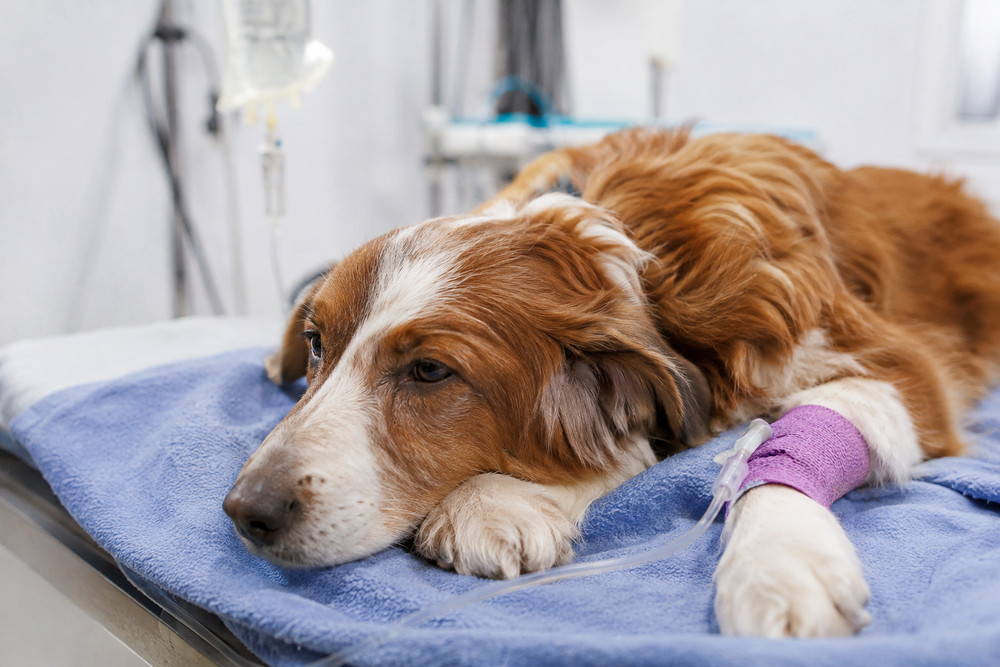
You know when something is off. Your dog stops eating, starts vomiting, hunches up, pants, trembles, or looks at you with that worn out, hurting expression that makes your stomach drop. A pancreatitis flare can turn from “maybe an upset stomach” into a painful emergency fast, and when that happens, finding a reliable overnight vet in San Diego can make all the difference. The hardest part is that many dogs do not show pain in loud, obvious ways. They just seem miserable, restless, weak, or suddenly not themselves.
That is where an Emergency Vet steps in. When pancreatitis flares and pain spikes, emergency teams focus on three things right away: controlling pain, correcting dehydration and nausea, and watching for complications that can become serious within hours. If your dog has repeated vomiting, belly pain, collapse, trouble breathing, or cannot keep water down, waiting it out at home can make a bad flare harder to treat.
Pancreatitis pain can escalate quickly and change your dog’s behavior
Pancreatitis is inflammation of the pancreas, and in dogs it often causes vomiting, diarrhea, loss of appetite, lethargy, and abdominal pain. VCA’s overview of pancreatitis in dogs explains that cases range from mild to severe, which is why one dog may need outpatient care while another needs hospitalization and close monitoring.
The pain piece matters more than many people realize. Dogs in pain may pant, pace, hide, resist being touched, pray with their front end down and rear up, or go still and withdrawn. Cornell’s guide to recognizing pain in dogs describes the subtle signs owners often miss at first, especially when stress and nausea are happening at the same time.
That mix is what makes a flare so upsetting. You may be trying to sort out whether this is discomfort, fear, or a true crisis, all while your dog refuses food and looks worse by the hour. Pancreatitis can also lead to dehydration very quickly because vomiting, diarrhea, and poor intake all pull fluid out of the body. Once that cycle starts, pain and nausea often feed each other.
Emergency vets treat pancreatitis flares by stabilizing first
In the ER, treatment starts with stabilization. A veterinary team checks hydration, heart rate, temperature, blood pressure, pain level, and blood sugar, then decides how aggressive care needs to be. This is the core of emergency pancreatitis treatment for dogs. The first goal is not fancy testing. It is getting your dog safer and more comfortable.
Pain control is usually a central part of care. Many dogs with acute pancreatitis need injectable pain medication because oral meds may not stay down or may not work fast enough during a severe flare. Anti nausea medication is also common, since a dog who keeps retching will struggle to rest, drink, or recover. Fluid therapy helps restore circulation and hydration, and it supports the pancreas and other organs while inflammation settles down.
If the flare is severe, emergency vets may recommend bloodwork, imaging, hospitalization, and repeated monitoring. That is not overreaction. Pancreatitis can affect the gut, liver, blood sugar, and even breathing in serious cases. Cornell’s emergency and critical care service reflects the kind of hospital setting where those complications can be watched closely when a dog is unstable.
Some owners worry they caused the flare by giving the wrong food or missing an early sign. That guilt shows up a lot. The better focus is the next decision. If your dog has severe belly pain, repeated vomiting, weakness, or a sudden crash after seeming “just off,” an emergency vet visit is often the safest move.
Home monitoring and emergency veterinary care are not equal during a pain spike
| Situation | Home Monitoring | Emergency Vet Care |
|---|---|---|
| Mild decrease in appetite, no vomiting, still drinking | May be reasonable for a short period if your regular vet is involved | Helpful if symptoms worsen or your dog has a history of severe pancreatitis |
| Repeated vomiting or inability to keep water down | High risk of worsening dehydration | Fluids, anti nausea medication, and monitoring can start right away |
| Visible abdominal pain, trembling, panting, hunched posture | Pain is hard to control safely at home | Injectable pain relief and assessment for complications |
| Lethargy, weakness, collapse, pale gums | Unsafe to watch and wait | Immediate stabilization and critical care support if needed |
| Known history of pancreatitis with sudden flare | Can be deceptive because signs may intensify fast | ER care for pancreatitis pain in dogs can shorten the time to relief and reduce risk |
Fast action matters when a pancreatitis flare is building
Track the symptoms clearly. Note when vomiting started, whether your dog can keep water down, what the stool looks like, when they last ate, and any signs of pain. If your dog has had pancreatitis before, mention what this flare has in common and what feels different. That timeline helps the emergency vet move faster.
Do not give random pain medicine at home. Human pain relievers can be dangerous for dogs, and even pet medications can complicate treatment if used without guidance during a flare. If your dog is vomiting, oral medications may not stay down anyway. Call a veterinary professional before giving anything.
Go in sooner if the pain is rising. Owners often wait for one “proof” symptom, but pancreatitis does not always follow a clean pattern. A dog that is pacing, panting, refusing food, and guarding the belly may be in significant pain even before nonstop vomiting starts. Acute pancreatitis care is most effective when support begins before dehydration and shock set in.
Emergency treatment is about relief, safety, and buying the pancreas time to settle
Most people are not looking for a perfect answer in the middle of the night. They want to know if their dog is suffering, if they are overreacting, and what an emergency vet will actually do. With pancreatitis, the answer is usually straightforward. Emergency teams reduce pain, control nausea, restore fluids, and watch for the complications that owners cannot manage at home.
If your dog is having a pancreatitis flare or pain spike, contact an Emergency Vet now. Quick care can ease suffering and may prevent a much more dangerous crash.