Why pet owners need a different mosquito game plan
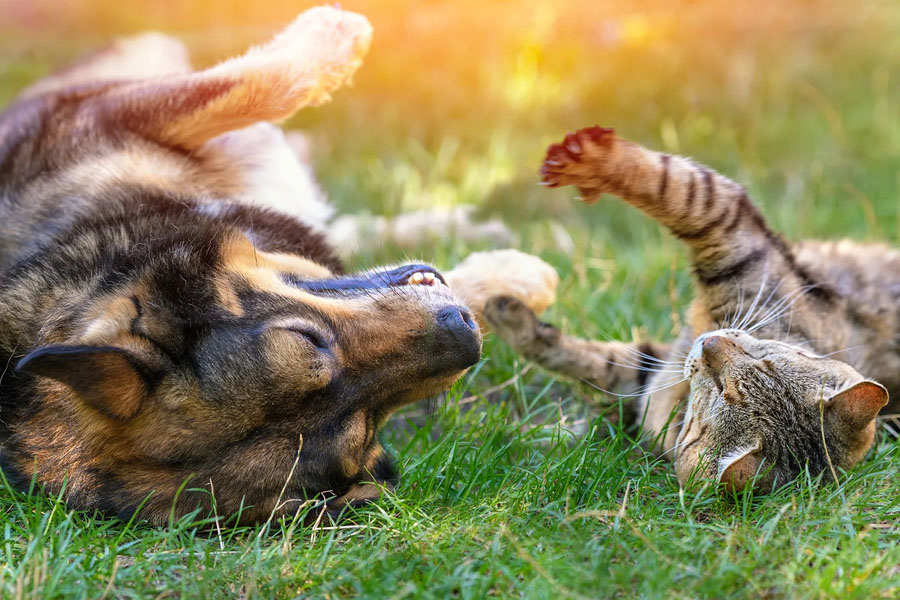
Sharing your yard with a Labrador who tastes puddles like a water sommelier or a cat that treats every planting like a salad bar makes mosquito control uncomfortable. A pet home may not benefit from a generic backyard. Dogs sniff, lick, roll, chew, and patrol the entire yard. Cats glide over bushes, walk on everything, and wipe their paws monk-like. Any yard treatment must endure the elements and your home’s strict quality control department.
The biggest error is assuming a spray bottle is the answer. Usually not. Mosquitoes are not little winged magicians coming at sunset. They require water, shelter, and quiet to breed. If your yard has a mosquito nursery, no amount of aromatic mist can save your patio evening.
A pet-smart strategy starts with prevention, then adds low risk treatments only where they truly help. Think of it less like carpet-bombing your yard and more like running a very picky hotel that refuses mosquito guests at check-in.
Turn your yard into a terrible place for mosquito babies
Standing water is the engine of the whole mosquito problem. Adult mosquitoes are annoying, but their young are the real weak point. If you interrupt the life cycle early, you avoid creating a whole flying army later.
Check your yard after rain like a detective in old sneakers. Buckets, toys, flowerpot trays, pet bowls, blocked gutters, and wheelbarrows are apparent problems. Find the sly ones. Tarps with water in the middle are like bathtubs. Puddles form on uneven patio furniture. Decorative planters with inadequate drainage might hide water in the base. If neglected, a kiddie pool edge might become a mosquito maternity ward.
Fast action counts. Mosquitoes don’t require Swan Lake and spectacular moonlight. They are content with a small pocket of water that a teaspoon would not like. Regularly empty containers, cleanse water bowls, and clean bird baths. Grade, drainage, or runoff redirection can address recurrent damp places. The objective is straightforward. Without standing water, no nursery, fewer mosquitoes.
For pet households, this is the gold standard because it adds no residue to grass, no mystery chemicals to paws, and no temptation for curious animals to investigate a freshly treated surface, notes BridgeHaus Property Managers San Diego County.
Build a layered defense instead of relying on one miracle fix
A safer yard usually comes from stacking several modest tactics rather than betting everything on one heroic product. Mosquitoes are opportunists. You can beat them by being more annoying than they are.
First, reduce their breeding spots. Second, make the yard less comfortable for adults. Third, protect the zones where your family actually spends time. That might mean the patio, the grill area, the back steps, and the shady corner where the dog flops down like a sun-warmed potato.
Physical modifications assist more than expected. Reduce daytime mosquito habitats in overgrown bushes. Near sitting places, thin dense ground cover. Patio fans boost airflow. Flying mosquitoes are fragile. A persistent breeze ruins their beautiful attack strategy. For humans, fans are refreshing. Mosquitoes experience aircraft pandemonium.
Screened gazebos, pergolas with netting, or a well-placed outdoor fan may greatly increase comfort without exposing pets to pollutants. This helps houses with cats who wander the yard and don’t follow drying times. Because they will cross the one area you thought they wouldn’t.
Pet conscious treatments that fit real life
When extra help is needed, choose treatments designed for low risk use around animals. The best options are the ones that target mosquitoes without turning your lawn into a chemistry experiment.
Water features, rain barrels, and hard-to-empty areas benefit from biological larva management. These medicines target juvenile mosquitoes, which is wiser than pursuing adults after their nightly shift. They are especially useful in yards with ponds, drainage areas, or attractive water features that stay there no matter how convincing your mosquito speech is.
Pet households can use botanical yard sprays, but exercise caution. Natural concentrations aren’t always safe. A garden product is distinct from improvising with powerful essential oils and confidence. Smaller, lower-to-the-ground pets are more prone to absorb residues via natural activities. A cat with delicate lungs or a dog that enjoys licking damp grass may find a herbal therapy too harsh.
Apply plant-based sprays sparingly to outdoor living areas rather than the entire property. Allow dogs to dry completely before returning. Avoid edible garden patches, pet-chewed decorative plants, and favorite hangouts if the label warns. A sensible partial treatment typically outperforms a reckless whole-yard bombardment.
Some homeowners appreciate garlic-based repellents because they make treated foliage less mosquito-friendly. A fleeting scent is the major draw. Your yard may look like a kitchen-less Italian restaurant for a few hours. Some find it appealing. Some less so. Mosquitoes seldom thank you.
Yard design can quietly do a lot of the work
A mosquito resistant yard often looks like a comfortable, well-kept yard because many useful design choices overlap. Good drainage, open airflow, and tidy landscaping are not glamorous, but they make a real difference.
Dense shade and damp clutter create ideal hiding spots. Piles of yard debris, neglected corners behind sheds, and jungle-like hedges give mosquitoes a cool daytime refuge. Clean those up and you remove their lounge chairs.
Plant selection might also help. When planted near seating areas, fragrant herbs and ornamentals help deter mosquitoes from patios and walks. They’re not force fields. One pot of basil won’t safeguard a backyard BBQ. As part of a larger strategy, these plants may influence the local environment and make the yard smell and look good.
Most useful are raised containers near doorways, planters surrounding patios, and herb pots near outdoor tables. They perform best when people brush the leaves and release aroma. Since they are easy to place away from locations where pets dig, snooze, or suspiciously sample vegetation, pets benefit too.
Professional services are only as good as the questions you ask
Hiring a mosquito treatment company can save time, but pet owners should never treat the service menu like a mystery box. Ask exactly what active ingredients will be used, how often applications occur, where products will be sprayed, and how long animals must stay off the lawn.
A good supplier should answer clearly without drama. If you hear polished jargon but no information, keep your wallet in your pocket. You need details. Cat and dog houses can receive larval control, targeted application, and regulated reentry time from some companies. Others utilize a conventional treatment kit and hope no one challenges them.
The purpose goes beyond mosquito control. It lowers them to reflect your animals’ regular lives. An indoor cat who occasionally views birds from the window demands are different from two heelers and a free-ranging tabby that thinks fences are ridiculous.
Timing matters more than many people realize
Even safer therapies become less clever when misused. Yard work and mosquito control should be done when pets are quiet, inside, and unlikely to startle. Early morning and evening are best since mosquitoes are busy, temperatures are lower, and drying conditions are still controllable.
Read labels carefully and respect drying times. Grass that looks dry from the patio may still be damp enough to cling to paws and fur. Check treated areas before letting animals back out. This is not the moment for optimism.
Also think about weather. Applying a treatment before heavy rain wastes product and can move it into puddles or runoff zones. Applying during high heat can intensify odors and reduce comfort for both humans and pets. Good timing turns an average treatment into a more effective one.
Common mistakes that make mosquito problems worse
Sloppy routines, not bad goods, cause some mosquito control initiatives to fail. Many homeowners spray first and investigate afterward. Very backward. No matter how well the grass was cleaned last weekend, mosquitoes will return if water collects beneath the deck or in neglected containers.
Overapplying products in exasperation is another error. More is not always better with pets. Higher concentrations or more applications might increase exposure without enhancing results. Not boring bureaucracy is following orders. It keeps your terrier from being a test subject.
Many neglect to coordinate with neighbors. Mosquitoes may still fly if your yard is clean but the house next door has five buckets, a clogged gutter, and a fancy fountain that hasn’t worked since the last president. You can’t control everything, but local knowledge helps.
FAQ
What is the safest first step for controlling mosquitoes in a pet yard
The safest first step is removing or refreshing any standing water. Empty containers, clean bowls, clear gutters, and fix soggy spots in the lawn. This attacks the breeding cycle without exposing pets to residues on grass or plants.
Are natural mosquito products automatically safe for cats and dogs
No. Natural ingredients can still be irritating or toxic when concentrated. Products made specifically for yard use are a better choice than homemade mixes. Cats in particular are sensitive to many strong plant oils, especially if they get them on paws or fur and groom afterward.
Can pets go outside right after a yard treatment
That depends on the product and the label directions. In many cases pets should stay indoors until treated surfaces are fully dry. Drying time can vary with temperature, humidity, shade, and how heavily the product was applied.
Do mosquito repelling plants solve the whole problem
No. They can help around patios, doors, and seating areas, but they do not protect an entire yard by themselves. Think of them as supporting actors, not the lead performer.
Is it safer to treat only part of the yard
Often yes. Targeting patios, shrub edges near gathering areas, or water features can reduce exposure while still improving comfort. A selective plan is usually more sensible than coating every inch of the property.
Why do cats face more risk from some insecticides
Cats groom constantly and process certain chemicals differently from dogs and people. That combination makes residues on grass, leaves, or hard surfaces more dangerous for them, especially if they walk through treated areas and then lick their paws.