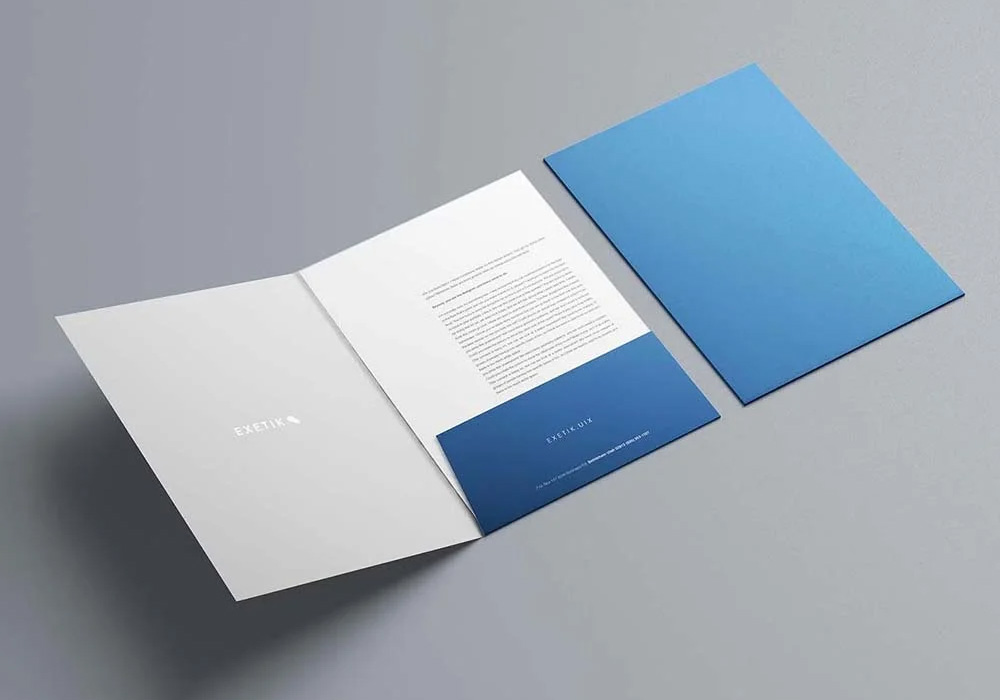
A well-designed folder does more than hold papers. It shapes how a proposal, welcome pack, report, or presentation feels at first glance. The right choice supports clear organization and gives each document a polished place. Details can influence how recipients remember the materials.
Custom printed folders can carry brand colors, contact details, and useful design features in one practical item. Their value depends on material, layout, print quality, and day-to-day use. A thoughtful selection keeps loose pages tidy during meetings. The points below help turn a basic folder into a useful part of any professional package.
Choose The Right Folder Size
Folder size should match the papers placed inside it. Standard letter-size folders suit common documents, while larger formats help with brochures, certificates, or product sheets. A proper size keeps edges neat and reduces awkward folds. It also gives each insert enough room without leaving excessive space.
Pocket depth also affects how much the folder can hold. Shallow pockets work well for a few pages, while deeper pockets support thicker packs. The contents should sit securely without crowding the cover. A sample pack can help confirm the best depth before production begins.
Check The Paper Stock
Paper stock affects feel, strength, and overall presentation. A sturdy cover gives the folder structure and protects the pages inside. Lighter stock can suit short handouts, while heavier card creates a more substantial finish. The intended use should guide the weight rather than appearance alone.
Texture also changes the way printed folders feel in the hand. Smooth stock supports crisp graphics and clean text. Uncoated stock gives a softer surface that can feel warm and easy to write on. Each option creates a distinct recipient experience.
Review The Printing Method
Print quality plays a major role in the final result. Sharp text, even color, and clean edges help the design look accurate. Fine details need a process that keeps logos and small type clear. Simple artwork still benefits from precise ink coverage.
Color matching deserves close attention as well. Brand shades should appear consistent across folders, cards, and other printed pieces. A printed proof can reveal subtle color shifts before the full order moves ahead. Clear approval standards help keep the finished batch visually consistent.
Plan The Pocket Layout
Pocket placement should support the way recipients use the folder. Two pockets create a balanced layout for separate document groups. A single pocket can suit simple packs that need quick access. The chosen format should reflect the order in which people read the materials.
Useful extras can improve the inside design. Business card slots, brochure cuts, and reinforced tabs give each item a set place. These details keep the folder tidy and make the contents easier to review. Well-placed cuts also prevent cards and inserts from slipping during transport.
Select A Suitable Finish
A finish protects the printed surface and changes its appearance. Gloss coating gives colors a bright, smooth look. Matte coating creates a soft feel and reduces surface glare. Both options can help the cover resist light marks from handling.
Special finishes can add interest without making the design feel busy. Foil details, raised ink, or spot coating can draw attention to a logo or title. A restrained finish keeps the folder polished and easy to handle. One chosen accent gives the cover enough character.
Keep The Design Clear
A clear design helps people notice the most useful details first. The front cover can feature a logo, short message, or event title. Enough open space keeps the layout calm and readable. Strong contrast also helps key text stay clear under different lighting.
The inside panels also deserve careful planning. Contact details, website information, or service notes can sit near the pockets. Each element should support the folder’s purpose instead of filling empty space. Consistent type sizes and spacing create a smooth path across the layout.
Consider Practical Use
The folder should suit the setting where it will appear. A sales kit may need room for several sheets and a card. A training pack may need labeled sections and stronger pockets. Event materials may call for a compact format that guests can carry easily.
Storage and transport also affect the choice. Flat folders stack easily and travel well in boxes or bags. Durable edges help each piece stay neat through handling, mailing, and repeated use. Accurate quantity planning can also reduce excess storage and keep supplies manageable.
A good folder brings structure, clarity, and a polished feel to printed materials. Custom printed folders work best when size, stock, print, pockets, finish, design, and use all support the same purpose. Careful choices help documents stay neat and easy to share. The result feels useful, professional, and ready for real work.