Introduction
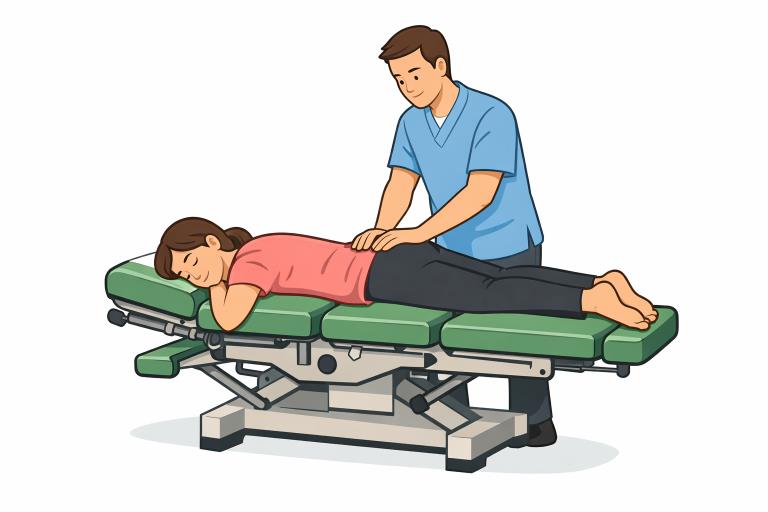
Chiropractic care is a holistic approach to health that focuses on diagnosing and treating musculoskeletal and neuromuscular issues through manual adjustments and specialized techniques. Many people consider chiropractic care for relief from back pain, neck discomfort, and a variety of other conditions, including infantile colic. This form of healthcare often emphasizes non-invasive interventions that can complement or, in some cases, reduce the need for medication or surgical procedures.
Understanding the different chiropractic methods available can empower individuals to make better health decisions tailored to their needs. The following breakdown explores several common chiropractic techniques and their key benefits, helping you determine which approach may be best for your specific health concerns.
Diversified Technique
The Diversified Technique is the most practiced chiropractic intervention in the world. It involves fast, shallow thrusts performed with precise hand placements to realign joints and restore their proper motion. Used primarily on the spine but also applicable to other joints, the diversified technique is known for producing the familiar “popping” or “cracking” sounds associated with chiropractic adjustments. Patients who experience this method often report immediate relief from joint stiffness and improved mobility. According to the Spine-Health resource, this technique is widely accepted due to its adaptability and effectiveness across a range of musculoskeletal problems.
Activator Method
The Activator Method is a gentle, low-force option ideal for individuals who might find manual manipulation uncomfortable or intimidating. Using a small, handheld instrument called the Activator Adjusting Instrument, chiropractors deliver a controlled, quick impulse to the target area. This approach aims to increase spinal movement and reduce nerve pressure while minimizing physical effort. Children, seniors, and those with acute pain often benefit the most from the Activator Method, as it avoids extensive twisting and turning of the body. Notably, this method has also found a place in maintenance chiropractic care programs, since its precision suits repeated or regular adjustments over time. Patients who are anxious about traditional methods often feel more at ease knowing their comfort is prioritized with the Activator Method.
Gonstead Adjustment
The Gonstead Method sets itself apart by conducting a detailed evaluation before any adjustment is made. Chiropractors using this technique rely on visual assessments, palpation, x-rays, and, sometimes, temperature measurements to precisely identify spinal misalignments. The actual adjustment involves targeted, hands-on thrusts to correct spinal subluxations while minimizing unnecessary movement in surrounding areas. This technique is particularly effective at addressing localized pain and improving posture. Over time, consistent Gonstead adjustments may improve overall body biomechanics, reducing the risk of recurring injuries or chronic pain episodes. Additionally, because of its data-driven foundation, many patients appreciate the transparent, step-by-step nature of the Gonstead approach.
Flexion-Distraction
Flexion-Distraction, also referred to as the Cox Method, is a gentle treatment often used to manage herniated discs and related nerve pain. Patients are placed on a specially designed table that slowly stretches and flexes the spine in controlled, rhythmic motions. This approach reduces pressure on spinal nerves and increases spinal mobility, making it a preferred option for individuals with sciatica, spinal stenosis, and disc degeneration. For those seeking a less forceful form of chiropractic adjustment, the Cox technique can offer meaningful relief. One advantage of Flexion-Distraction is its adaptability for use with patients in severe pain or those who have difficulty lying flat for extended periods. Chiropractors can customize both the rhythm and intensity of the table movements, ensuring a tailored experience for each case. When flexion-distraction and other conservative approaches don’t resolve symptoms, patients with contained lumbar herniations often face a gap between conservative care and surgery, an area where minimally invasive image-guided options are now being studied.
Thompson Drop-Table Technique
Another innovative chiropractic method involves the use of a drop table, which is constructed with segments that can be raised and then dropped slightly during the chiropractor’s thrust. The Thompson Drop-Table Technique uses gravity to aid in realigning joints and restoring healthy nerve communication. Research, including a small 2019 study, suggests the drop technique may improve disk height and leg mobility in people with herniated disks. This technique is notable for the minimal discomfort patients experience during the adjustment. The combination of a cushioned table and gravity-supported thrust means this technique can be beneficial for patients who are larger, have limited mobility, or are concerned about the intensity of other adjustment types. Furthermore, the drop-table often enables practitioners to address multiple spinal segments in one session, improving efficiency and comfort.
Spinal Mobilization
Spinal mobilization is an excellent alternative for individuals who require a gentle touch. This method involves slow, controlled movements to gradually ease joints and muscles into a greater range of movement. It is especially suitable for those with highly sensitive joints, such as the elderly or individuals recuperating from traumatic injuries. The primary objective of spinal mobilization is to relieve pain, increase flexibility, and promote healing without the use of forceful manipulations. For a broader perspective on how such gentle methods can benefit joint health, visit the Mayo Clinic overview of chiropractic care. Patients who participate in spinal mobilization may also receive tailored home exercises to supplement their in-office care. These exercises, along with chiropractors’ ergonomic advice, support ongoing progress between appointments and contribute to long-term spinal health.
Spinal Decompression Therapy
Spinal decompression therapy is a specialized approach that aims to relieve chronic back and neck pain by gently stretching the spine. Using a traction table or a similar device, the therapy reduces pressure within the spinal discs, making it particularly effective for herniated or bulging discs and degenerative disc disease. By alleviating this pressure, nutrients and oxygen can better reach damaged areas and facilitate healing over time. This method is popular among individuals who wish to avoid surgical interventions while managing persistent spinal issues. Sessions typically last 30-45 minutes and are often performed as part of a broader treatment program that may include exercise or physical therapy modalities. For those with recurring spinal discomfort, spinal decompression therapy can provide long-lasting improvement and a renewed sense of mobility.
Additional Considerations in Chiropractic Care
When pursuing chiropractic care, several additional considerations can inform your decision-making process. Many chiropractors use a multimodal approach, combining two or more techniques for a comprehensive treatment plan. Complementary therapies such as massage, therapeutic exercises, or lifestyle advice are frequently integrated to support patient recovery and promote better overall health outcomes. Communication between patient and practitioner is essential for identifying the most effective combination of techniques and tracking progress. In addition, as chiropractic medicine continues to evolve, new methods and supportive technologies are regularly being introduced, broadening the range of options available to patients.
Conclusion
Each chiropractic technique serves a unique role in the management of musculoskeletal and neuromuscular disorders. Whether you are dealing with acute pain, chronic conditions, or simply seeking preventive care, understanding your options is key to effective treatment. Consulting with a qualified chiropractor can help you determine the most appropriate technique for your individual needs, leading to better health and mobility.