Spectrum of Modern Cosmetic and Aesthetic Treatments
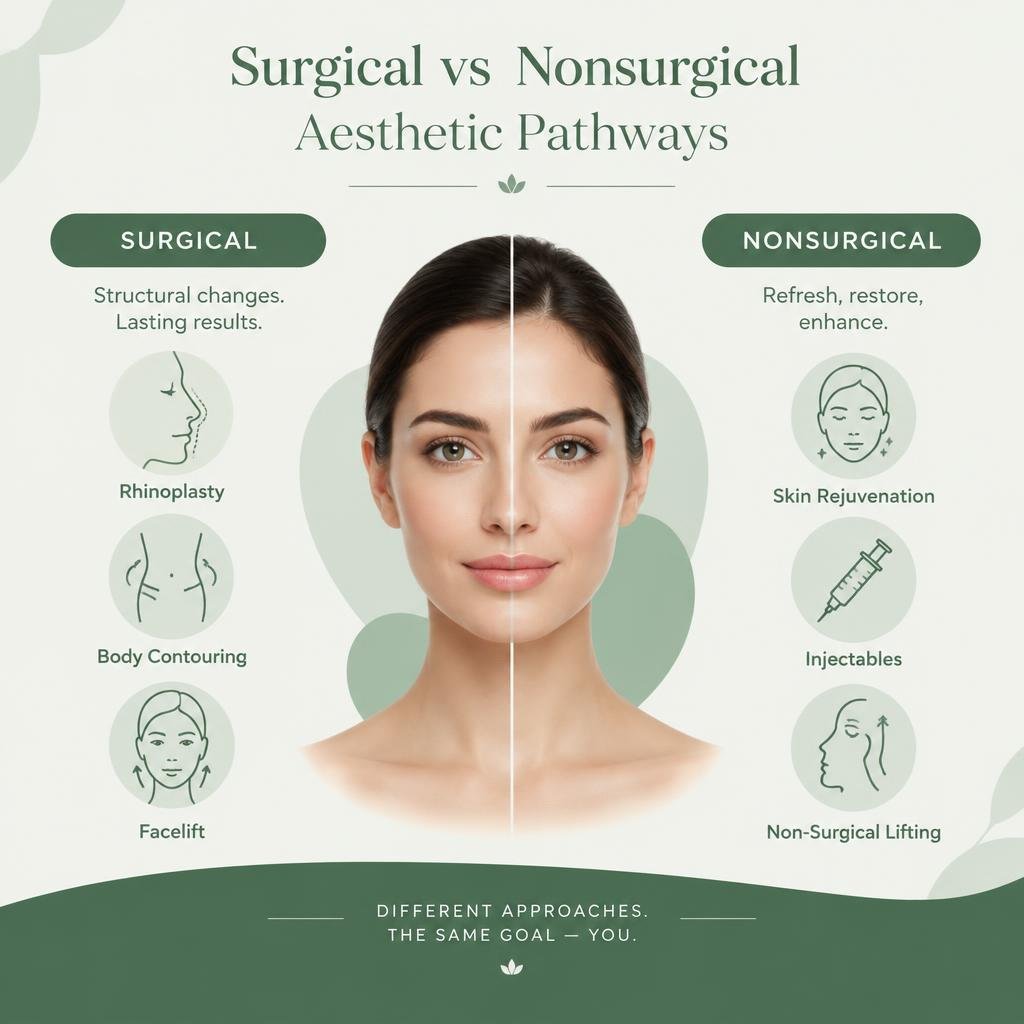
The realm of cosmetic and aesthetic treatments in September 2026 is broader and more sophisticated than ever, offering a diverse array of options to address various concerns, from anti-aging to body contouring. We categorize these interventions into surgical modalities for more significant structural changes and non-surgical procedures, which often focus on skin quality, volume restoration, and dynamic wrinkle reduction. Patient selection is paramount, ensuring that the chosen treatment aligns with individual goals, health status, and realistic expectations.
Surgical Interventions and Structural Adjustments
Surgical cosmetic procedures are designed for more dramatic and lasting transformations, often involving structural restoration, tissue repositioning, or anatomical harmony. These interventions address concerns that non-surgical methods cannot, such as significant skin laxity, excess fat, or bone and cartilage reshaping. Common surgical procedures include:
- Rhinoplasty: Often referred to as a “nose job,” this procedure reshapes the nose to improve its proportion and overall facial harmony.
- Rhytidectomy (Facelift): This surgery addresses visible signs of aging in the face and neck, tightening underlying muscles, redistributing fat, and redraping skin.
- Blepharoplasty (Eyelid Surgery): Corrects drooping eyelids and removes excess skin, muscle, and fat, improving the appearance of the eyes.
- Abdominoplasty (Tummy Tuck): Removes excess fat and skin from the abdomen and, in most cases, restores weakened or separated muscles, creating a smoother, firmer abdominal profile.
- Breast Augmentation/Lift: Procedures to increase breast size or lift sagging breasts, restoring a more youthful contour.
- Liposuction: A fat-removal technique that sculpts specific areas of the body.
For individuals seeking comprehensive transformations, particularly after significant weight loss or to achieve specific body contours, exploring advanced body-contouring techniques can provide tailored solutions. These might include combinations of liposuction, skin excision, and fat grafting to sculpt and refine the physique.
Minimally Invasive Cosmetic and Aesthetic Treatments
Minimally invasive and non-surgical treatments have seen exponential growth due to their convenience, reduced downtime, and often lower cost compared to surgery. These procedures are excellent for addressing early signs of aging, improving skin texture, and enhancing facial features without incisions. Key treatments in this category include:
- Dermal Fillers: Injectable gels, often hyaluronic acid-based, used to restore volume, smooth wrinkles, and enhance facial contours (e.g., lips, cheeks, jawline).
- Chemical Peels: Solutions applied to the skin to exfoliate and remove damaged outer layers, improving skin tone, texture, and reducing fine lines.
- Laser Resurfacing: Uses concentrated light beams to remove skin layer by layer, stimulating collagen production and treating wrinkles, scars, and pigmentation issues.
- Neuromodulators (e.g., Botulinum Toxin): Injected into muscles to temporarily relax them, reducing the appearance of dynamic wrinkles caused by facial expressions.
- Microdermabrasion: A gentle exfoliation technique that removes the outermost layer of dead skin cells, improving skin texture and brightness.
- Laser Hair Removal: Uses laser light to target and destroy hair follicles, leading to long-term hair reduction.
These treatments often complement each other, and their effectiveness can be significantly enhanced by a robust at-home regimen. Incorporating personalized anti-aging skincare, tailored to an individual’s specific skin type and concerns, is crucial for maintaining and extending the results of professional treatments.
Clinical Protocols and Neuromodulator Administration
Neuromodulators, particularly onabotulinumtoxinA (commonly known as Botox Cosmetic), represent a cornerstone of modern aesthetic practice. Their mechanism of action involves inhibiting the release of acetylcholine at the neuromuscular junction, temporarily paralyzing the targeted muscle and thereby reducing dynamic wrinkles. Precise injection mechanics, including dilution ratios and sterile reconstitution, are critical for both safety and efficacy.
Anatomical Landmarks and Line Dosing
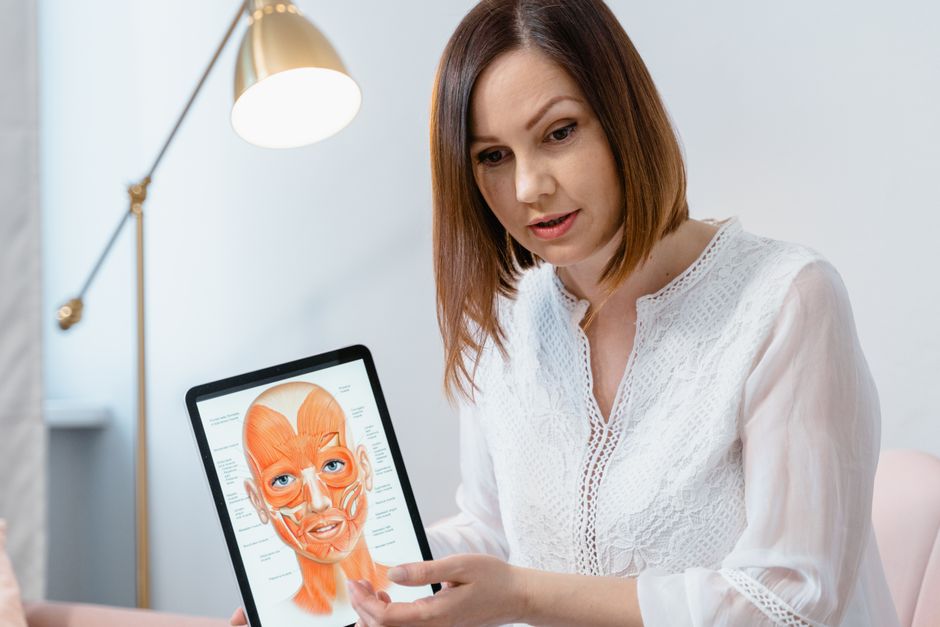
The administration of neuromodulators requires a deep understanding of facial anatomy to achieve optimal results and minimize adverse effects. The recommended dosage and administration protocol for Botox Cosmetic vary significantly depending on the specific treatment area:
- Glabellar Lines (Frown Lines): These vertical lines between the eyebrows are typically treated with a total of 20 Units, divided into five injection sites (4 Units per site). The injections target the procerus muscle and the corrugator supercilii muscles. Clinical trials have consistently demonstrated significant temporary improvement in moderate to severe glabellar lines.
- Lateral Canthal Lines (Crow’s Feet): These lines around the eyes are treated with a total of 24 Units, divided into six injection sites (4 Units per site) in the orbicularis oculi muscle.
- Forehead Lines: Horizontal lines on the forehead are treated with a total of 20 Units, divided into five injection sites (4 Units per site) across the frontalis muscle. This treatment is often combined with glabellar line treatment.
- Platysma Bands: While not an FDA-approved indication, some practitioners use Botox off-label to relax prominent platysma bands in the neck, which can contribute to a “turkey neck” appearance. The dosage for this area is highly individualized and requires advanced anatomical knowledge.
Precise injection depth and unit titration are essential. Avoiding injection too close to the levator palpebrae superioris muscle, for instance, is crucial to prevent eyelid ptosis (drooping), a common concern. The product is reconstituted with preservative-free 0.9% saline to achieve a concentration of 4 Units/0.1 mL, and the reconstituted product must be used within 24 hours and stored at 2-8°C.
Demographic Variations in Cosmetic and Aesthetic Treatments
The safety and efficacy of Botox Cosmetic can differ between younger and older patients due to various factors related to chronological aging, skin elasticity, and muscle mass.
- Younger Patients: Often seek preventative treatment for early signs of dynamic wrinkles. Their skin typically has better elasticity, and muscle mass may be more robust, potentially leading to more predictable and longer-lasting results from neuromodulators. However, appropriate dosing is still crucial to avoid an “overdone” or frozen look.
- Older Patients: May have more established, static wrinkles in addition to dynamic ones, requiring a combination approach that might include fillers or resurfacing alongside neuromodulators. Reduced skin elasticity and muscle tone can influence the outcome, and practitioners may need to adjust dosing or injection techniques. Clinical trials have shown comparable efficacy across adult age groups, but the aesthetic goals and potential for complementary treatments often differ. The duration of effects and frequency of treatments for Botox Cosmetic generally average 3-4 months across patient demographics, though individual metabolic rates and muscle activity can cause variations. Maintenance intervals are typically scheduled around this timeframe to sustain results.
Safety Considerations, Pharmacology, and Risk Management
Patient safety is the paramount concern in all cosmetic and aesthetic treatments. For neuromodulators like Botox Cosmetic, understanding the pharmacology, potential adverse reactions, and specific warnings is critical. We meticulously evaluate each patient to ensure the treatment is appropriate and safe.

Boxed Warnings and Systemic Precautions
A significant safety concern with botulinum toxin products, including Botox Cosmetic, is the boxed warning about the distant spread of toxin effect. This warning indicates that the botulinum toxin may spread from the injection site to other areas of the body, potentially causing systemic symptoms consistent with botulinum toxin effects. These symptoms can include:
- Dysphagia (difficulty swallowing)
- Respiratory compromise (breathing difficulties)
- Generalized muscle weakness
- Ptosis (drooping eyelids) or diplopia (double vision)
- Loss of voice or difficulty speaking
While rare in cosmetic applications, these serious adverse reactions can occur hours to weeks after injection and may be life-threatening. Patients should be informed about these potential risks and instructed to seek immediate medical attention if they experience any such symptoms. This risk is particularly elevated in patients with pre-existing neuromuscular disorders.
Common, localized adverse reactions are generally mild and temporary, including localized pain, swelling, bruising, and headache. Eyelid ptosis, occurring in about 3% of glabellar line treatments, and eyelid edema (about 1% for lateral canthal lines) are also noted.
Pharmacological Interactions and Contraindications
A thorough medical history is essential to identify potential drug interactions and contraindications for Botox Cosmetic:
- Drug Interactions:Aminoglycosides: These antibiotics (e.g., gentamicin, tobramycin) can potentiate the effects of botulinum toxin, increasing the risk of systemic spread and muscle weakness.
- Other Agents Interfering with Neuromuscular Transmission: Concomitant use with other neuromuscular blocking agents or drugs that affect neuromuscular function (e.g., succinylcholine, curare-like agents) can also enhance the effects of Botox Cosmetic.
- Anticholinergic Drugs: While less common, anticholinergic agents could theoretically exacerbate certain side effects.
- Other Botulinum Neurotoxin Products: Using different botulinum toxin products simultaneously or in close succession is contraindicated due to the risk of cumulative effects.
- Contraindications:Known Hypersensitivity: Patients with a known hypersensitivity to any botulinum toxin preparation or to any of the excipients (e.g., human albumin) should not receive treatment.
- Infection at the Injection Site(s): Treatment should be postponed if there is an active infection or inflammation at the proposed injection sites.
- Pre-existing Neuromuscular Disorders: Patients with conditions like myasthenia gravis, Lambert-Eaton syndrome, or amyotrophic lateral sclerosis (ALS) are at significantly increased risk of clinically significant systemic effects, including severe dysphagia and respiratory compromise, even with standard doses.
- Pregnancy and Lactation: Botox Cosmetic is contraindicated during pregnancy and lactation due to insufficient data on safety.
We meticulously screen patients for these factors to ensure the highest standard of care and minimize risks.
Consultation Standards and Post-Treatment Protocols
A successful aesthetic journey begins with a comprehensive consultation and extends through meticulous post-treatment care. Our approach prioritizes patient education, safety, and achieving realistic aesthetic objectives.
Provider Selection and Pre-Procedure Planning
Choosing a qualified and experienced practitioner is perhaps the most critical step for any patient considering cosmetic and aesthetic treatments. We strongly advise patients to:
- Verify Board Certification: For surgical procedures, select a board-certified plastic surgeon. Board certification signifies that the surgeon has met rigorous standards of training, expertise, and ethical conduct. For non-surgical treatments, ensure the practitioner (e.g., dermatologist, physician assistant, nurse injector) is highly trained, experienced, and works under the supervision of a board-certified physician.
- Review Credentials and Experience: Inquire about their specific experience with the desired procedure, including the number of cases performed.
- Assess Facility Accreditation: If considering surgery, ensure the surgical facility is accredited, meeting stringent safety standards.
- Thorough Consultation: A quality consultation should involve:
- Discussion of Aesthetic Objectives and Patient Expectations: A clear understanding of what the patient hopes to achieve and a realistic assessment of what can be accomplished.
- Comprehensive Medical History Review: Including current medications (e.g., blood thinners, supplements), allergies, and any pre-existing medical conditions.
- Physical Examination and Baseline Photography: To document the initial state and aid in treatment planning.
- Detailed Risk Disclosure: A transparent discussion of all potential benefits, risks, and possible complications.
- Medication Review: To identify any potential drug interactions, especially for neuromodulators, as discussed previously.
Recovery Guidelines and Warning Signs
Post-treatment care instructions are crucial for optimizing results and managing potential side effects. Patients should receive clear guidance on:
- Edema Management and Localized Bruising: Common after injections or surgery. Instructions may include applying cold compresses, avoiding strenuous activity, and elevating the head.
- Post-Procedure Positioning: Specific instructions, such as avoiding lying flat for several hours after neuromodulator injections, help prevent product migration.
- Physical Activity Restrictions: Patients are typically advised to avoid intense exercise for a specified period to reduce swelling and bruising.
- Infection Surveillance: Instructions on how to keep the treated area clean and what signs of infection (e.g., increasing redness, warmth, pus, fever) to look for.
- Warning Signs Requiring Immediate Medical Attention: Patients must be educated on critical symptoms that necessitate urgent care, especially concerning neuromodulator treatments. These include:
- Breathing difficulties, shortness of breath
- Difficulty swallowing or speaking
- Vision changes (double vision, blurred vision, significant eyelid drooping)
- Severe or persistent pain
- Signs of allergic reaction (rash, hives, itching, swelling of face/throat, dizziness)
- Any other unexpected or severe systemic symptoms.
We provide detailed written instructions and ensure patients understand when and how to contact us or seek emergency care.
Frequently Asked Questions About Aesthetic Interventions
Here we address some of the most common questions patients have regarding cosmetic and aesthetic treatments, particularly focusing on neuromodulators like Botox Cosmetic.
What is the expected duration of neuromodulator results?
The duration of effects for neuromodulators like Botox Cosmetic typically ranges from 3 to 4 months. This timeframe can vary slightly among individuals due to factors such as metabolism, muscle activity, and the specific area treated. After this period, muscle reactivation gradually occurs, and dynamic wrinkles begin to reappear. To maintain the desired aesthetic outcome, patients usually schedule retreatment sessions based on their individual response and the recurrence of muscle activity. While some studies suggest that long-term, consistent use might lead to a slight extension of results over time, the general recommendation for maintenance intervals remains within the 3-4 month window. Cumulative dosing within recommended limits is generally safe and effective.
How do providers prevent eyelid ptosis during facial injections?
Eyelid ptosis, or drooping of the eyelid, is a known but largely avoidable complication of neuromodulator injections, particularly when treating glabellar and forehead lines. Experienced providers employ several strategies to prevent this:
- Anatomical Clearance and Precise Localization: Injecting at specific, established anatomical landmarks and avoiding injection too close to the orbital rim or the levator palpebrae superioris muscle (which lifts the eyelid). For glabellar lines, maintaining at least a 1 cm margin above the central eyebrow is a common practice.
- Slow, Controlled Injection: Administering the product slowly and carefully to prevent unintended spread to adjacent muscles.
- Appropriate Dosing: Using the lowest effective dose for each muscle group to achieve the desired effect without over-relaxing surrounding muscles.
- Patient Positioning: Keeping the patient upright for a few hours post-injection can help minimize migration of the product.
- Avoiding Massage: Instructing patients not to massage or rub the treated areas immediately after injection.
Despite these precautions, a small percentage of patients may still experience transient ptosis. Should it occur, it typically resolves on its own within a few weeks as the neuromodulator’s effects wear off, and in some cases, ophthalmic drops can temporarily alleviate symptoms.
What credentials should patients verify before scheduling a procedure?
Verifying a provider’s credentials is a non-negotiable step for patient safety and optimal results. Before scheduling any cosmetic or aesthetic procedure, patients should confirm the following:
- Board Certification: For surgical procedures, ensure the surgeon is board-certified by the American Board of Plastic Surgery (or an equivalent recognized board in their specialty). This indicates extensive training, rigorous examination, and adherence to high standards of patient care. For non-surgical treatments, confirm that the supervising physician is board-certified in a relevant specialty (e.g., dermatology, plastic surgery) and that the injector (if not a physician) is a licensed and highly trained professional (e.g., Registered Nurse, Physician Assistant) with specific certification in aesthetic injections.
- Surgical Training and Experience: Inquire about their specific training in aesthetic medicine and how long they have been performing the procedure you are interested in. Experience often correlates with better outcomes and a deeper understanding of potential complications.
- Facility Accreditation: If the procedure is performed in an office-based surgical suite, verify that the facility is accredited by recognized organizations (e.g., AAAASF, AAAHC, JCAHO). This ensures the facility meets strict safety standards for equipment, personnel, and emergency protocols.
- Clinical Experience and Specialization: While a general practitioner might offer some aesthetic services, a provider who specializes in cosmetic and aesthetic treatments will likely have more advanced knowledge, techniques, and a better eye for aesthetic balance.
- Patient Safety Record: While not always publicly accessible, asking about their approach to patient safety, complication rates, and how they manage adverse events can provide insight into their practice.
A reputable provider will be transparent about their qualifications and happy to provide this information. We believe that informed patients make the best decisions for their health and aesthetic goals.
Conclusion
The evolution of cosmetic and aesthetic treatments continues to offer remarkable opportunities for rejuvenation and enhancement. From advanced surgical techniques that redefine contours to sophisticated non-surgical options that refine and revitalize, the landscape is rich with possibilities. Our commitment is to evidence-based care, ensuring that every treatment plan is individualized and executed with anatomical precision and the highest standards of procedural safety.
Patient education remains a cornerstone of our practice. By thoroughly understanding the mechanisms of action, such as acetylcholine inhibition by neuromodulators, the importance of precise dosing, and the nuances of demographic variations, patients can approach their aesthetic journey with confidence. Critically, awareness of potential risks, including the boxed warning regarding distant spread of toxin effect and specific pharmacological interactions, empowers patients to make informed decisions and ensures proactive risk management.
Achieving optimal aesthetic outcomes is a collaborative effort. It necessitates a diligent provider selection process, comprehensive pre-procedure planning, and adherence to meticulous post-treatment protocols. As we look to the future, the integration of cutting-edge research and personalized care will continue to shape the exciting and transformative world of cosmetic and aesthetic treatments.