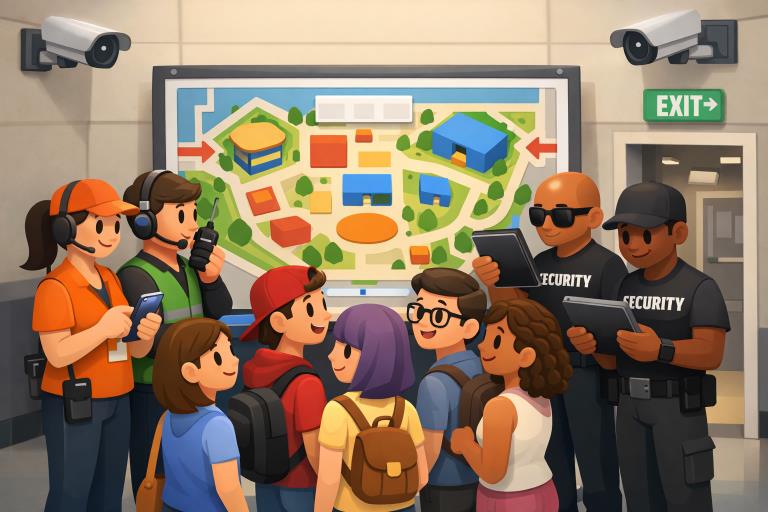
Ensuring the well-being of attendees has become an essential priority for event organizers, given the evolving landscape of security risks. Employing security services that use modern approaches can help mitigate threats and ensure every participant enjoys the event with peace of mind. Modern event safety goes beyond physical protections, integrating robust technology, clear communication, and ongoing evaluation to stay ahead of emerging risks.
Both event organizers and participants expect proactive measures that not only address potential dangers but also contribute to a welcoming environment. Technologies like biometric access control and real-time communication channels can provide a strong safety net, but the human element, collaboration with authorities, and continuous training remain just as vital. Understanding how to combine these tools with best practices prepares organizers to deliver safe and memorable experiences.
Comprehensive Risk Assessment
Every successful event starts with a thorough risk assessment. This foundational step involves identifying possible security threats such as accidents, natural disasters, or acts of violence, then analyzing vulnerabilities unique to the event’s location, size, and type. Organizers should use industry-standard risk assessment checklists and collaborate with professionals to cover all scenarios. The goal is to anticipate challenges and establish proactive measures, from adjusting venue access points to integrating crowd control barriers, that reduce the chance of incidents occurring.
Advanced Security Technologies
Technology continues to transform event safety. Security teams employ advanced tools like facial recognition for attendee verification, surveillance cameras powered by artificial intelligence, and biometric access controls that restrict entry to authorized individuals. These technologies can monitor large crowds and instantly alert staff to unusual behavior. Cloud-based communication and real-time data analysis further enhance oversight, allowing rapid response to changing situations. Staying updated with innovations like drone surveillance or digital ticket authentication adds another layer of protection and efficiency at modern events.
Effective Communication Strategies
Clear communication is a cornerstone of event safety. Establishing strong communication channels among staff, security, vendors, and attendees enables the quick relay of information. Mobile apps, group text alerts, and public address systems provide real-time updates on schedules, changes, or emergency protocols. It is important to offer multilingual information where appropriate, ensuring every attendee can access critical directions. Well-informed guests are more likely to remain calm and respond appropriately if a threat or emergency arises.
Collaboration with Local Authorities
Engagement with local law enforcement, fire departments, and medical services is critical. Involving these stakeholders early in the planning stage fosters a coordinated response and provides access to specialized resources and expertise. Local authorities can assist with risk assessment, crowd control, and establishing evacuation procedures. Such collaboration ensures that the event complies with regional regulations and benefits from insights on local risks that might be unfamiliar to national or international organizers.
Crowd Management Techniques
Managing large gatherings requires careful planning to prevent bottlenecks and maintain a comfortable environment for attendees. Effective strategies include creating controlled entry and exit points, using clear and visible signage, and designing designated pathways to guide foot traffic. Trained staff should be present to monitor crowd density and use data from advanced surveillance systems to detect potential issues before they escalate. A focus on proactive crowd management can prevent injuries, confusion, and dangerous overcrowding at critical points, such as entrances or food service areas.
Emergency Response Planning
Every event should have a comprehensive emergency response plan in place. This blueprint outlines the procedures for addressing different emergency scenarios, including medical incidents, fires, natural disasters, and security threats. Regular drills and simulations familiarize staff and volunteers with their roles, making actual responses more organized and effective. Clear evacuation routes and assembly points must be communicated to both staff and attendees. Protocols for coordinating with first responders and communicating with the public are equally important in minimizing harm and confusion during emergencies.
Continuous Training and Evaluation
Event safety is a dynamic challenge that requires ongoing adaptation. Regular workshops, industry seminars, and scenario-based training sessions keep security personnel and staff updated on evolving threats and new technologies. Evaluating team performance and soliciting post-event feedback helps identify gaps and opportunities for improvement. By fostering a culture of continuous learning, organizers ensure that their security strategies evolve alongside emerging risks and technological advancements.
Conclusion
Modern event safety demands a holistic approach. Combining thorough risk assessments, leading-edge technologies, strong communication, collaboration with local authorities, proactive crowd management, robust emergency response planning, and continuous evaluation gives event organizers the tools to protect every attendee. With careful planning and ongoing vigilance, safe and successful events are not only possible but expected in today’s environment.