xAfter a serious collision, people comparing their options may consult an Atlanta personal injury lawyer at Weatherby Law Firm. The firm’s Atlanta personal injury page explains its trial-ready representation for people harmed in car accidents, truck crashes, wrongful death cases, and other serious injury matters in Atlanta and nearby communities, including Decatur, Marietta, and Sandy Springs.
Evidence is often the difference between a clear account of a crash and a dispute based on fading memories. The checklist below can help Atlanta drivers and passengers protect useful records while they focus on recovery.
Why Accident Evidence Matters
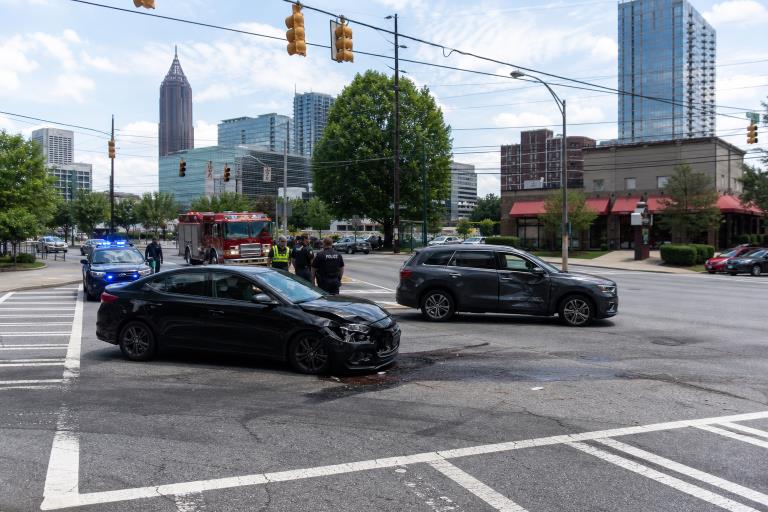
A claim generally depends on proof of what happened, who was responsible, what injuries occurred, and how the crash caused financial or personal losses. At a busy Atlanta intersection, debris is cleared, vehicles are moved, and traffic patterns return to normal quickly. Witness recollections can become less certain just as quickly. Georgia’s highway safety efforts reflect the ongoing risks that come with heavily traveled roads, where a few missing details can matter.
Georgia’s comparative fault rules can also make documentation important. If more than one person may share responsibility, the available recovery may be reduced by the injured person’s percentage of fault. Objective records are more useful than guesses or arguments at the roadside.
What To Save During the First Few Hours
Put Safety First
Move out of traffic if it is safe, call 911 when injuries or significant damage are involved, and seek emergency care when needed. Do not step into moving traffic, enter an unsafe vehicle, or delay treatment to take pictures. A passenger or trusted person can help document the scene.
Collect Basic Details
- Names, phone numbers, driver’s license details, license plates, and insurance information.
- Vehicle make, model, color, and visible damage.
- Witness names and contact information.
- The responding officer’s name, badge number, and report number, if available.
- The exact location, approximate time, weather, and road conditions.
How To Take Useful Photos and Videos
Take both close and wide photos. Close shots can show a crushed bumper, broken glass, airbag deployment, fluid leaks, injuries, or a damaged child seat. Wide shots can show lane markings, traffic signals, signs, roadwork, nearby businesses, poor lighting, and the final position of each vehicle. A damaged bumper alone may not explain whether a vehicle was blocked from merging or whether an obscured sign contributed to the collision.
Keep original image and video files whenever possible. Avoid filters, heavy editing, or sending the only copy through an app that lowers quality. Photograph injuries as soon as practical and periodically during the healing process.
Witnesses and Police Reports
Ask neutral witnesses for their names and phone numbers before they leave. Write down what each person says they observed, without pushing them to assign blame. Save any texts or emails that help identify them.
Request the police report when it becomes available and review basic facts, such as names, vehicle information, location, and reported statements. A report can be valuable, but it may not resolve every issue about fault. Note inaccuracies promptly and retain a copy with the rest of the crash file.
Medical Records and Treatment
Get medical attention promptly, even if symptoms initially seem minor. Some pain, dizziness, stiffness, or headaches may appear later. Follow reasonable treatment recommendations, attend follow-up appointments, and save discharge instructions, diagnostic results, prescriptions, referrals, invoices, and insurance explanations of benefits.
Keep a brief daily log describing pain levels, sleep disruption, mobility limits, missed work, and activities you cannot perform normally. Be accurate. The goal is to preserve a contemporaneous record, not to exaggerate symptoms.
Preserving Dashcam, Phone, and Vehicle Data
Save dashcam footage immediately because many devices overwrite old recordings. Back it up in a secure location, preserve the original file, and avoid trimming or renaming it. Identify nearby stores, homes, parking garages, and intersections that may have cameras, since their recordings may also be overwritten quickly.
Preserve relevant phone photos, navigation history, texts, and call records without deleting material that could matter. Modern vehicles may retain event data relating to speed, braking, steering, seat belt use, and airbag deployment. The vehicle dynamics data recorded by event data recorders can assist crash analysis, but access and downloading may require authorization or appropriate legal procedures.
Tracking Wages, Expenses, and Other Losses
- Save pay stubs, work schedules, tax records, employer letters, and disability paperwork.
- Keep receipts for medication, medical travel, parking, towing, storage, repairs, and rental vehicles.
- Record household help, missed events, and changes to hobbies, exercise, or caregiving duties.
- Separate direct economic losses from less easily measured effects, such as pain, emotional distress, and reduced enjoyment of life.
Mistakes That Can Weaken a Claim
- Posting crash details or injury updates on social media.
- Guessing about speed, fault, or another driver’s actions.
- Giving a recorded statement before reviewing the facts.
- Throwing away damaged clothing, helmets, seats, or personal property.
- Repairing, selling, or disposing of a vehicle before damage and possible data are documented.
- Accepting a settlement before the medical picture is clear.
When Legal Guidance May Help
Consider speaking with a lawyer after serious injuries, a fatality, disputed fault, a commercial vehicle collision, a multi-car crash, or an uninsured driver incident. Early guidance may help preserve surveillance video, vehicle data, witness information, and other records before they are lost. A legal consultation does not replace emergency care, and readers should ask about deadlines, fees, communication, investigation plans, and experience with similar cases.
Frequently Asked Questions
What evidence should be collected at an Atlanta crash scene?
Collect photos, video, driver and witness information, vehicle details, road conditions, and responding officer information when it is safe to do so.
What if the other driver admits fault?
Preserve the statement if possible, but continue collecting objective evidence. An admission at the scene may later be disputed or incomplete.
What if there are no witnesses?
Photos, damage patterns, reports, surveillance footage, vehicle data, and medical records may still help establish what happened.
How long should accident records be kept?
Keep every accident-related document and original digital file until the claim is fully resolved and all applicable deadlines have passed.
Conclusion
After an Atlanta car accident, clear records can be more dependable than memory alone. Prioritize safety and medical care, then preserve photos, reports, witness details, digital files, and financial records as soon as practical. A simple evidence checklist can bring order to a stressful situation and help protect important information before it disappears.