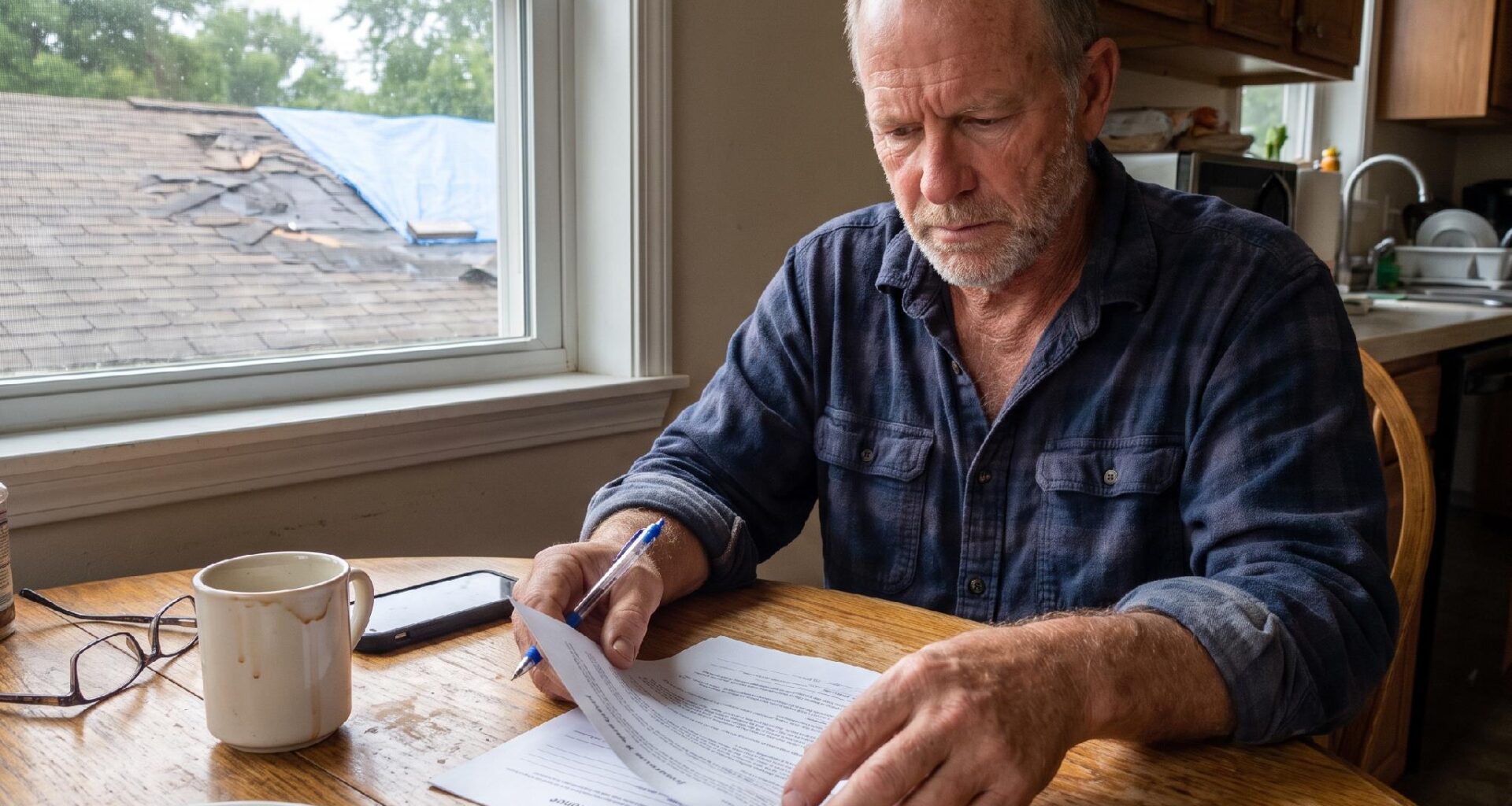
Understanding the claims process helps Virginia homeowners avoid costly missteps after property damage.
Virginia homeowners have watched their insurance bills climb fast. Rates rose roughly 37-38% between 2023 and 2025, one of the steepest jumps in the country heading into 2026, according to Insurance.com’s 2026 State of the Market report. That’s a lot of extra money going out the door every year, and it raises the stakes when something actually goes wrong with the house.
Here’s the problem: paying more doesn’t guarantee a smoother experience when you file a claim. Complaints about how insurers handle claims have been climbing too, and plenty of homeowners find out the hard way that filing correctly matters just as much as having coverage in the first place. This guide walks through how the claim process actually works in Virginia, why so many claims get delayed or shortchanged, and when it makes sense to bring in outside help.
How the Virginia Homeowners Insurance Claim Process Works
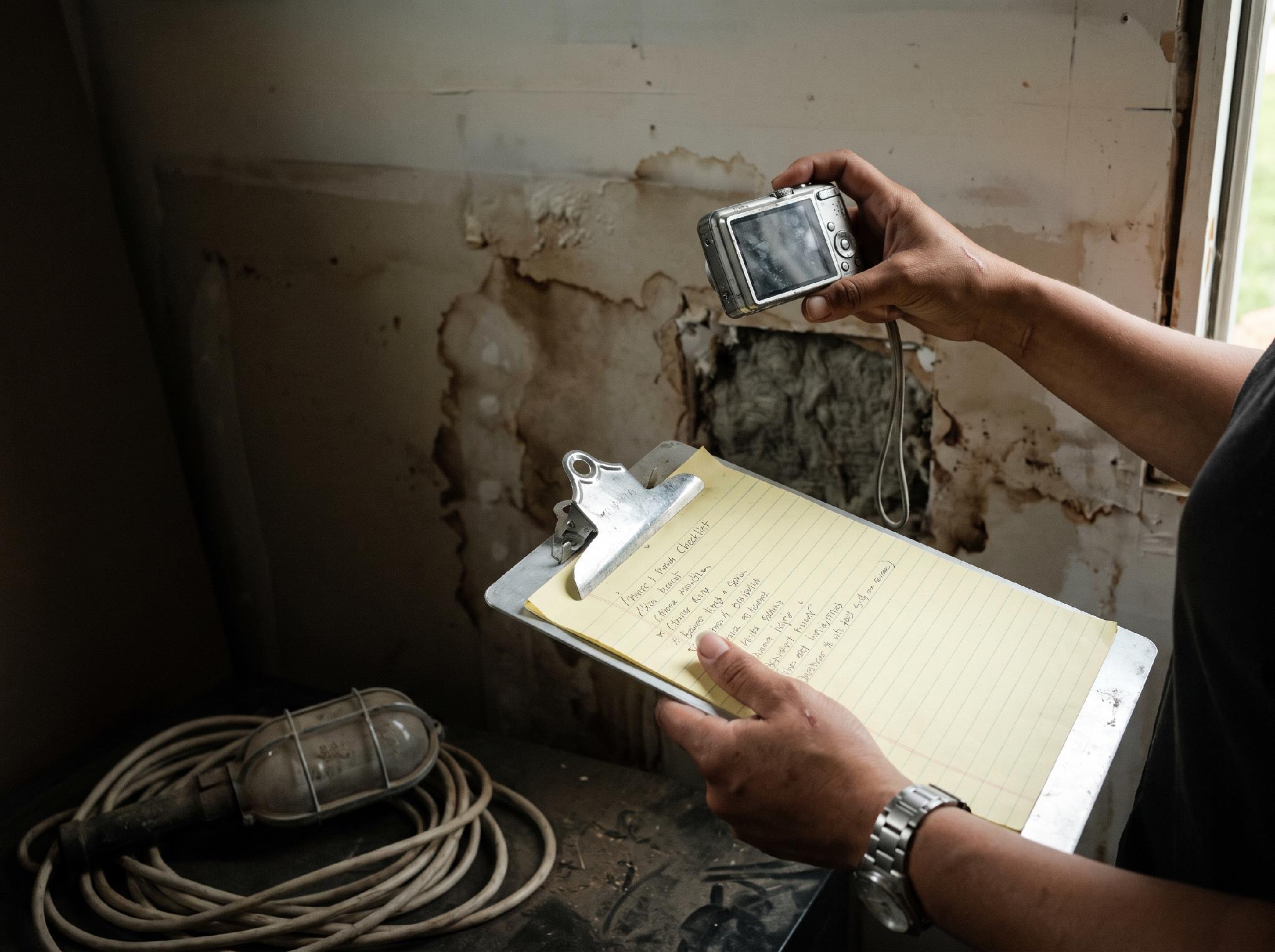
Thorough documentation of damage is one of the most important steps early in a claim.
The average Virginia homeowner pays about $1,840 a year for coverage on a $250,000 dwelling, which is actually about 24% below the national average. That’s the good news. The bad news is that lower premiums haven’t stopped costs from rising steeply in recent years, and every claim you file can affect your renewal rate going forward.
When damage happens, the first 48 hours matter more than most people realize. Photograph everything before you touch or clean up anything. Write down the date, time, and a rough description of what happened while it’s fresh. Then notify your insurer promptly, most policies have a “prompt notice” clause, and dragging your feet can give the company a reason to dispute the claim later.
Don’t accept the insurer’s first repair estimate without getting your own. Contractors who work directly for insurance companies sometimes lowball the scope of work, especially on things like roof decking or hidden water damage that isn’t visible from a quick walkthrough. It’s worth the extra day or two to get an independent quote before you sign anything.
Picture a homeowner in Richmond whose roof takes a beating in a summer hailstorm. The insurer sends an adjuster, does a quick inspection, and comes back with a denial, citing “pre-existing wear” instead of storm damage. That’s a common tactic, and it’s exactly the kind of situation where getting a second opinion pays off. Before accepting a denial or a lowball settlement, that homeowner might reach out to a licensed public adjuster Virginia firm to review the file, document the damage independently, and push back on the insurer’s cause-of-loss determination. It doesn’t guarantee a different outcome, but it puts someone in your corner who isn’t being paid by the same company that’s deciding your payout.
Finally, read your policy’s limits and deductible structure before you file, not after. Wind and hail deductibles in Virginia are often a separate percentage rather than a flat dollar figure, and that distinction can change your payout by thousands of dollars.
Why More Claims Are Being Delayed, Underpaid, or Denied

Rising complaint volumes show many homeowners are struggling with delayed or underpaid claims.
Consumer complaints against home insurers rose 7% nationally in 2025 compared to 2024, the second year in a row that number has climbed, based on NAIC data reported by Insurify’s 2025 complaint trend analysis. Delays in claim handling made up 22% of those complaints, unsatisfactory settlement offers accounted for 13%, and outright denials were 12%. Add it up and roughly half of all complaints trace back to one of three insurer behaviors homeowners run into constantly.
It gets worse when you factor in trust. Only 37% of Americans say they’d trust their insurer to actually help them after an incident, per a 2025 Guardian Service survey cited in the same Insurify report. That’s not a fringe opinion. It’s a majority of policyholders who expect friction before they even file.
Storm-related claims are a growing piece of this picture. U.S. insurers paid an estimated $1.65 billion in lightning-related homeowners claims in 2025, up 59% year over year, with the average lightning claim now sitting at $26,616, roughly 147% higher than it was back in 2017, according to the Insurance Information Institute’s figures. Virginia’s storm season produces plenty of roof and structural damage every summer, and insurers know these claims are expensive. Some adjusters push back harder on cause-of-loss disputes than they used to, which is exactly why documentation matters so much in the first place.
When to Consider Bringing in Professional Help
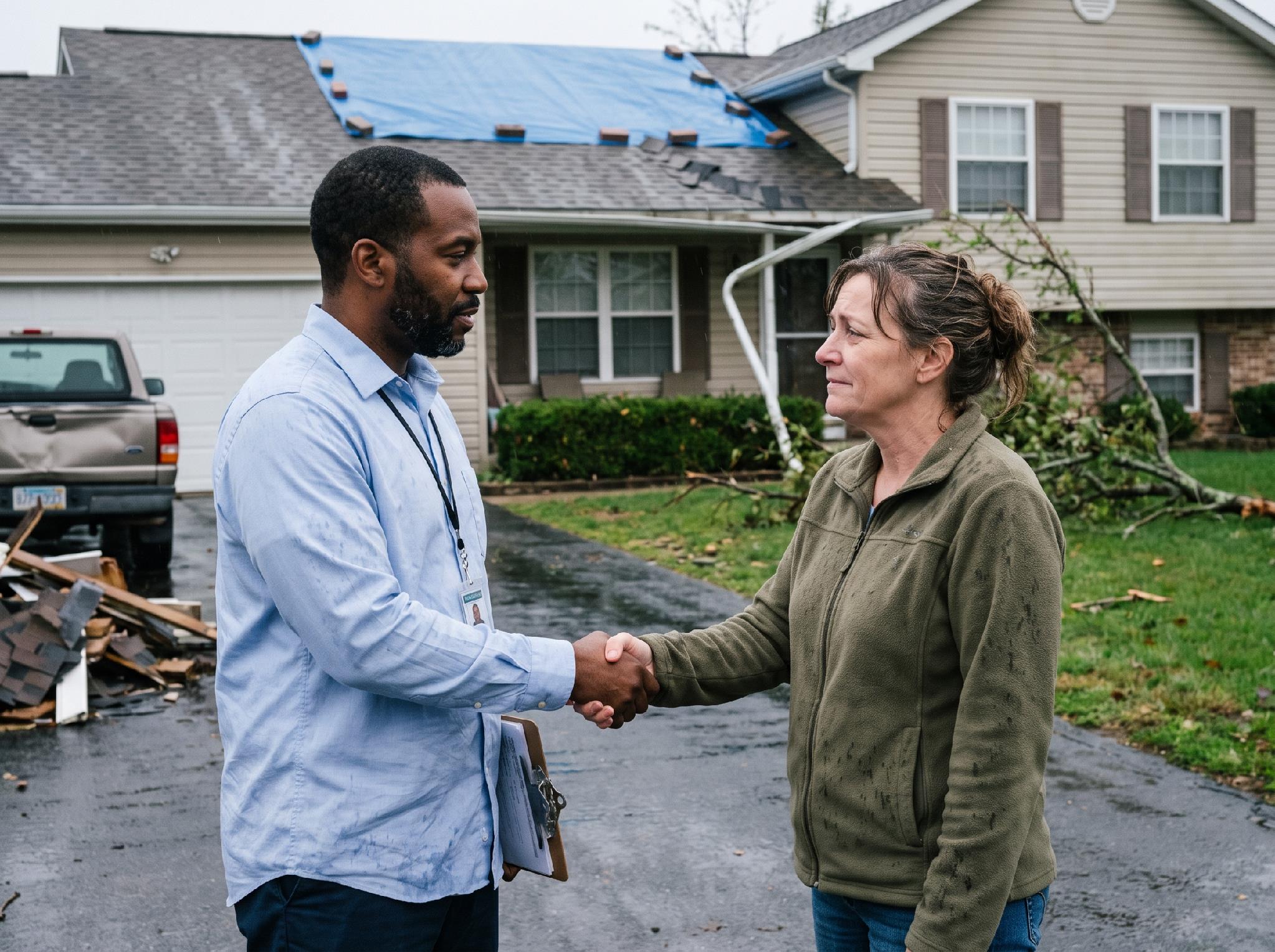
A licensed public adjuster works exclusively for the policyholder, not the insurance company.
Most people don’t realize there are two very different kinds of adjusters involved in a claim. The one your insurance company sends out works for the insurer, full stop, even if they’re professional and courteous about it. According to the U.S. Bureau of Labor Statistics’ description of claims adjuster work, these roles exist specifically to evaluate and settle claims on behalf of the company paying them. That’s not a criticism, it’s just how the job is structured.
A public adjuster works the other side of that equation. They’re licensed under state insurance regulations, but they represent the homeowner, not the carrier, and they get paid a percentage of whatever settlement they help secure. That arrangement matters most when a claim gets complicated or when you feel like you’re being lowballed.
Bringing one in earlier rather than later tends to pay off. A public adjuster can catch scope-of-work gaps and cause-of-loss disputes before they turn into a flat denial, which is a much harder position to argue your way out of after the fact.
Public adjusters aren’t free, and for a small, straightforward claim the fee might not be worth it. But for anything involving a denial, a major structural dispute, or a payout that feels dramatically low compared to your own repair estimates, the math usually works in the homeowner’s favor.
Rebuilding or Selling After a Claim Is Settled
Once the check clears, homeowners generally land in one of two camps.
Repairing and Rebuilding
If the payout covers the work and you plan to stay put, the next step is lining up contractors and figuring out scope. Repair projects after a claim often turn into bigger renovations than people expect, especially when insurers only cover code-minimum fixes rather than upgrades. Our guide to planning a home renovation walks through what to expect on cost, timeline, and scope creep, which applies just as much to post-claim repairs as it does to a voluntary remodel.
Selling As-Is
Sometimes the payout doesn’t come close to covering full repairs, or the homeowner simply decides it’s time to move on rather than manage months of construction. In that case, selling the property as-is, storm damage and all, is a legitimate path forward. We covered exactly this scenario in our piece on selling a house as-is, which walks through what buyers expect, how pricing adjusts for unrepaired damage, and what closing looks like when a property hasn’t been restored.
Final Thoughts
Virginia’s rising premiums and the national uptick in insurer complaints add up to one clear takeaway: homeowners can’t assume a claim will go smoothly just because they’ve paid on time for years. Documenting damage the moment it happens, understanding your policy’s fine print, and knowing when a situation calls for professional backup will do more to protect your payout than anything else. Filing a claim shouldn’t feel like a fight, but if it turns into one, you don’t have to handle it alone.