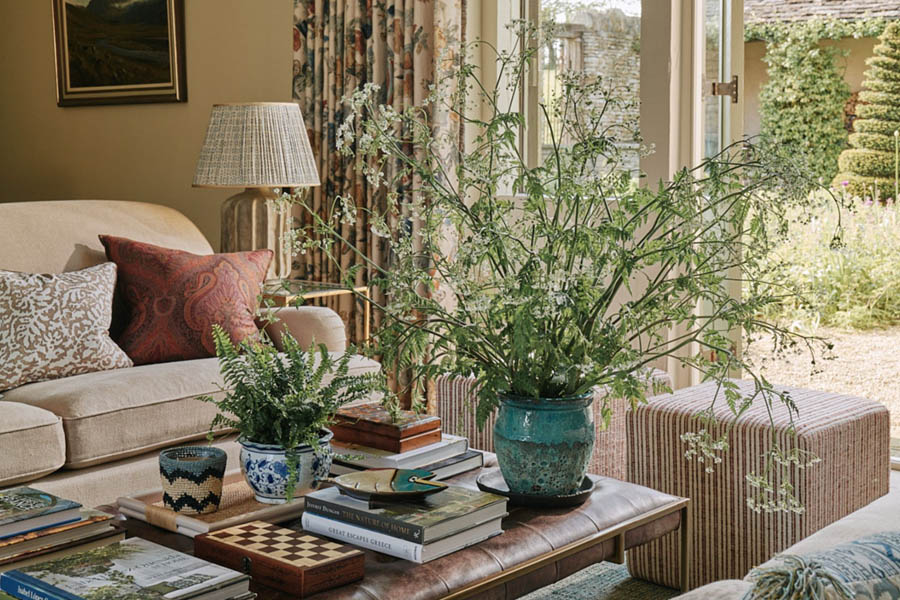
A comfortable and welcoming home starts with how you want to live rather than with a cart full of matching decorations. Home decor is important in giving a room character; however, the best places combine practical furniture, comfortable materials, and decorative pieces that identify the owners of the house.
Making every space appear photo-ready is not the goal of home decor. The main objective is to have spaces that are inviting and easy to maintain. Whether you need to update the decor in one room or redesign an entire family room, a few key choices can foster a sense of relaxation and completeness.
Start With The Feeling You Want
Before rearranging any furniture or making any purchases for the room, first describe the mood you want to create in three words. For instance, you may want the living space to be warm, inviting, and relaxing. An entry way, on the other hand, could be bright, welcoming, and organized. Once you have these three words, you can use them as a guide for everything you choose to do.
Next, take an honest look at your space. Think about parts of the room that feel awkward, dark, empty, or cluttered. A nice-looking chair in the middle of a walkway is not useful. Similarly, a dark corner needs a light and not a piece of art.
Use Nature As A Visual Guide
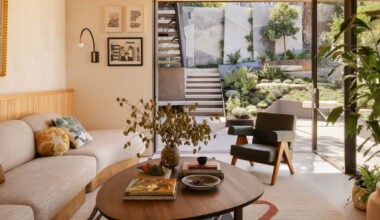
Nature is a great place to look for inspiration in choosing colors and materials. One can take inspiration from olive leaves, clay, aged wood, sand, stone, cream linen, and soft sky. However, it does not mean covering the entire room in leaf prints; it means taking some inspiration from nature.
Many home design trends in 2026 talk about using layered lighting, greenery, natural wood, texture, and combinations of old and new elements. You may use these trends as inspiration and opt for those that work well in your home.
Build A Warm Color Palette
Simplicity is key; try using just one primary neutral, one earthy tone, and one accent neutral. A warm white can complement oak and sage, while options of camel, walnut, olive, and charcoal will give more of an inviting ambiance. Colors like sand, light blue, very pale grey or rattan may provide a clean and trendy appearance without looking too beachy.
You do not need to match all your wood finishes, fabrics and accessories. By repeating the same colors around the room, you create space for your furniture to stand on its own.
Layer Texture Instead Of Adding More Color
Before you introduce a bright hue into a neutral space, introduce a new texture into the mix. For instance, you could have a distinguished wooden table paired with either a woven basket, a linen pillow, or a crafted ceramic bowl. You might also want to think about adding some texture to a simple sofa or a more classic piece by introducing a textured throw or a wool rug.
Some ideas for choosing textures in your decor include using wood, linen, cotton, ceramic, rattan, jute, boucle, old metal, and mildly patterned textiles. By mixing textures, you can keep the vibe of the whole room chilled and enjoyable.
Mix Old, New, And Handmade Pieces
A space seems curated if it looks like it has not been brought together all at once. For example, you might pair a contemporary couch with an antique ottoman, an heirloom dish, a travel snapshot, an artisanal cup, or a pile of old books. Personal items bring life to a room and add interest due to their stories.
How To Keep The Mix Cohesive
- Repeat one or two materials, such as warm wood, brass, or woven fiber.
- Keep colors within a limited family.
- Vary heights and shapes so everything does not feel uniform.
- Leave empty space around pieces that deserve attention.
Choose Decor That Solves A Problem
The best decoration can be rightly justified. An entry bench may be used for holding shoes, blankets, etc. A basket can be perfect for hiding toys, letters, and throws. A narrow console will give an entryway enough space for putting keys. Mirrors are perfect for reflecting light and for making small rooms look more spacious.
Look for practical variations. A bathroom or a craft room can make use of a cart on wheels, shelves for various daily needs, nesting tables for guests, and lamps that provide enough light for reading.
Create One Clear Focal Point
In every room, one should include a center of interest, like a large artwork, a fireside, a mirror, a light fixture, or an arrangement of console elements. The advantage of one element to emphasize is that it concentrates the attention away from other less interesting decor items. Before deciding on the size of a painting above the sofa, bed, or console, try using painter’s tape to outline its intended size first and check whether everything is in balance.
Style Shelves And Surfaces With Breathing Room
Use a simple three-part approach on shelves, mantels, and side tables: begin with one substantial anchor, add a medium-height object, then include one smaller detail. Combine a framed print, a small plant, and a ceramic vessel, for example.
Leave some open space. If several items have the same height, color, or shape, remove one. Breathing room makes the remaining objects feel more intentional.
Use Lighting To Make The Room Feel Finished
Having layers of light in a room gives it more flexibility. For general light, make use of overhead lights. Afterward, light up the reading spaces and places where people gather or may need extra light, with table lamps, floor lamps, wall sconces, and small accent lights. To have a cozy ambiance in the evenings, use warm light and shades.
Make Small Rooms Feel More Intentional
Fewer but sturdier options work best for small areas. Choose wall-mounted shelving instead of large cabinets, keep aisles empty, and select multifunction furniture. A storage ottoman, small desk, or bench with hidden storage space can minimize clutter.
Instead of using various small accents in the space, select one bigger mirror, picture, or carpet that gives the room the needed size impression.
Avoid Themed Decor Overload
Having a nature-inspired room does not imply that every surface has to feature the same symbols. You can create the right environment with the help of wood, plants, art depicting landscapes, woven materials, and nature-inspired colors. In case you do not know what to do to find out if the room is overloaded with decorative elements, you may take away around 30% of them and check again. If you take that step, you will notice that the most important elements will become more evident right away.
Conclusion
The creation of a cozy and balanced home happens bit by bit thanks to decisions aligned with real life. Natural materials, adequate storage, different textures, ambient lighting and personal items create the environment that one would want to come back to, even if there are no renovations. Edit regularly, think of your priorities and allow your place to change with you.