Choosing a home in Rochester and the surrounding areas of New York involves more than comparing advertised rent or sale prices. A place that looks affordable at first can feel expensive, inconvenient, or too cramped once utilities, commuting, storage, winter upkeep, and everyday routines come into play.
For people comparing apartment living with a manufactured-home community, Cook Properties offers a useful guide to the pros and cons of mobile homes. The page compares practical issues such as privacy, parking, laundry, outdoor space, maintenance support, and the ownership experience. As a manager of manufactured-home communities in the Rochester area and elsewhere in New York, Cook Properties brings direct community management experience to the questions that prospective residents often ask.
Start With the Way You Actually Live
The best home is rarely just the largest option or the one with the lowest monthly payment. It is the home that supports your morning schedule, work needs, family life, pets, hobbies, transportation, and plans for the next several years. Before touring homes, identify the factors that matter most: total monthly cost, space, privacy, maintenance duties, location, flexibility, and the feel of the surrounding community.
Build a Complete Housing Budget
A rent payment or loan payment is only one part of the real housing cost. Create a monthly estimate that includes utilities, insurance, property taxes when applicable, lot or community fees, parking, internet, transportation, routine maintenance, and a reserve for unexpected repairs. Upfront costs can also include deposits, moving expenses, closing costs, furnishings, and utility setup charges.
Set aside some funds for emergency savings instead of allocating all your money to housing. This safety net is especially useful during Rochester winters, when heating expenses and seasonal needs tend to increase household costs.
Compare Space, Privacy, and Layout
Square footage matters, but how the space works matters just as much. A well-planned smaller home may provide enough room for a remote-work desk, pantry storage, hobbies, and overnight guests. During a tour, notice where coats, boots, groceries, cleaning supplies, and seasonal items will go. In Western New York, an entry area and practical storage can make daily life easier during wet or snowy months.
- Check whether bedrooms offer enough separation for sleep, work, or family routines.
- Consider shared walls, private entrances, driveway access, laundry location, and outdoor space.
- Measure large furniture before assuming it will fit through doors and into key rooms.
- Think about whether a yard, patio, porch, or nearby green space would improve your routine.
Study the Community, Not Just the Home
A home can be appealing on its own, but still be a poor fit if the location makes everyday tasks harder. Visit the neighborhood at more than one time of day. Pay attention to lighting, street conditions, noise, parking, traffic flow, and the distance to work, grocery stores, schools, parks, and health care. Ask how management handles questions and maintenance requests, and review any community rules before applying.
Questions About Community Living
- Are the guest parking, pet, landscaping, and exterior maintenance rules clear?
- Who maintains common areas, roads, or shared services?
- Is there a local point of contact when an issue needs attention?
- Does the community align with the level of activity and privacy you want?
Weigh Renting Against Ownership
Renting can offer flexibility and may reduce the number of repairs a resident must arrange. It may suit someone who expects to relocate soon or prefers a simpler structure of responsibilities. Ownership can provide greater control over the home and may allow a household to build equity, but it also entails financial commitments, insurance requirements, maintenance decisions, and financing considerations.
Neither path is automatically better. Review the lease, purchase agreement, financing terms, land arrangements, and community rules carefully. Avoid treating a possible future resale value as a guarantee. A sound decision should work with your current budget, even if costs rise or plans change.
Understand Manufactured, Modular, and Site-Built Homes
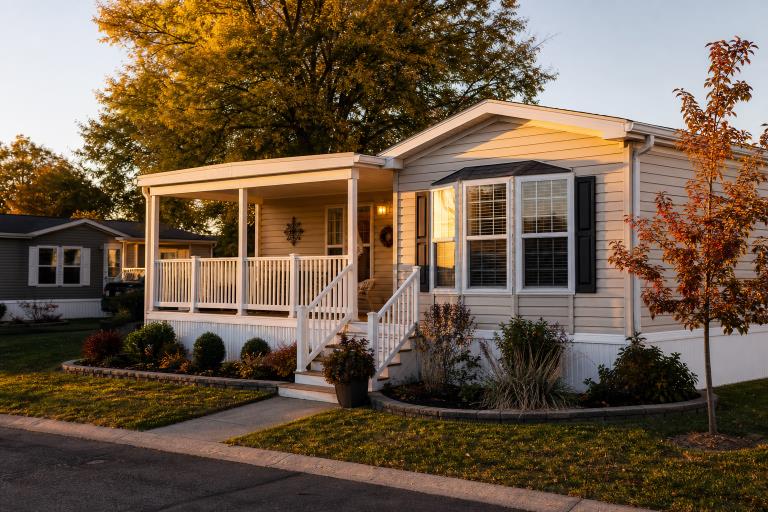
These terms outline various construction and approval methods. Manufactured homes are constructed in factories to meet federal standards and then transported for installation. Modular homes are also factory-built, but their sections are typically installed in accordance with state and local regulations. Site-built homes are primarily constructed on the property itself. The type of home influences financing, insurance, inspections, property taxes, installation procedures, and resale options. Before making a decision, clarify whether you will own the land, lease a home site, or have another arrangement.
Clarify Maintenance and Service Expectations
Clear responsibilities prevent avoidable surprises. Ask who handles plumbing, heating, roofing, exterior repairs, snow-related services, and landscaping. Find out how requests are submitted, what is considered an urgent issue, and which repairs are the resident’s responsibility. Save the answers alongside your lease or purchase paperwork so expectations remain easy to reference later.
Plan for the Next Three to Five Years
A home that works today should also have enough flexibility for likely changes. Consider a growing household, a new pet, remote work, retirement, mobility needs, or a different commute. If a move may be necessary later, understand the costs and steps involved before you sign.
Use This Home Comparison Checklist
- Complete monthly payment and possible cost increases
- Utilities, insurance, taxes, fees, and upfront expenses
- Storage, parking, laundry, outdoor space, and privacy
- Maintenance duties and management response process
- Travel time to work, stores, schools, and medical services
- Rules affecting pets, guests, parking, and home improvements
- Whether the home still feels comfortable after an in-person visit
Choose the Best Overall Fit
The right Rochester-area home should support both your finances and your daily life. Compare the full cost, layout, neighborhood, service expectations, and future flexibility before deciding. A careful review and an in-person visit can reveal whether a home is genuinely a good fit, not merely an attractive listing.