Living alone can support privacy, familiar routines, and independence. A fall-ready plan does not make a home feel restrictive. It helps make everyday activities easier and ensures that help is readily available if something unexpected happens. A wearable personal alarm can be a useful part of that plan, particularly for someone who may not always have a phone in hand.
Falls can have many causes, including clutter, poor lighting, slippery surfaces, medication side effects, vision changes, and balance concerns. Preparing in advance can reduce avoidable hazards and make it simpler to respond calmly. The goal is not to take independence away. It is to protect it with practical habits, reliable contacts, and a home layout that fits daily needs.
Why A Fall-Ready Plan Matters
Living alone is not the same as being unsafe. Still, delayed assistance can turn a manageable fall into a more serious situation, especially if a person cannot reach a phone or get up comfortably. The steps that can help prevent falls include staying active, reviewing medicines, checking vision, and making the home safer.
A strong plan focuses on the risks that are most relevant to the individual. Someone who wakes often at night may need better bedroom-to-bathroom lighting. Someone who uses a cane may need wider clear paths. Someone with a new prescription may need to ask a pharmacist whether dizziness or drowsiness is a possible side effect.
Start With A Home Walkthrough
Walk through the home on a normal day, including early morning and evening, when lighting and fatigue may differ. Pay close attention to the routes used most often, such as the path from the bed to the bathroom, from the kitchen to the dining area, and from the front entrance to the car.
Questions To Ask
- Are floors, hallways, and stairs clear of cords, papers, shoes, and loose rugs?
- Are frequently used items easy to reach without climbing or bending deeply?
- Is there a phone, alert device, or other way to request help within reach?
- Are stairways, entrances, and outdoor paths well-lit and in good repair?
- Does any task in the shower, kitchen, or laundry area feel unsteady?
Make Each Room Easier To Use
Bedroom And Bathroom
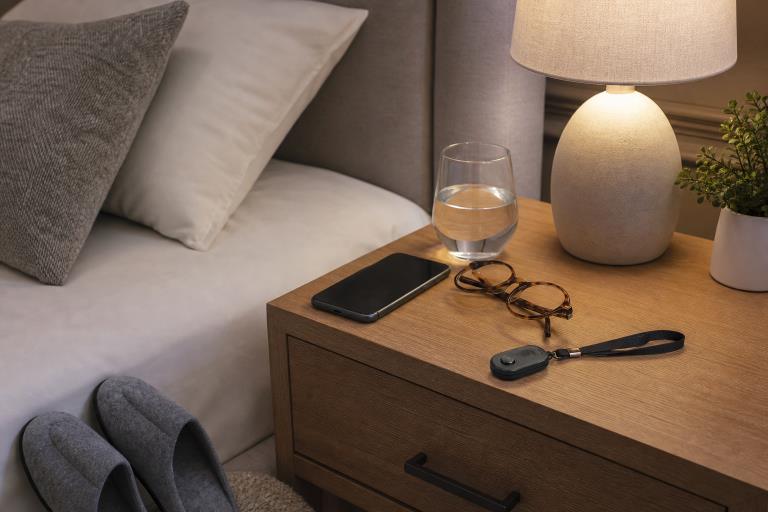
Keep a lamp, phone, glasses, water, and regularly needed items beside the bed. Add night lights along the route to the bathroom, and place stable shoes or slippers and a mobility aid within reach before standing.
In the bathroom, use a secure non-slip mat or non-slip surface where water collects. Grab bars installed securely near the toilet and shower can provide support, while a shower chair or handheld showerhead may make bathing more manageable. Keep towels and toiletries at a comfortable height.
Kitchen, Entryways, And Stairs
Store heavier dishes, pans, and appliances between waist and shoulder height when possible. Remove cords from walking paths, improve lighting near the sink and pantry, and avoid standing on chairs or stools to reach high shelves.
At entrances and on stairs, remove loose mats or secure them firmly. Use sturdy handrails, repair uneven surfaces, and make steps easier to see. Motion-activated outdoor lighting can be useful when arriving home after dark.
Build A Simple Emergency Plan
A short written emergency plan can prevent confusion during a stressful moment. Keep one copy in an agreed-upon location, such as near the refrigerator or phone, and share a digital copy with trusted contacts.
- Full address, apartment number, and clear entry instructions.
- Primary and backup emergency contacts.
- Doctor, pharmacy, preferred hospital, medications, and allergies.
- Pet-care details and information for an approved lockbox or keyholder.
- Preferred contact methods, such as a call, text, or video check-in.
Review this list after a move, a hospital visit, a medication change, or a meaningful change in mobility. Accuracy matters more than detail, so keep the information current and easy to scan.
Choose Helpful Safety Tools
Safety technology works best when it matches the person’s routine. Consider whether a device has a large help button, two-way voice communication, water resistance, adequate coverage, reliable charging, and an easy way to contact family or professional monitoring staff.
Fall-detection features may provide additional support, but they should not be treated as a guarantee, as they may not detect every fall. Technology should complement, not replace, home changes, medical care, and regular human contact.
Create A Daily Check-In Routine
A respectful check-in routine can offer reassurance without feeling intrusive. It may be a morning call, an evening text, a neighbor stopping by, or a regular shared meal or activity. Choose a schedule that the older adult agrees to and can realistically maintain.
Decide in advance what happens after a missed check-in. A practical sequence is to call again after a short wait, send a text, contact a nearby backup person, and request a welfare check if there is a clear reason to believe urgent help is needed.
Support Strength, Balance, And Confidence
Home safety is only one part of fall prevention. Strength and balance activities, appropriate footwear, vision care, hearing care, and correct use of mobility aids can all matter. The CDC recommends strength and balance exercises, medication reviews, eye checks, and safer home environments as important ways to lower fall risk.
Before beginning a new exercise program or changing medication use, speak with a qualified health professional. A clinician, pharmacist, physical therapist, or occupational therapist may help identify individual risks and suggest practical adjustments after illness, surgery, dizziness, or a previous fall.
What To Do After A Fall
After a fall, pause and assess the situation before trying to move. Call emergency services immediately for severe pain, heavy bleeding, suspected head injury, loss of consciousness, chest pain, breathing trouble, sudden weakness, facial drooping, or speech difficulty. In the United States, call 911 for these emergencies.
If a serious injury may have occurred, do not try to pull the person up. Use a phone or alert device to request help. Even when an injury seems minor, contacting a healthcare professional after a fall can help identify contributing issues and prevent another incident.
Complete A Monthly Safety Review
- Test phones, alert devices, smoke alarms, and carbon monoxide alarms.
- Check batteries, charging cables, and emergency contact information.
- Remove new clutter and repair loose flooring, railings, or lighting.
- Discuss any recent fall, near fall, dizziness, or change in walking ability.
- Confirm that check-in times and safety tools still feel useful and comfortable.
A safer home does not need to look clinical or feel limiting. Clear paths, good lighting, supportive routines, trusted contacts, and well-chosen tools can work together to make independent living more comfortable and more secure.