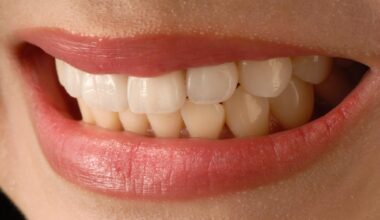
A great smile can give you confidence throughout the day. Dentures should fit well against your gums and feel secure when you talk or eat.
Even small changes in your jaw can cause pain or discomfort. Paying attention to these changes can help you protect your mouth and keep your dentures in good shape.
Continue reading to discover everything you need to know!
Your Dentures Slip During Daily Conversations
Your dentures should stay in place when you speak, laugh, or eat. If they move often, it may be time to seek help. Many people search for options to fix my dentures near me when loose dentures make daily tasks hard.
A dental professional can check the fit and identify the cause. Over time, your gums and jaw change shape. These changes can affect how well your dentures fit.
As a result, the suction that holds them in place may become weaker. Your dentures may then slip while you talk or chew.
Loose dentures can also rub against your gums, causing pain, redness, and small sores. A dental visit can help find the cause and restore a better fit. Early care can also help prevent more serious problems.
You Feel Ongoing Soreness Along Your Gums
Dentures should not cause lasting pain. Sore spots often form when parts of the denture press too hard against your gums. Poorly fitted dentures can damage soft tissue and cause painful sores.
Removing your dentures may ease the pain for a short time. However, the problem may return when you put them back in. Red or swollen areas can also make it hard to wear your dentures all day.
Do not ignore these signs. A dental professional can check your gums and find areas that need care. They may smooth parts of the denture that put too much pressure on your mouth, and this can reduce rubbing and help you feel more at ease.
Your Speech Starts to Change
Well-fitted dentures help you speak with ease. Your tongue needs to touch certain parts of your mouth to make clear sounds. When dentures move or sit in the wrong place, your speech may change.
You may notice a lisp, a whistle, or trouble saying some words. These changes can make daily talks feel awkward. They may also affect your confidence in social settings.
A dental professional can check how your dentures sit in your mouth. Small changes to the fit or tooth position may help you speak more clearly. With the right fit, you can talk with less effort and feel more confident.
Chewing Certain Foods Becomes Difficult
Eating should not cause sharp pain or put too much strain on your jaw. Yet loose or uneven dentures can make chewing hard. Foods like raw carrots, apples, and firm meats may become difficult to eat.
When your bite is uneven, some parts of your mouth take on more pressure than others. This can tire your jaw muscles and cause discomfort. Over time, you may start to avoid foods that once formed part of your normal diet.
Rediscover Comfort and Confidence With Proper Denture Care
Your dentures should help you smile, speak, and eat with comfort. Slipping, sore gums, speech changes, chewing problems, cracks, and lasting odors can all signal that something needs attention. Acting early may help prevent pain and protect your oral health.
Make sure to check out the rest of our articles!