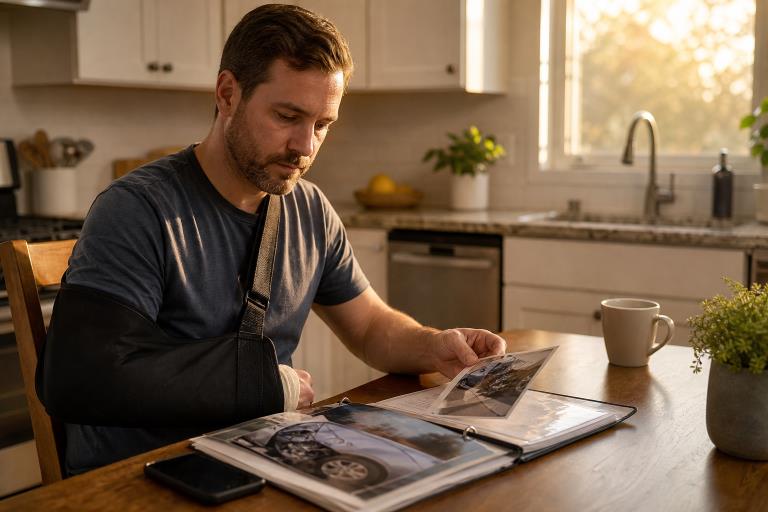
After a crash, fall, animal attack, or other serious incident, it is easy to feel pulled in several directions at once. Medical appointments, vehicle repairs, missed work, and insurance calls can quickly become overwhelming. A car accident attorney in Tulsa, OK, may help someone understand available options after a collision, but the first steps should always center on safety, health, and preserving accurate information.
Recovery does not need to be managed all at once. A practical plan can help injured people and their families focus on what matters today while keeping useful records for the weeks and months ahead.
Start With Safety and Medical Care
Get to a safe location when possible and seek medical attention promptly. Some injuries, including head, neck, back, and internal injuries, may not be obvious in the first few minutes after an accident. Call emergency services for severe bleeding, breathing trouble, chest pain, loss of consciousness, confusion, or suspected spinal injury. Do not move a person with a possible spine injury unless remaining in place creates an immediate danger. Follow discharge instructions, fill prescriptions as directed, and attend recommended follow-up visits. After a blow or jolt to the head, symptoms can appear later, and the warning signs of a concussion can include worsening headache, repeated vomiting, weakness, confusion, unusual behavior, or difficulty waking up.
Build a Simple Injury Record
Create one secure place for accident-related information. A paper folder, cloud folder, or phone note with backed-up files can work well. The goal is not to build an argument. It is to preserve clear facts while memories are fresh.
- Record the date, time, location, and a plain-language account of what happened.
- Save names and contact information for witnesses.
- Keep the incident or police report number.
- List each medical visit, test, prescription, and therapy appointment.
Preserve Photos, Video, and Physical Evidence
Conditions can change quickly. Vehicles are repaired, spills are cleaned up, weather conditions change, and camera systems may overwrite footage. When it is safe to do so, take wide photos that show the overall scene and close-up photos of damage, hazards, and visible injuries. Save original phone videos, dashcam recordings, and doorbell-camera files in more than one location. Keep damaged clothing, safety equipment, or personal items if they may show the force or circumstances of the incident. Avoid filters, edits, captions, or changes to original image files.
Keep Medical Records Complete and Consistent
Medical records create a timeline of symptoms, diagnoses, treatment efforts, and progress. Be honest and specific when describing pain, numbness, dizziness, sleep disruption, memory issues, emotional changes, and limits on ordinary activity. Missed appointments or treatment gaps can create confusion later. Sometimes there are understandable reasons, such as transportation issues, cost, work duties, or changes in symptoms. Keep a short note explaining those circumstances and continue communicating with medical providers about concerns.
Track How the Injury Affects Daily Life
A medical bill does not always show the full impact of an injury. A daily journal can record difficulties with cooking, driving, bathing, dressing, childcare, exercise, concentration, household work, and sleep. Note whether pain interrupts rest, whether family members provide help, and whether stress or fear has changed normal routines. For example, a person may spend only a short time at a medical appointment but still struggle to stand long enough to prepare meals, lift a child, focus at work, or drive home safely. Those details can help create a more complete picture of recovery.
Document Work and Financial Losses
Keep pay stubs, time-off records, work restrictions, emails about missed shifts, repair estimates, prescription receipts, mileage logs, transportation costs, and invoices for household assistance. Injury-related losses may extend beyond an initial emergency bill. Future effects can be harder to measure. A long-term condition may affect job training, promotions, career choices, or the ability to work full-time. Medical providers and qualified professionals can help assess how lasting limitations may affect a particular situation.
Use Care With Insurance Communications
Remain polite and provide basic factual information, but do not guess about fault or predict how quickly you will recover. An injury that feels manageable on the first day may require more evaluation or treatment later. Read every document before signing it and keep copies of letters, emails, forms, and claim numbers.
- Ask why a requested document or recorded statement is needed.
- Do not describe injuries as minor before a medical evaluation is complete.
- Avoid public social media posts about the incident or recovery.
- Consider getting individualized guidance before accepting a final settlement.
Know When an Injury May Be Catastrophic
A catastrophic injury generally involves permanent or long-term limitations. Examples can include traumatic brain injuries, spinal cord damage, paralysis, severe burns, amputations, major fractures, or lasting vision loss. These injuries may require rehabilitation, future procedures, mobility equipment, home modifications, caregiving support, and changes to family responsibilities. Planning should account for both current treatment and future needs. Keep records of provider recommendations, work restrictions, home assistance, and changes in independence as recovery develops.
Understand That Deadlines Depend on the Claim
Filing deadlines can depend on the state, the type of incident, the parties involved, available insurance coverage, and whether a government entity may be involved. Waiting can also make a case more difficult because witnesses move, memories fade, and physical evidence disappears. Do not assume a deadline is far away simply because an injury is still being treated. Check the rules that apply to the specific location and circumstances as soon as practical.
Prepare for a First Legal Consultation
Anyone seeking legal information can prepare by bringing a brief timeline of the incident, photos and videos, reports, witness information, medical records and bills, insurance correspondence, proof of missed work, and out-of-pocket receipts. Write down questions about deadlines, evidence, fees, communications, and possible next steps.
Common Mistakes to Avoid
- Delaying medical care without a clear reason.
- Stopping treatment simply because symptoms briefly improve.
- Throwing away damaged items or failing to save original media files.
- Guessing when answering questions about the incident.
- Accepting final payment before future treatment needs are understood.
Take One Clear Step at a Time
After an injury, small, organized steps can restore a sense of control. Put medical care first, preserve facts and evidence, document the daily effects of the injury, and communicate carefully. A strong recovery plan is not rushed. It is accurate, consistent, and mindful of both present needs and possible future consequences.
Conclusion
After a serious injury, the most important step is to focus on recovery while preserving the information needed to understand what happened and how it continues to affect daily life. Prompt medical care, consistent treatment, organized records, photographs, financial documentation, and careful communication can help reduce confusion during an already difficult period. It is also important to avoid assumptions about fault, recovery time, or future needs, particularly when symptoms or limitations may develop over time. Because deadlines and legal requirements vary by circumstances and location, seeking timely, situation-specific guidance can help preserve important options. Taking the process one step at a time allows injured people and their families to concentrate on immediate health needs while remaining prepared for the practical, financial, and legal questions that may arise during recovery.