Buying a home in Rolesville, North Carolina is about more than choosing the best kitchen or submitting the strongest offer. From established streets to newer neighborhoods, each property brings its own mix of monthly costs, maintenance needs, commute considerations, and future possibilities. Reviewing homes for sale in Rolesville, NC, is a useful starting point, but the listing is only one part of the decision. A practical comparison process helps buyers look past polished photos and focus on everyday fit. The goal is to identify a home that fits your budget, routines, and likely plans over the next several years, while reducing the risk of costly surprises after closing.
Start With the Market Picture
Market conditions can differ sharply between neighborhoods, home styles, lot sizes, and construction eras. Instead of relying solely on broad averages, compare active listings with recently closed sales that resemble the homes you are considering. Ask your real estate professional to explain differences in condition, upgrades, location, and seller concessions before treating one sale as a direct match. Rolesville has a long local history, while its housing options include areas developed at different times. Understanding the town’s history and setting in Wake County can help explain why lot sizes, road layouts, sidewalks, and nearby amenities may vary from one part of town to another.
Set a Complete Home-Buying Budget
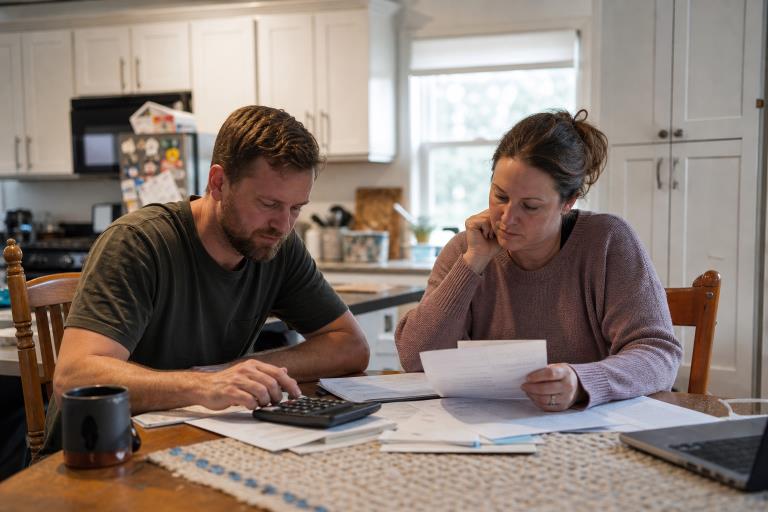
The purchase price is only the entry point. Before making an offer, estimate the full cost of owning each property. Include the down payment, principal and interest, property taxes, homeowners insurance, mortgage insurance when applicable, HOA dues, utilities, internet, moving costs, and cash needed for early repairs or furnishings. Two homes with similar prices can create very different monthly obligations. A larger home may require more heating, cooling, and upkeep. A lower-priced home may need a roof, HVAC repair, appliances, or drainage work sooner than expected. Leave room in the budget for regular maintenance and an emergency fund after closing.
Compare the Home, Not Just the Listing
At every showing, look beyond finishes and staging. Pay attention to the roof’s apparent age, HVAC equipment, windows, appliance condition, storage, garage space, and the way rooms connect. Consider whether the layout can support changing needs, such as a home office, guests, hobbies, or a first-floor living arrangement.
Questions to Ask at Each Showing
- What repairs or improvements have been completed recently?
- Which major systems may need attention within the next few years?
- Have there been leaks, flooding, storm damage, or moisture issues?
- Which appliances, fixtures, and outdoor items will remain with the home?
- Were additions, decks, finished rooms, or sheds completed with appropriate permits?
Also, examine the lot. A sloped yard, limited privacy, poor drainage, or a difficult driveway can affect daily enjoyment and future maintenance just as much as the house itself.
Study the Neighborhood at Different Times
Return at least twice before committing, ideally on a weekday morning, after work, and on a weekend. Notice school traffic, visitor parking, street lighting, noise, delivery activity, and how long it takes to enter or leave the neighborhood. A quiet midday visit may not reveal the rhythm of daily life. Look beyond the property line for sidewalks, trail or park access, nearby services, cell reception, internet availability, drainage areas, and the condition of surrounding homes. These details shape routines and can influence how well a property suits you over time.
Test the Daily Commute
Map estimates are helpful, but they cannot fully capture weather, school drop-off traffic, roadwork, or peak-hour congestion. Drive the routes you expect to use for work, school, shopping, child care, and medical appointments. Test the trip at the time you would normally leave, then identify at least one alternate route.
Review HOA Rules and Fees
When a home is part of an association, request the current dues, governing documents, rules, recent meeting minutes, reserve information, and details about pending assessments or major projects. Confirm what the dues cover, whether the association maintains amenities or common areas, and whether there are restrictions on rentals, parking, pets, fences, or exterior changes.
Check Future Development Plans
Nearby land can change after you move in. Review proposed subdivisions, commercial projects, road improvements, parks, utility work, and rezoning requests near the property. The Town of Rolesville posts local news and planning updates that can provide useful context, although proposed projects may change before construction begins.
Use Inspections to Reduce Surprises
A general home inspection is an important step, but additional reviews may be appropriate based on the property. Consider wood-destroying insect inspections, radon testing, moisture or mold evaluation, septic or well review, and specialist assessments for roofing, chimneys, fireplaces, or structural concerns when warning signs appear. Do not judge an inspection report by page count alone. Separate immediate safety concerns and major system issues from routine maintenance. Focus on the likely cost, timing, and risk of each item, then decide whether to request repairs, seek credits, renegotiate, or proceed with a clear plan.
Create a Simple Comparison Worksheet
Score each home from one to five in the same categories:
- Price and monthly cost: Does the payment leave room for savings, repairs, and normal life expenses?
- Home condition: Are the major systems sound, or are large expenses likely soon?
- Location: Does the property fit your daily travel needs?
- Neighborhood: Does the setting feel comfortable at different times of day?
- Future plans: Could nearby growth improve or reduce the home’s appeal?
- Long-term fit: Can the home work through likely changes over the next five to ten years?
Common Buyer Questions
Is new construction always the better choice?
No. A newer home may offer modern layouts and fewer immediate repairs, while an older home may provide mature landscaping, an established setting, or a different lot size. Compare quality, location, costs, and long-term fit rather than assuming one category is automatically better.
Should buyers choose the lowest-priced home?
Not necessarily. A lower price can be offset by repairs, insurance, taxes, HOA dues, utilities, or a more demanding commute. The better value is the home whose complete costs and daily experience align with your priorities.
Make the Decision With a Clear View
A confident Rolesville home purchase comes from comparing the full picture: the home’s condition, real monthly cost, neighborhood rhythm, commute, association requirements, inspection findings, and future surroundings. Taking a structured approach may require extra time before an offer, but it helps turn a major decision into one based on evidence, priorities, and practical day-to-day value.
Conclusion
Choosing a home in Rolesville, North Carolina requires looking beyond the listing price and visual appeal. A practical decision considers the home’s condition, complete monthly costs, neighborhood environment, commute, HOA requirements, inspection findings, and potential changes in the surrounding area. Comparing these factors across several properties can help buyers understand which home offers the best overall fit for their budget and daily routines. Visiting neighborhoods at different times, driving regular routes, reviewing HOA documents, and researching nearby development plans can reveal details that may not be obvious during a single showing. A thorough inspection can also help identify maintenance needs and potential concerns before closing. Using the same comparison criteria for every property can make it easier to evaluate choices consistently rather than relying on first impressions. With careful research, realistic budgeting, and a clear understanding of personal priorities, buyers can approach a home purchase in Rolesville with greater confidence and a more complete view of the decision