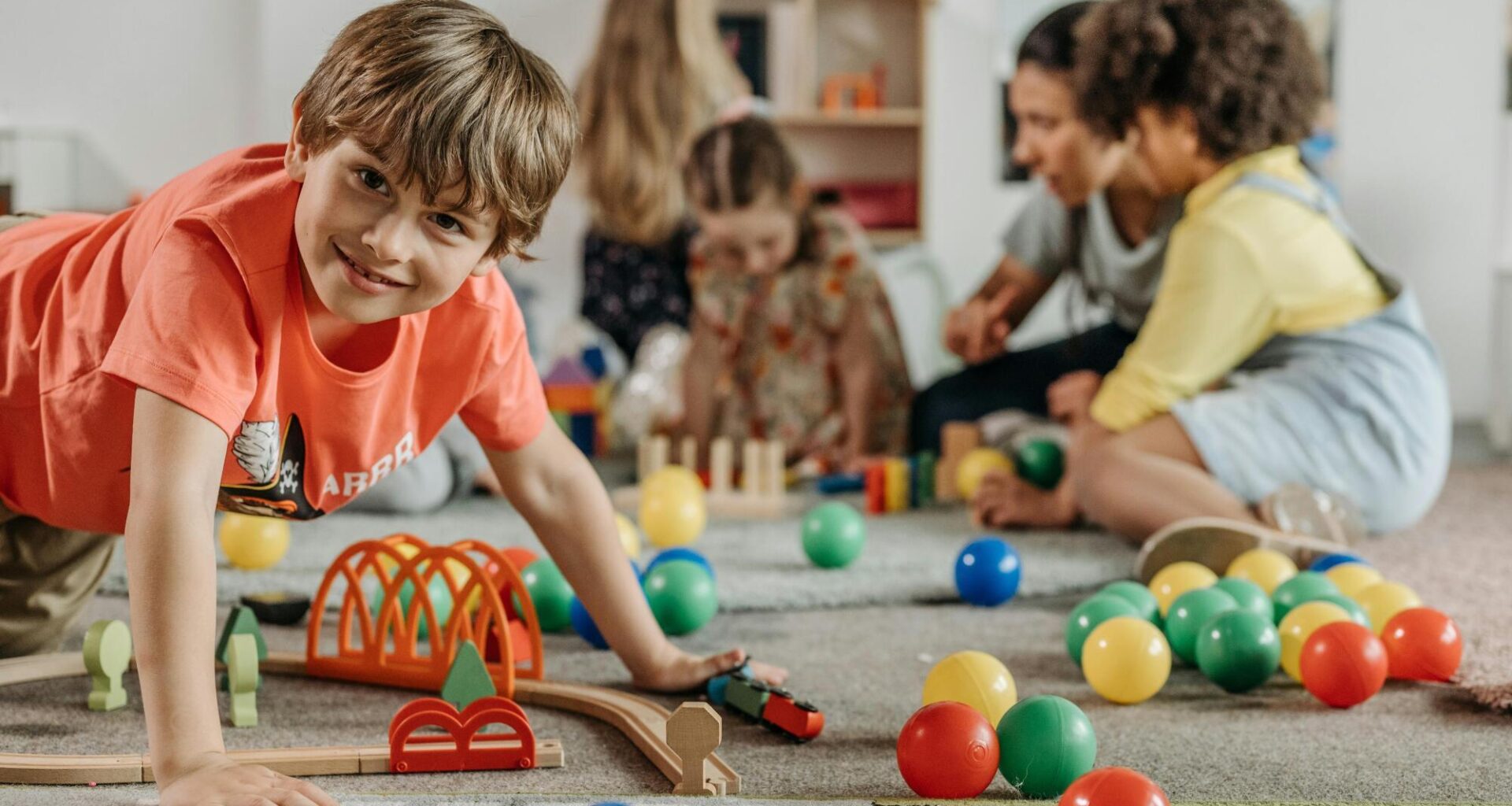
Setting up a space where kids can burn off energy takes some planning. The goal is to create a room where they can run, build, play, and explore without getting hurt. A good play space should feel fun and open. It should also give parents peace of mind. With the right furniture, materials, and layout, you can create a room that works for both kids and adults.
Maximize Creative Building Options
Kids love to change their surroundings. A simple room can become a castle, spaceship, store, or secret base. Giving them flexible building materials can help them turn these ideas into real play.
Foam blocks are a useful option. They are light, soft, and easy for kids to move. If a structure falls, the blocks are less likely to cause an injury or damage a wall. Kids can also use them to build walls, seats, beds, or tunnels. Parents love how modular play couch builds give kids complete control over their physical environment.
A modular play couch can offer even more options. Kids can move the pieces into new shapes as their games change. One day, the couch may become a rocket. The next day, it may become a slide or reading nook. This type of play keeps the room interesting without adding lots of new toys.
Prioritize Safety Certifications and Clean Materials
Kids spend a lot of time close to the materials in a playroom. They may sit, lie, crawl, or sleep on sofas and mats. Some may even put their faces against the fabric. For this reason, it is important to pay attention to the materials you bring into the room.
Look for products with trusted safety or environmental certifications. These certifications can provide useful information about the materials and emissions from a product. They can also give parents more confidence when choosing furniture for an indoor play space.
Build Simple Forts and Hideaways
You do not need expensive equipment to create a fun hideaway. Kids can turn simple items into cozy forts with a little imagination. A quiet corner can also give them a place to read, relax, or take a break after active play.
Try standing large cushions on their sides to create simple walls. Then place a blanket over the top to make a roof. Lightweight foam pieces can work as a floor or as extra support for the walls. Always check that the setup is stable and safe before children climb inside.
Keep the Layout Simple and Safe
The layout of the room matters just as much as the furniture. Keep walkways clear and avoid placing hard objects in areas where kids often run. Store toys in low bins so children can reach them without climbing. Clear labels or pictures can also help younger kids know where each item belongs.
A well-planned playroom does not need to be perfect. It needs to be safe, flexible, and easy to use. Soft furniture can reduce the impact of falls. Open floor space gives kids room to move. Flexible toys help them create new games. Clean, durable materials make daily life easier for parents.
Final Thoughts
Most of all, a good play space should support both active play and quiet time. When kids have room to move, build, imagine, and rest, they can enjoy the space in many different ways. Smart choices can help turn an ordinary room into a safe and exciting place where children can play freely. Check out our blog for more information!