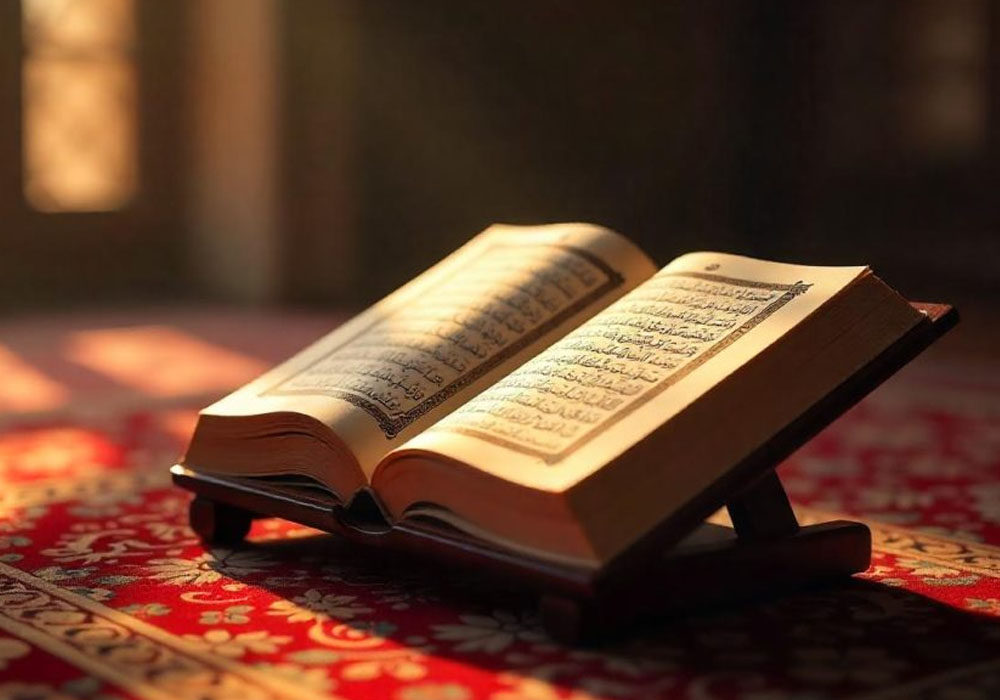
Quran learning shapes more than memory. It shapes a child’s whole character. Muslim families across Australia want strong roots for their kids, not just weekend classes. A trusted school for Quran program gives children real structure, qualified teachers, and steady daily practice. Islam is now Australia’s second largest religion, with 813,392 people identifying as Muslim in the 2021 Census. That number keeps rising every year across every state. Schools that treat Quran study as a real subject, not an afterthought, help kids build faith that lasts a whole lifetime, not just a few school years.
What Makes a Quran Program Actually Trustworthy?
A trustworthy Quran program starts with certified teachers, not volunteers reading from memory. Teachers usually hold an Ijazah, a formal certificate proving they learned the Quran correctly from a qualified chain of teachers before them.
Good programs also follow a clear roadmap. Kids move through levels, starting with basic Arabic letters and moving toward full tajweed rules, the system that controls how each letter sounds. Random lessons with no plan waste a child’s time. Structure is the real difference between a program that works and one that just fills a timetable slot.
Memorizing Verses Is Only Half the Job
Memorization alone teaches a child to repeat words, not understand them. Real Quran programs pair hifz, which means memorization, with tafsir, which means explaining what each verse actually means.
A child who memorizes Surah Al-Fatiha but never learns its meaning misses the point completely. Strong schools slow down on purpose. They connect verses to prayer, daily manners, and family life, so faith feels real, not robotic.
The Daily Habits These Programs Build
- A steady prayer routine, done on time
- Respect for teachers, parents, and elders
- Honesty in small everyday choices
- Patience during hard or boring tasks
- Confidence reading Arabic script without fear
How Progress Actually Looks Over the Years
| Age Group | Typical Focus | What Success Looks Like |
| 5 to 7 | Arabic letters, short surahs | Confident reading, no fear of mistakes |
| 8 to 11 | Tajweed rules, longer surahs | Smooth recitation, a memorized juz |
| 12 to 15 | Full hifz or advanced tajweed | Independent recitation, real understanding |
Islamic school enrolments across Australia doubled between 2012 and 2022, based on Australian Bureau of Statistics figures reported by education researchers. That growth shows one thing clearly. More families want this kind of structured faith education, not less of it.
Why This Choice Matters Long Term
A child who grows up inside a steady Quran program rarely feels lost about identity later in life. They already know their prayers, their manners, and their book well.
That foundation carries into high school, university, and adult life, long after the classroom lessons themselves are finished and forgotten by most other kids.
Parents often notice a change in behaviour first, long before grades or certificates appear. A child stops rushing through prayer. A child starts asking real questions about meaning instead of just reciting words on command.
Small Signs a Program Is Working
Look past the certificates on the wall for a moment. Watch how a child talks about their class at home, on a normal Tuesday, when nobody is asking them to perform.
A child who mentions a verse without being prompted, or corrects a sibling’s recitation gently, is showing you real progress. That kind of quiet confidence rarely comes from a rushed or poorly run program.