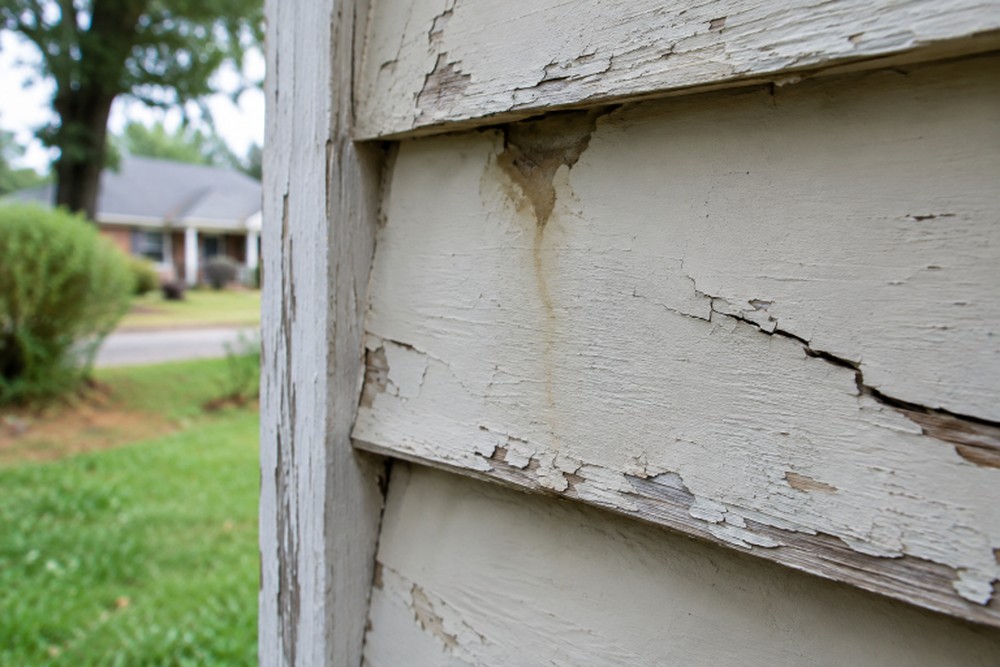
From coastal cottages near Biloxi to older homes in Jackson and rural properties across the Delta, selling a house in its present condition can be a practical choice when repairs are too costly, time is limited, or the property simply needs more work than an owner wants to manage. Homeowners considering a quicker route can review options for https://bludoor.com/sell-my-house-fast-in-mississippi/ while comparing the likely proceeds and responsibilities of each sale method.
An as-is sale means the seller intends to transfer the home in its current condition rather than agree to complete repairs. It does not mean a seller can hide known problems. Clear information, realistic pricing, and orderly paperwork still matter.
Before choosing a path, define the real goal. Some sellers need a fast closing after an inheritance or relocation. Others may have enough time to list conventionally but do not want to renovate a dated kitchen, replace flooring, or coordinate multiple contractors.
There is no single best answer for every Mississippi property. A homeowner comparing local selling approaches may also use https://bludoor.com/ as part of a broader review of potential sale paths, alongside advice from a qualified real estate or legal professional when needed.
Why Mississippi Homeowners Sell As-Is
Common reasons include deferred maintenance, vacant homes, divorce, inherited property, financial pressure, job transfers, or a house that needs more repairs than the owner can reasonably fund. The tradeoff is straightforward: avoiding repair costs and project management may make the sale simpler, but the home may draw fewer buyers or command a lower price than a fully updated property.
Local Factors That Shape the Sale
Location affects both buyer expectations and the work a buyer may anticipate. Gulf Coast homes can raise questions about wind damage, drainage, flood exposure, and insurance. Older homes in Jackson, Hattiesburg, or historic neighborhoods may warrant closer attention to roofs, plumbing, electrical systems, and foundations. Homes near Oxford, Southaven, or major job centers may attract different buyers than rural properties where showings and buyer demand can be less predictable.
Review the Property Before Listing
A condition review is not a commitment to repair everything. It is a way to understand what is being sold and prevent surprises later. Walk through the home, crawl space, attic, exterior, and major systems. Note roof leaks, water staining, drainage issues, HVAC problems, termite damage, foundation movement, mold, damaged flooring, and exposed electrical concerns.
- Separate safety or active water issues from cosmetic wear.
- Collect permits, warranties, insurance claims, repair invoices, surveys, and utility records.
- Take dated photos of major defects and keep them with the property file.
- Get an estimate for urgent work if the cost would affect pricing.
Mississippi Disclosures and Property Records
“As-is” is not the same as “no disclosure.” Sellers should answer disclosure questions based on personal knowledge and retain copies of every signed document. The Property Condition Disclosure Statement forms published by the Mississippi Real Estate Commission provide a useful starting point for residential sellers and show the range of conditions that may need to be addressed.
Known roof leaks, prior flooding, foundation repairs, septic concerns, termite treatment, unpermitted additions, and recurring moisture problems deserve careful, plain-language answers. Probate matters, title questions, boundary disputes, liens, divorce agreements, or multiple owners are reasons to seek legal guidance before accepting an offer. Homes built before 1978 may also be subject to federal lead-based paint disclosure requirements.
Four Ways to Sell a House in Mississippi
The following comparison helps clarify what each approach usually requires.
| Method | Best Fit | Potential Benefit | Possible Challenge |
|---|---|---|---|
| Real estate agent | Marketable home and flexible timeline | Broad exposure and pricing help | Showings, inspections, financing delays |
| For sale by owner | Hands-on seller | Control over marketing and negotiations | Seller manages contracts and screening |
| Cash buyer | Home needing work or fast exit | Fewer financing-related obstacles | Offer may reflect repair and resale risk |
| Keep as a rental | Owner prepared to operate a rental | Potential ongoing income | Repairs, vacancies, and landlord duties |
Set a Fair As-Is Price
Base the price on recent comparable sales, not on the value of a renovated version of the home. Adjust for location, square footage, lot size, age, condition, and repair needs. For example, a home that might sell for $180,000 after improvements may not produce that amount for the current owner if it needs a roof, HVAC work, cleanup, commissions, and several months of taxes, insurance, and utilities.
Compare net proceeds, not just headline prices. A traditional listing may bring a higher gross price but include preparation expenses and buyer repair requests. A direct cash offer may be lower but can reduce carrying costs and uncertainty. Put each scenario on paper before deciding.
Prevent Delays and Review the Full Offer
Confirm ownership early, locate the deed and survey, and address mortgages, tax balances, judgments, or other title issues before closing. Use a reputable title company or real estate attorney, set written deadlines, and make sure every required owner signs.
When comparing offers, look beyond price. Ask for proof of funds when a buyer claims to pay cash. Review the earnest-money deposit, inspection period, financing contingency, closing date, requested credits, and responsibility for title and closing charges. Pressure to sign immediately, pay money upfront, or accept unclear terms is a reason to slow down.
Special Situations That Need Extra Planning
Inherited, Divorce, or Multi-Owner Property
An estate may need probate authority before a sale can move forward, and heirs living in different states can complicate signatures and communication. Divorce and co-owned property require clear agreement about price, repairs, proceeds, and signing authority.
Storm-Damaged or Flood-Prone Homes
For homes near the coast, rivers, or low-lying areas, gather insurance information and disclose known water history. Sellers can use the official flood hazard information for a property to review FEMA mapping before discussing flood exposure with buyers. A map does not replace disclosure of actual water problems the seller knows about.
Foreclosure Concerns
Time is critical when a mortgage default or foreclosure is involved. Contact the lender, a housing counselor, or an attorney promptly, since a delayed decision can reduce available options.
Common Questions About As-Is Sales in Mississippi
Can a seller list a Mississippi house as-is?
Yes. The seller can market the home in its present condition while still providing required information about known conditions.
Does as-is mean the seller must accept any offer?
No. It describes condition, not the seller’s right to evaluate, reject, or negotiate an offer.
Can a house with foundation or water damage still sell?
Yes, but those issues can narrow the pool of buyers. Honest disclosure and pricing that reflects the work needed are essential.
Final Takeaway
The right way to sell an as-is house in Mississippi depends on the property’s condition, local market, ownership paperwork, financial needs, and timeline. A careful review of repairs, disclosures, title issues, and net proceeds can help a homeowner choose a practical path without making a rushed decision.