Home maintenance can feel like a never-ending list of chores. There is always something to clean, inspect, repair, or replace. Without a plan, small tasks can quickly pile up and become stressful. The good news is that home care becomes much easier when you follow a simple routine.
Regular checks can help you catch small problems before they turn into larger and more expensive repairs. You do not need to handle everything at once. A clear schedule, a few basic tools, and steady habits can help keep your home safe, comfortable, and in good condition throughout the year.
Continue reading to discover everything you need to know!
Create a Simple Maintenance Schedule
A written schedule can make home maintenance much easier to manage. Start by dividing tasks into weekly, monthly, seasonal, and yearly groups. Simple jobs like checking for leaks or changing air filters can be added to a calendar.
Seasonal tasks may include cleaning gutters, checking heating or cooling systems, and inspecting outdoor areas. Try not to schedule too many jobs at the same time. Spreading tasks across the year makes them feel more manageable.
You can use a notebook, phone calendar, or home maintenance app to keep track of what has been completed. A clear schedule also helps prevent important tasks from being forgotten.
Check for Water Leaks Regularly
Water damage can become expensive if it is not found early. Look under sinks, around toilets, near washing machines, and close to water heaters for signs of moisture.
Small stains, damp smells, or peeling paint can sometimes point to a hidden leak. Check faucets and pipes for slow drips. Even a small leak can waste water and cause damage over time.
Outside the home, inspect gutters and downspouts to make sure water moves away from the foundation. If you notice a leak that is difficult to locate or repair, getting professional help early can prevent the problem from spreading.
Keep Heating and Cooling Systems Clean
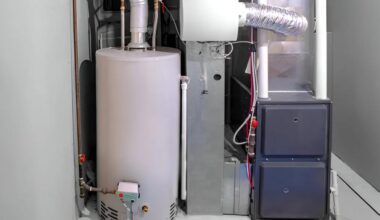
Heating and cooling systems work hard throughout the year. Changing or cleaning air filters is one of the easiest ways to support good airflow and help the system work properly. Check the filter based on the maker’s instructions and replace it when it becomes dirty.
Keep vents and air returns clear of furniture, boxes, or dust. It is also smart to schedule regular service for heating and cooling equipment.
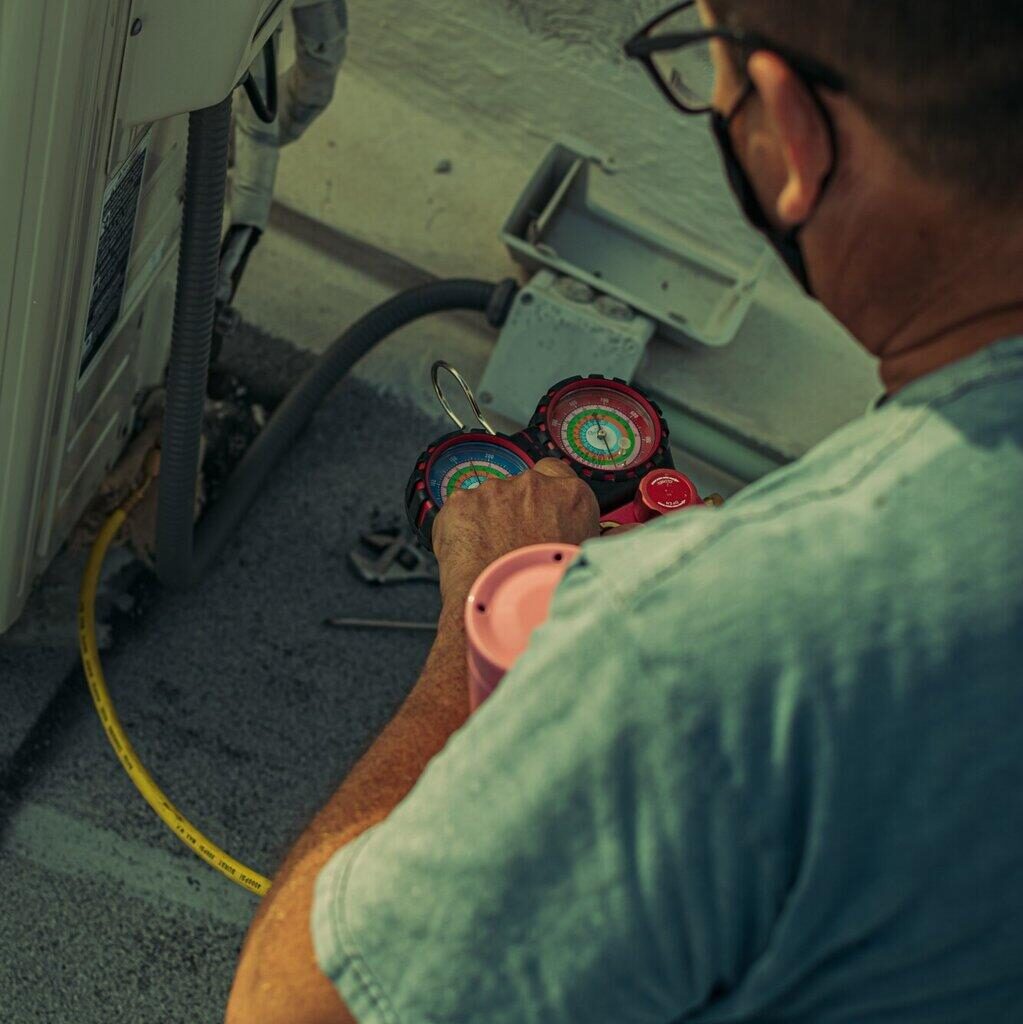
A professional inspection can help find worn parts or other problems before the system fails during very hot or cold weather. Simple care may also help improve comfort and reduce wasted energy.
Inspect Doors, Windows, and Seals
Doors and windows can develop small gaps over time. These gaps may let in drafts, moisture, insects, and outdoor noise. Check the seals around windows and exterior doors.
Replace worn weather stripping or damaged caulk when needed. Make sure doors close and lock correctly. Windows should also open and close without sticking.
Look for cracks around frames, especially after extreme weather. Good seals can help keep indoor temperatures more stable and may reduce the amount of work your heating and cooling system needs to do. These small repairs are often simple but can make a noticeable difference.
Handle Small Repairs Before They Grow
Minor problems are easy to ignore, but they often become harder to fix later. Loose handles, cracked trim, sticking doors, damaged shelves, or dripping faucets are good examples. Set aside time each month to handle a few small repairs.
If your list becomes too long or includes jobs outside your skill level, working with a handyman company can be a practical way to complete several small projects without trying to manage each one alone. Keeping up with minor repairs can also make the home feel more cared for. The goal is to deal with problems while they are still simple.
Take Care of the Exterior
The outside of your home protects everything inside it. Walk around the property every few months and look for signs of wear. Check siding, paint, roofing, steps, railings, and outdoor surfaces.
Look for loose materials, cracks, water stains, or damage caused by wind or storms. Keep plants and tree branches from pressing against the house. Overgrown branches can damage roofing or siding.
Clean leaves and dirt away from drains and walkways. Outdoor maintenance also includes checking fences, gates, decks, and patios. Catching exterior damage early can help prevent moisture and weather from causing more serious problems.
Keep Important Areas Clean
Cleaning is more than making the home look nice. It can also help protect surfaces and equipment. Dust can build up around vents, appliances, and electronics.
Grease can collect in kitchens, while moisture can gather in bathrooms. Clean these areas regularly to reduce buildup. Pay special attention to appliances such as refrigerators, dryers, and ovens.
Follow the manufacturer’s instructions when cleaning filters, vents, or other parts. Keep floors and walkways clear to reduce the risk of trips and falls. A clean home also makes it easier to notice problems such as cracks, leaks, or pest activity before they become harder to manage.
Prepare the Home for Each Season
Seasonal changes can affect different parts of your home. Before winter, check heating systems, windows, pipes, and outdoor faucets. In spring, inspect the roof, gutters, drainage, and exterior surfaces after colder weather.
Summer is a good time to check cooling systems, outdoor areas, and screens. In fall, clear leaves, inspect gutters again, and prepare outdoor equipment for colder months. A seasonal routine helps spread maintenance throughout the year.
It also gives you time to prepare before extreme heat, cold, rain, or storms arrive. Preparing early is often easier and less stressful than making emergency repairs after bad weather causes damage.
Make Home Maintenance Easier to Manage
Home maintenance does not need to take over your free time. The easiest approach is to create a simple schedule and deal with small tasks before they become larger problems. Check for leaks, clean important systems, inspect doors and windows, and keep up with small repairs.
Pay attention to both the inside and outside of the property. It is also important to know when a job requires professional help. Trying to fix something beyond your skills can sometimes create more damage.
With steady habits and a clear plan, home maintenance can become part of your normal routine instead of a source of stress. A little care throughout the year can help protect your home, improve comfort, and reduce the chance of costly repairs later.
Check out the rest of our site for more!