Introduction
We all rely on our home’s essential systems to run smoothly and affordably, especially when aiming for lower utility bills with energy-efficient HVAC services. Among these, the water heater often works tirelessly, providing hot water for daily needs. But what happens when this vital appliance starts to falter? Ignoring the early indicators of a struggling water heater can lead to unexpected breakdowns, costly water damage, and a sudden spike in energy expenses.
Understanding the subtle cues your water heater gives before it completely fails is crucial for proactive home maintenance and significant savings. This guide will help us identify the most common signs your water heater is going out, from strange noises to discolored water, and offer insights into when to consider repairs versus a full replacement. By recognizing these warnings early, we can prevent a cold shower emergency and make informed decisions that protect our homes and budgets.
The Role of Energy-Efficient HVAC Services in Modern Homes
Our homes are complex ecosystems where various systems work in concert to provide comfort and functionality. Central to this is the HVAC (Heating, Ventilation, and Air Conditioning) system, which plays a pivotal role in maintaining indoor climate control. However, true home comfort and energy conservation extend beyond just heating and cooling. It encompasses a holistic approach to energy management, where all major appliances, including water heaters, are integrated into an efficient system. Optimizing HVAC efficiency not only ensures a comfortable living environment but also significantly contributes to reducing our overall energy footprint and, consequently, our monthly utility bills.
How Energy-Efficient HVAC Services Reduce Monthly Utility Bills
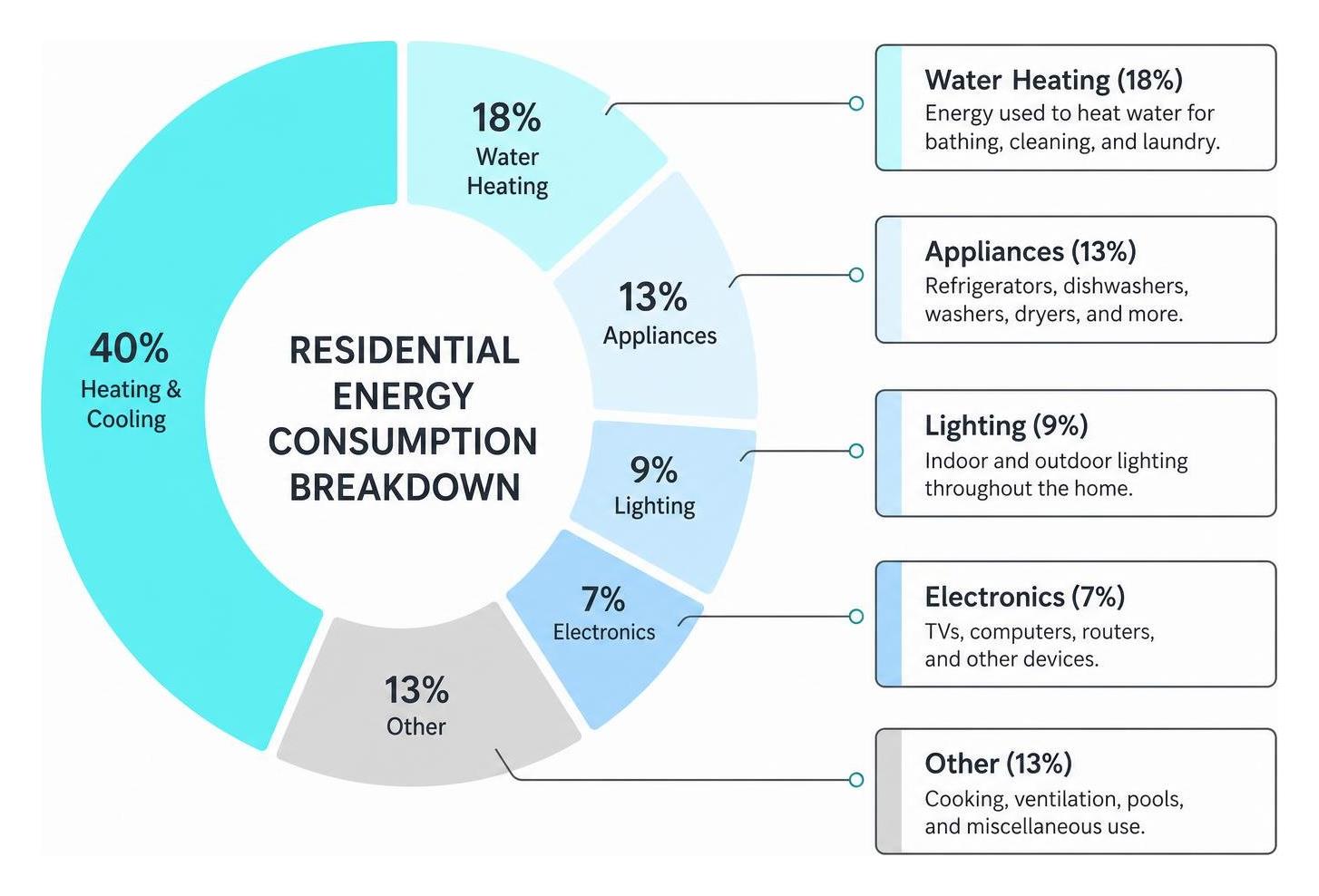
The quest for lower utility bills often begins with a critical look at our home’s energy consumption. Heating and cooling typically represent the largest portion of a household’s energy use, making HVAC system upgrades a prime target for efficiency improvements. Modern energy-efficient HVAC services focus on installing and maintaining systems designed to consume less power while delivering superior performance. This includes everything from high-efficiency furnaces and air conditioners to smart thermostats that optimize energy usage based on occupancy and preferences.
For instance, upgrading to an ENERGY STAR-certified HVAC model can dramatically reduce energy waste, leading to substantial savings over the lifespan of the unit. These systems are engineered to exceed minimum federal energy efficiency standards, often incorporating advanced technologies like variable-speed motors and intelligent controls. Embracing these advanced, energy-saving solutions is a cornerstone of effective home management, providing long-term benefits for both our wallets and the environment. Learning more about comprehensive energy-efficient HVAC services can illuminate how these individual components contribute to a more economical and comfortable home.
Integrating Water Heating with Energy-Efficient HVAC Services
While HVAC systems manage our home’s air temperature, water heating is another significant energy consumer, typically accounting for 14–18% of the average home’s energy costs. Therefore, integrating water heating solutions into a broader strategy of energy-efficient home management is essential. Modern advancements in water heater technology, such as heat pump water heaters, offer remarkable thermal efficiency by extracting heat from the surrounding air to warm water, rather than generating heat directly. This process is far more energy-efficient than traditional electric resistance or gas models.
Considering the significant energy demands of water heating, choosing an energy-efficient model is as crucial as selecting an efficient HVAC system. When we evaluate our home utilities, we should look for opportunities to upgrade to systems that work smarter, not harder. By adopting high-efficiency water heaters, we not only ensure a consistent supply of hot water but also contribute to a more thermally efficient home, further reducing our overall energy consumption and utility expenses. This integrated approach ensures that every major energy-consuming appliance is optimized for peak performance and minimal environmental impact. Homeowners can also review their local energy options when evaluating the long-term costs of operating water heating systems. Understanding Illinois energy options can help residents make informed choices about efficient appliances and manage overall household utility expenses.
Recognizing the Signs Your Water Heater Is Going Out
Our water heater is one of the most hardworking appliances in our home, operating silently in the background until a problem arises. However, these units rarely fail without warning. Recognizing the early signs of a struggling water heater is paramount for proactive maintenance, allowing us to address issues before they escalate into costly emergencies or complete system breakdowns. This section will guide us through common warning signs, system diagnostics, and the importance of preventative maintenance to extend the life of our water heater and ensure its safe operation.
Understanding Water Heater Lifespans: Tank vs. Tankless
The longevity of a water heater largely depends on its type and how well it’s maintained. Traditional tank-style water heaters, which store and continuously heat a reservoir of water, typically have a lifespan of 8–12 years. Most units begin to show signs of failure after their 10th year. Tankless water heaters, on the other hand, heat water on demand and, with proper maintenance, can last 20 years or more.
Several factors influence system longevity, including water quality. Hard water, prevalent in many regions, contains minerals that accelerate sediment buildup and corrosion, significantly shortening a water heater’s life if not regularly flushed. For example, areas with very hard water, like Orange County (averaging 15 grains per gallon), can see reduced lifespans unless diligent maintenance is performed. Understanding these differences is key to anticipating replacement needs and planning accordingly.
| Feature | Tank-Style Water Heater | Tankless Water Heater |
|---|---|---|
| Typical Lifespan | 8-12 years | 20+ years |
| Energy Efficiency | Moderate, standby heat loss | High, heats on demand |
| Hot Water Supply | Limited by tank size | Continuous |
| Maintenance Needs | Annual flushing, anode rod check | Annual descaling, inlet filter clean |
| Hard Water Impact | Sediment buildup, reduced lifespan | Scale buildup in heat exchanger |
| Initial Cost | Lower | Higher |
Common Early Warning Signs of Water Heater Failure
Our water heater often provides subtle cues before a complete breakdown. Being attuned to these common early warning signs can save us from unexpected cold showers and potential water damage.
- Rusty Water:If we notice discolored or rusty hot water, but the cold water runs clear, it’s a strong indicator that the inside of our water heater tank is corroding. This often means the anode rod, designed to protect the tank, has fully depleted.
- Strange Noises:Popping, rumbling, or banging sounds coming from the tank usually point to sediment buildup at the bottom. As the heating element or burner tries to heat water trapped beneath this sediment, it superheats and causes these disruptive noises.
- Pooling Water:Any visible moisture, drips, or pooling water around the base of the unit is a critical sign. While some leaks might be from loose fittings or valves, water originating from the tank body itself signals internal corrosion and an irreparable breach, necessitating immediate replacement.
- Gas Leaks or Rotten Egg Smell:For gas water heaters, a sulfuric, rotten egg smell indicates a gas leak, which is a serious safety hazard requiring immediate professional attention. Additionally, a similar smell in the hot water itself can signify bacterial growth within the tank, often due to low temperature settings.
- Tripped Breakers:If an electric water heater frequently trips its circuit breaker, it could be a sign of a failing heating element or an electrical short within the unit.
- Temperature Fluctuations:Inconsistent hot water temperatures, or water that doesn’t get as hot as it used to, can signal issues with the heating elements, thermostat, or significant sediment accumulation.
- Flow Rate Drops:For tankless units, a noticeable reduction in hot water flow rate is often an early indicator of scale buildup within the heat exchanger, which restricts water passage.
The Impact of Sediment Buildup on Performance
Sediment buildup is a silent enemy of tank-style water heaters, significantly affecting their performance and lifespan. Over time, minerals present in our water supply, particularly in hard water areas, settle at the bottom of the tank, forming a layer of sediment. This accumulation acts as an insulating barrier between the heating element or burner and the water.
When sediment accumulates, the heating components have to work harder and longer to transfer heat through this layer to the water above. This not only reduces the unit’s energy efficiency—with efficiency potentially dropping significantly as sediment builds up—but also leads to thermal stress on the tank’s bottom. This stress can cause the tank bottom to warp or crack, leading to leaks. The constant reheating of water trapped beneath the sediment also causes the popping and rumbling noises we discussed earlier. Regular flushing is crucial to remove these mineral deposits and prevent these detrimental effects, maintaining efficiency and extending the water heater’s operational life.
Safety Risks of Ignoring a Failing Unit
Ignoring the warning signs of a failing water heater isn’t just an inconvenience; it can pose significant safety risks to our home and family.
- Carbon Monoxide Poisoning:For gas water heaters, a malfunctioning unit can produce carbon monoxide (CO), an odorless, colorless, and highly toxic gas. Symptoms of CO poisoning can be mistaken for the flu, making it particularly dangerous. Ensuring proper ventilation and regular inspection of gas units is vital.
- Tank Explosion:While rare, a water heater can explode if its temperature and pressure relief (T&P) valve fails and the thermostat malfunctions, allowing pressure to build to dangerous levels. The T&P valve is a critical safety device designed to release excess pressure and prevent such catastrophic failures.
- Water Damage:A leaking water heater can cause extensive and costly water damage to flooring, walls, ceilings, and personal belongings. This can lead to structural damage, mold growth, and significant repair expenses, often averaging thousands of dollars per incident.
- Electrical Hazards:For electric water heaters, a failing heating element or electrical component can lead to short circuits, tripped breakers, or even electrical fires if not addressed promptly.
Proactive attention to these warning signs and timely professional intervention are essential to mitigate these serious safety risks and protect our home.
Repair vs. Replace: Making the Cost-Effective Decision
When our water heater starts showing signs of trouble, one of the most critical decisions we face is whether to repair the existing unit or invest in a new one. This choice isn’t always straightforward and involves weighing immediate costs against long-term benefits, considering the unit’s age, the nature of the problem, and potential efficiency gains from a new system. Developing a clear decision framework and planning proactively can save us from emergency expenses and ensure we make the most cost-effective choice for our home.
Distinguishing Repairable Issues from Replacement Signals
Not all water heater problems demand a full replacement. Some issues are minor and can be fixed relatively easily, while others are clear indicators that the unit’s time is up.
Repairable Symptoms:
- Loose Fittings or Connections:Leaks originating from the water inlet/outlet pipes or drain valve often just need tightening or replacement of a small part.
- Faulty T&P Valve:If the temperature and pressure relief valve is dripping, it might just need replacement, not the entire unit.
- Pilot Light Issues (Gas):A pilot light that won’t stay lit can often be resolved by cleaning or replacing the thermocouple.
- Failed Heating Element (Electric):A single faulty heating element in an electric unit can be replaced, restoring hot water.
- Thermostat Malfunction:If the water temperature is inconsistent due to a faulty thermostat, it can often be replaced.
Replacement Signals:
- Tank Corrosion/Leaks:Any leak directly from the tank body itself is irreparable. Once the internal lining is compromised, the tank will continue to degrade.
- Age:If the unit is past its typical lifespan (e.g., 10+ years for a tank unit), even minor repairs might not be cost-effective.
- Anode Rod Depletion (leading to tank rust):While the anode rod itself is replaceable, if its depletion has already led to significant internal tank rust, replacement is usually the better option.
- Significant Sediment Buildup (with tank damage):If sediment has baked onto the tank bottom, causing warping or severe efficiency loss that flushing can’t resolve, replacement is often necessary.
- Frequent Repairs:If we find ourselves calling for repairs multiple times a year, the cumulative cost and inconvenience outweigh the benefit of keeping the old unit.
How to Check Your Water Heater’s Age
Determining the age of our water heater is a crucial first step in deciding between repair and replacement. Most manufacturers encode the manufacture date within the serial number, which is typically found on a sticker or data plate attached to the side of the unit.
While the exact format varies by brand, a common method involves the first letter and subsequent digits:
- Month:The first letter often corresponds to the month (A=January, B=February, etc.).
- Year:The next two digits usually represent the year of manufacture. For example, a serial number starting with “F16” would indicate a unit manufactured in June (F) of 2016.
Some brands might use a different convention, such as the first four digits indicating the year and week (e.g., “1605” for the 5th week of 2016). If unsure, we can consult the manufacturer’s website or contact a professional with the full serial number. Knowing the exact manufacture date allows us to accurately assess its age and compare it against its expected lifespan, guiding our repair or replacement decision.
Routine Maintenance Steps to Extend Lifespan
Proactive maintenance is the best way to extend the life of our water heater, maintain its efficiency, and prevent unexpected breakdowns.
- Annual Flushing:Draining and flushing the tank once a year helps remove accumulated sediment. This prevents efficiency loss, reduces noise, and protects the tank from thermal stress and corrosion.
- Anode Rod Replacement:The anode rod is a sacrificial metal rod that corrodes instead of the tank lining. Inspecting and replacing it every 3-5 years (more frequently in hard water areas) is critical for preventing internal tank rust.
- T&P Valve Testing:Annually testing the temperature and pressure relief valve ensures it’s functioning correctly. Gently lift the lever to release a small amount of water; if it doesn’t close properly, it needs replacement.
- Temperature Settings:Setting the water heater thermostat to 120°F is generally recommended. This temperature is hot enough for most household needs, reduces energy consumption, slows mineral scaling, and minimizes the risk of bacterial growth or scalding.
- Water Treatment:In areas with very hard water, considering a water softener can significantly reduce mineral buildup in the water heater and throughout the plumbing system, extending its lifespan.
When Replacement is the Smart Financial Choice
While repairs can seem like the immediate, cheaper option, there are clear scenarios where replacing a water heater is the smarter financial move in the long run.
- The 50 Percent Rule:A common guideline is the “50 percent rule.” If the cost of a repair is 50% or more of the cost of a new unit, it’s usually more economical to replace it. This is especially true for older units.
- Frequent Repairs:If we find ourselves constantly calling for repairs, the cumulative costs quickly add up. Investing in a new, reliable unit eliminates these recurring expenses and the inconvenience of repeated breakdowns.
- Efficiency Gains:Older water heaters are significantly less energy-efficient than modern models. Replacing a 10+ year old unit with an ENERGY STAR-certified model can reduce water heating energy use by up to 30%, leading to substantial savings on utility bills over its lifespan. These efficiency gains often make the upfront cost of a new unit pay for itself over time.
- Proactive Replacement:Waiting for a water heater to fail completely often results in an emergency replacement, which can be more expensive due to expedited service and limited choices. Proactive replacement allows us to research options, choose an energy-efficient model that fits our needs, and schedule installation at our convenience, often avoiding higher emergency service fees.
Considering these factors helps us move beyond short-term fixes and make a strategic decision that benefits our budget and home comfort for years to come.
Frequently Asked Questions About Home Energy and Water Heaters
Homeowners often have many questions about their water heaters and how they impact overall home energy. Here, we address some of the most common inquiries to help us troubleshoot and make informed decisions about energy savings.
How do I know if my water heater is failing?
Several key indicators can signal that your water heater is nearing the end of its life or experiencing significant issues. We should look out for lukewarm water or a complete lack of hot water, which could point to a failing heating element or thermostat. Discolored water, particularly rusty or brownish hot water when the cold water is clear, suggests internal tank corrosion. Strange noises like popping, rumbling, or banging often indicate sediment buildup. Finally, any pooling water around the base of the unit is a critical sign of a leak from the tank itself, requiring immediate attention. If we observe one or more of these signs, especially on an older unit, it’s time for a professional assessment.
Can a failing water heater increase my energy bills?
Absolutely. A failing water heater can significantly increase our energy bills due to a variety of factors related to its declining efficiency. As sediment builds up at the bottom of the tank, it creates an insulating barrier that forces the heating elements or burner to work harder and longer to heat the water. This efficiency loss means the unit consumes more energy to achieve the desired temperature. Additionally, issues like a faulty thermostat can cause the unit to engage in continuous cycling, heating water unnecessarily or attempting to heat water that isn’t reaching the set temperature, leading to wasted energy. An older, less efficient unit simply cannot perform as well as a newer model, and its struggle directly translates to higher energy consumption and increased monthly utility costs.
Is it better to repair or replace an aging water heater?
The decision to repair or replace an aging water heater depends on several factors, including the system age, the nature and frequency of repairs, and the potential for long-term savings. For units under 8-10 years old with minor, isolated issues (like a faulty heating element or T&P valve), a repair might be cost-effective. However, if the unit is past its typical lifespan (over 10 years for a tank-style) or requires frequent repairs, replacement is generally the smarter choice. The “50 percent rule” suggests replacing if the repair cost exceeds half the price of a new unit. A new, energy-efficient model will offer better performance, reliability, and significant savings on energy bills over its lifespan, making it a sound investment for our home’s future.
Conclusion
Understanding the subtle signals our water heater sends before it fails is not just about avoiding a cold shower; it’s about protecting our home, managing our budget, and optimizing our home’s overall energy efficiency. From recognizing rusty water and strange noises to understanding the impact of sediment buildup and the critical importance of safety, being informed empowers us to act proactively.
By implementing proactive maintenance like annual flushing and anode rod replacement, we can significantly extend the lifespan of our water heater. When the time comes to decide between repair and replacement, considering the unit’s age, the nature of the problem, and the potential for energy efficiency gains from a new model allows us to make a truly cost-effective decision. A well-maintained or appropriately upgraded water heater contributes to greater home comfort, lower utility bills, and peace of mind for years to come.