Every gardener knows the feeling of walking out to their vibrant flower beds or vegetable patches only to find Swiss-cheese leaves, wilting stems, or missing seedlings. While a healthy ecosystem requires some insects, certain “bad actors” can decimate a season’s worth of hard work in just a few days. Understanding who these invaders are and how to manage them is the first step toward a thriving landscape.
The Sap-Suckers: Aphids and Spider Mites
Among the most common and prolific garden invaders are aphids. These tiny, pear-shaped insects cluster on the undersides of leaves and at the tips of new growth. They use piercing mouthparts to suck the nutrient-rich sap directly from the plant’s vascular system. If left unchecked, they cause leaves to curl, yellow, and stunt the plant’s overall development. They also excrete “honeydew,” a sticky substance that often leads to the growth of black sooty mold.
Spider mites are equally destructive but much harder to see. If you notice fine webbing between stems or a “stippled” look on leaves (tiny yellow or white dots), you likely have a mite infestation. They thrive in hot, dry conditions and can quickly weaken ornamental shrubs and flowers.
The Solution: For small infestations, a strong blast of water from a garden hose can physically dislodge them. For more persistent problems, insecticidal soaps or neem oil are effective, eco-friendly treatments. Encouraging beneficial insects like ladybugs and lacewings is also a great long-term biological control strategy.
The Leaf-Eaters: Caterpillars and Slugs
Caterpillars, the larvae of various moths and butterflies, are voracious eaters. While some are welcome (like the Monarch caterpillar on milkweed), others like the Tomato Hornworm or Cabbage Looper can strip a plant of its foliage overnight.
Slugs and snails are the “night raiders” of the garden. They prefer cool, moist environments and leave behind unmistakable shimmering slime trails. They are particularly fond of hostas, lettuce, and succulent seedlings, often eating large, irregular holes out of the center of leaves.
The Solution: Hand-picking is surprisingly effective for larger caterpillars. For slugs, removing hiding spots like heavy mulch or debris near vulnerable plants can help. Diatomaceous earth or copper tape around the base of pots and garden beds creates a physical barrier that these soft-bodied pests find difficult to cross.
The Structural Saboteurs: Japanese Beetles and Grubs
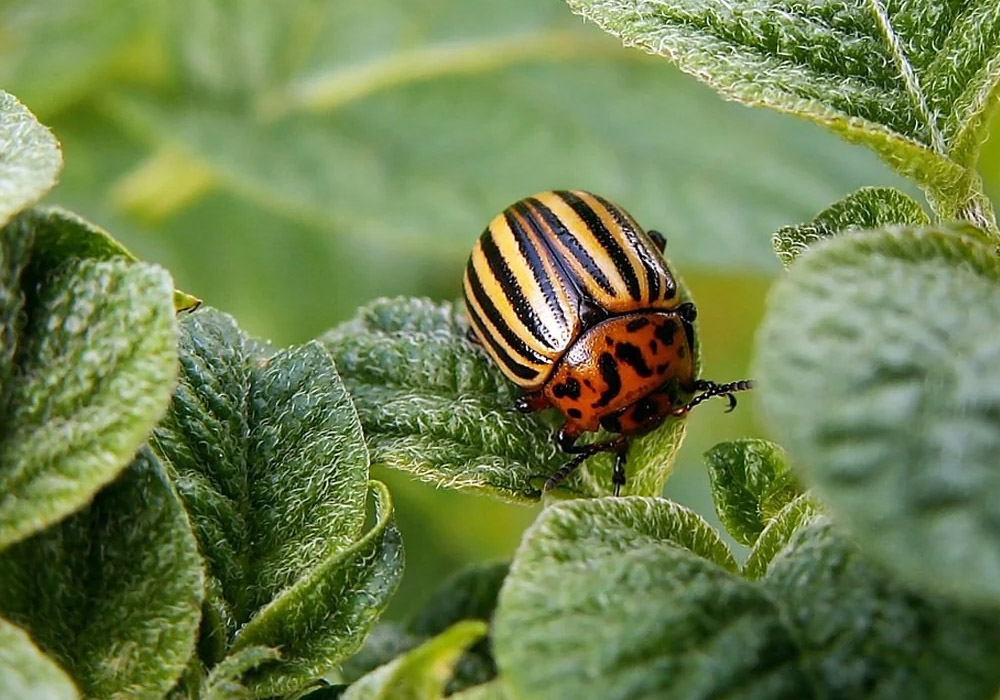
Japanese Beetles are a dual-threat pest. In their adult stage, these metallic green beetles “skeletonize” leaves, eating everything but the veins. They are highly mobile and release pheromones that attract even more beetles to your yard. In their larval stage, they exist as white grubs beneath the soil, where they feast on the roots of your lawn, causing large brown patches of dead grass.
The Solution: Adult beetles can be knocked into a bucket of soapy water in the early morning when they are sluggish. For the grubs, applying milky spore or beneficial nematodes to the lawn can significantly reduce the population over several seasons.
Beyond the Insects: Larger Intruders
While insects are the most frequent culprits, larger pests can cause significant structural damage to your landscaping and foundation. Voles, moles, and rats often use garden beds as cover or food sources. Voles, in particular, will gnaw on the bark of young trees and shrubs or eat through root systems from underground.
If you find your garden beds being burrowed into or structural plants gnawed at the base, it might be time to seek professional rodent control in Kansas City, MO to protect your outdoor investment. These larger pests often require more sophisticated exclusion methods than simple sprays to ensure they don’t migrate from the garden into your home.
General Prevention and Garden Health
The best defense against garden pests is a healthy plant. Pests are naturally drawn to plants that are already stressed by drought, poor soil nutrition, or overcrowding.
- Crop Rotation: If you grow vegetables, never plant the same family in the same spot two years in a row. This breaks the life cycle of soil-borne pests.
- Companion Planting: Marigolds, alliums, and herbs like basil and mint can naturally repel certain pests through their scent.
- Sanitation: At the end of the growing season, clear out dead plant material. Many pests overwinter in the debris left behind in the garden.
By staying vigilant and using a combination of cultural, biological, and occasionally professional interventions, you can ensure your garden remains a beautiful, productive sanctuary throughout the year.