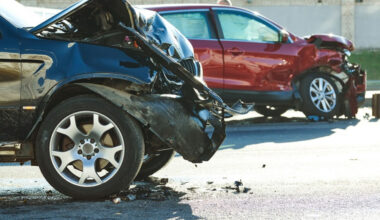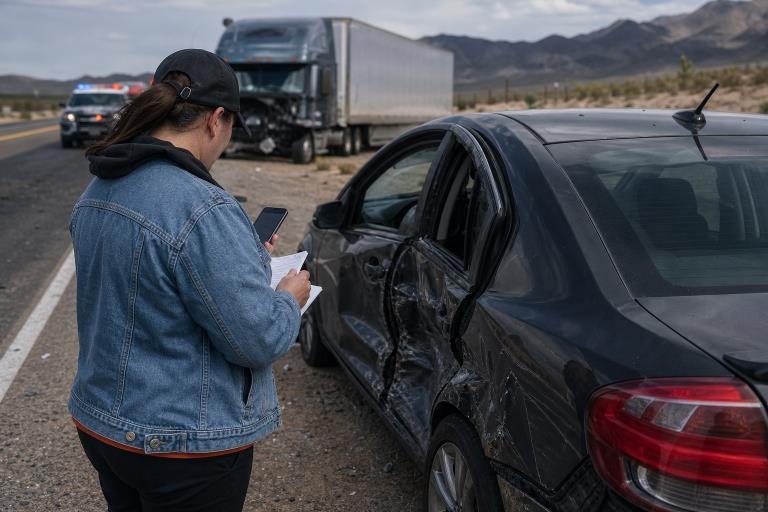
A collision with a commercial truck can turn an ordinary drive through Las Vegas, Henderson, North Las Vegas, or the rural highways connecting Nevada communities into a serious and confusing event. Beyond the immediate shock, injured people may need medical care, vehicle repairs, time away from work, and legal representation for Nevada truck accident victims when the crash involves disputed facts or substantial losses.
Car accident claims can be complex, but truck accident cases often add layers that are not present in a typical two-car collision. A tractor-trailer may be owned by one company, driven by a worker employed by another, loaded by a separate business, and insured through commercial policies. Determining what happened can require more than comparing driver statements at the roadside.
More Parties May Be Involved
In many passenger-car claims, the central question is whether one driver acted carelessly. A truck crash may require a broader review. Depending on the circumstances, potentially involved parties can include:
- The truck driver.
- The motor carrier or trucking company.
- The truck or trailer owner.
- A cargo shipper, broker, loader, or warehouse operation.
- A maintenance provider or repair facility.
- A manufacturer, if a vehicle component may have failed.
That does not mean every company connected to a truck is legally responsible. It does mean that a careful investigation may be necessary before anyone can fairly assign blame. This can be particularly important on busy Nevada routes such as Interstate 15, where commercial traffic, tourism, construction activity, and fast-changing traffic patterns may all affect a crash scene.
Commercial Trucking Records Can Change the Investigation
Driver and Company Records
Commercial drivers and carriers may maintain records that do not exist in an ordinary car accident case. These can include inspection reports, training records, dispatch communications, route information, maintenance documents, cargo paperwork, and electronic logging information. Federal rules address issues such as driver hours of service, and the limits on commercial driving time and required rest periods can become relevant when fatigue is alleged.
These records may help answer practical questions. Was the driver working within an assigned route? Was the truck inspected? Did the vehicle have a known mechanical issue? Was the cargo secured and loaded appropriately? The records alone may not settle a claim, but they can provide context that is unavailable in a standard car-versus-car collision.
Electronic Data and Video
Modern commercial vehicles may also generate electronic information. Depending on the truck and equipment, evidence could include GPS information, onboard camera footage, communications through a dispatch system, or event data. The technical information recorded around a crash event may include vehicle dynamics, driver inputs, and system status for a short period before, during, and after a collision.
Not every truck will have every type of record, and not every data point proves fault. Still, this evidence can become important when the accounts of drivers and witnesses differ. Because some digital files and surveillance recordings may be retained only for limited periods, it is wise to preserve photos, dash camera footage, messages, and other materials in a person’s own possession as soon as possible.
The Injuries and Losses May Be More Extensive
Commercial trucks are substantially larger than passenger vehicles, and crashes can produce significant vehicle damage and serious injuries. A person may need emergency treatment, follow-up appointments, physical therapy, medication, or time away from work. Symptoms can also emerge after the initial adrenaline of a crash fades.
For that reason, medical attention should not be delayed simply because someone feels able to leave the scene. Following the treatment plan, attending recommended appointments, and keeping bills, instructions, work restrictions, and transportation receipts can create a clearer record of recovery. A gap in treatment does not automatically decide a claim, but it can make the medical timeline harder to understand later.
Early Steps Can Protect Health and Evidence
At the Crash Scene
Safety comes first. Call 911, move out of traffic if it is safe to do so, and stay clear of fuel leaks, damaged vehicles, spilled cargo, and active lanes. Tell emergency responders about visible injuries, fires, blocked lanes, or concerns about hazardous cargo. Do not stand between vehicles or approach an unstable trailer.
If physical condition and safety allow, gather basic facts rather than debating fault. Useful details can include the truck’s company markings, license plate and trailer numbers, the driver’s name, the location, the time, witness contact information, and the responding agency. Ask later how to request the police crash report.
Photos and Notes
Photographs can preserve conditions that may change quickly after a Nevada crash. Take wide and close images of vehicle damage, lane markings, traffic signals, road signs, debris, skid marks, weather, lighting, and visible cargo, but only from a safe location. Keep original image files whenever possible.
As soon as practical, write down what you remember. Note the direction of travel, lane positions, traffic movement, weather, sounds, and statements you heard. Avoid adding assumptions. A factual timeline, along with a daily symptom log, may be more useful than trying to reconstruct every detail from memory weeks later.
Insurance Issues Can Be Less Straightforward
A trucking company may have commercial insurance coverage and experienced claims representatives. Multiple insurers may also become involved when a truck, trailer, cargo load, or another vehicle is connected to the event. An early settlement offer may not account for future treatment, lost income, or the complete scope of property damage.
Report the collision as required by your own insurance policy, but be careful with recorded statements, medical authorizations, releases, and settlement paperwork. Give accurate basic facts. Do not guess about speed, fault, or the full extent of injuries before the evidence and medical condition are clear.
When Additional Guidance May Help
Legal guidance may be useful when injuries are serious, responsibility is disputed, a commercial carrier is involved, evidence could disappear, or an insurer seeks a recorded statement or release. It can also help when several companies are connected to the truck or when a crash involves a fatality, hazardous cargo, or major damage.
Conclusion
Truck accident claims in Nevada can be more complicated than car accident cases because they may involve more parties, more records, more insurance issues, and more serious consequences. A calm response can make a meaningful difference. Prioritize safety and medical care, document what can be documented, keep important records, and avoid making rushed decisions before the facts are fully known.