A good equestrian facility should make daily care easier for both horses and people. The right design can improve safety, movement, storage, and comfort across the whole property.
Planning should begin with how the space will be used each day. Barns, arenas, wash areas, storage, and pathways all need to work together in a simple and practical way.
Plan the Layout Around Daily Use
Layout is one of the most important parts of equestrian facility design.
Stalls, grooming areas, riding spaces, and storage should be close enough to work together without creating crowded paths.
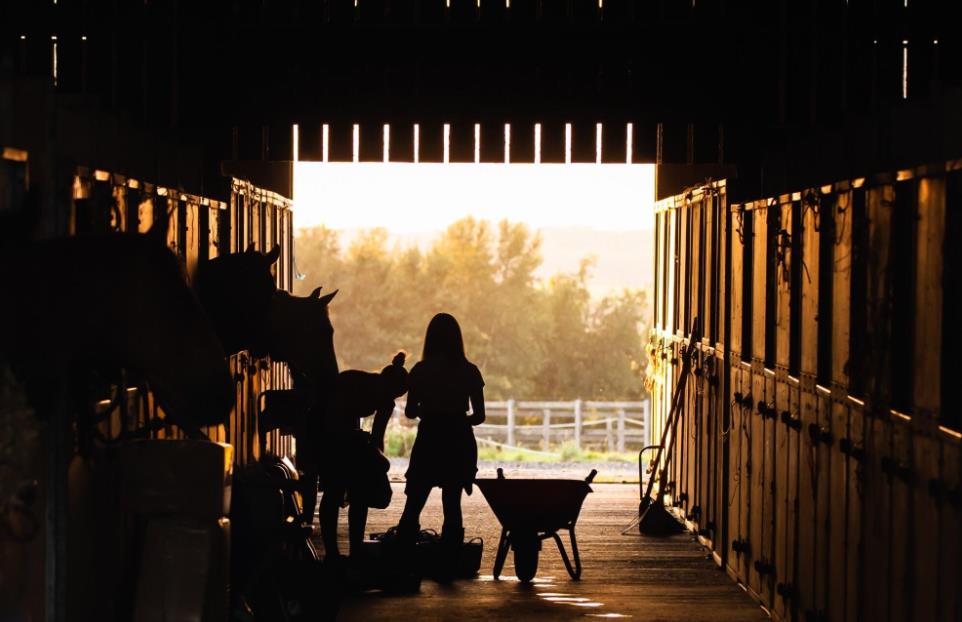
Wide walkways can make it easier to move horses safely. Gates and doors should also be placed where they do not block normal traffic.
Think about how people will move feed, tack, bedding, and equipment during the day. A smart layout can save time and reduce repeated trips across the property.
It also helps to leave room for future changes. Extra space may make it easier to add stalls, storage, or another riding area later.
Choose Strong and Practical Materials
Materials should be selected for strength, safety, and easy care.
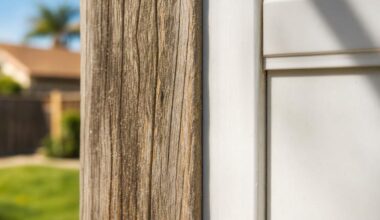
Wood can create a classic barn look, but it may need more regular maintenance. Steel can offer strong support and may be easier to care for over time.
Flooring also matters. Stall mats can provide a softer surface for horses and make cleaning easier.
Non-slip surfaces are useful in wash areas, aisles, and other places where water may collect.
When comparing quality equestrian barns and buildings, it helps to look at how the structure, materials, and interior layout will support daily horse care.
Durable materials can also reduce the need for frequent repairs.
Add Useful Storage and Comfort Features
A well-designed facility needs enough storage to stay organized.
Tack rooms, feed areas, tool storage, and space for cleaning supplies can help keep important items easy to find.
Wash stalls are another useful feature. They give owners a clear place for bathing, grooming, and basic care.
Good lighting can make the whole facility easier to use. Natural light is helpful during the day, while safe artificial lighting supports early morning or evening work.
You may also want a simple rest or viewing area for riders, owners, and visitors.
These features do not need to be large. They just need to be placed where they are useful.
Make Safety and Horse Comfort a Priority
Safety should guide every part of the design.
Fencing should be strong, visible, and suitable for horses. Sharp edges, loose boards, and unsafe gaps should be avoided.
Ventilation is also very important in barns. Fresh airflow can help reduce dust, moisture, and strong smells.
Stalls should provide enough room for horses to move and rest comfortably.
Regular maintenance checks can help spot loose hardware, damaged fencing, poor drainage, or worn flooring before they become bigger problems.
Emergency access should also be part of the plan. Vehicles and staff should be able to reach important areas quickly if needed.
Conclusion: Build a Facility That Works Every Day
The best equestrian facilities are designed around real daily needs.
A practical layout, strong materials, useful storage, good lighting, and safe horse areas can all improve the way the property works.
Comfort and safety should stay at the center of every decision.
With careful planning, an equestrian facility can become easier to manage, more comfortable for horses, and more enjoyable for riders and visitors.