Finding a reliable used vehicle takes careful checking before you make an offer. Buying a used car can save money, but missed problems can lead to high repair costs later. Taking time to inspect the vehicle can help you avoid buying someone else’s problem.
A step-by-step inspection can reveal hidden mechanical issues, body damage, and missed maintenance. Smart buyers look beyond clean seats and shiny paint. They check the parts that may cause trouble later. A simple checklist can help you stay in control during the buying process.
Exterior and Body Inspection
Walk around the vehicle in bright daylight. Look for uneven gaps between body panels and paint that does not match. Shoppers who look for used cars for sale Roseville or in the area should check for small ripples in the body panels. These may show that the car had body repairs in the past. Look for rust near fender edges and under door seals. Even small rust spots can spread if they are not treated.
Open each door, the hood, and the trunk. Check the hinges for signs of sticking or damage. Look over the glass for small chips and thin cracks. These can grow in cold weather or with sudden temperature changes. Fresh undercoating under the vehicle may hide frame damage or serious rust.
Evaluating Vehicle Mileage and Service Records
Low mileage can attract buyers, but high mileage does not always mean a bad car. A vehicle with 70,000 miles and good service records may be more reliable than a 30,000-mile car with no repair history. Regular oil changes, brake service, and fluid changes protect the engine and other major parts.
Ask the seller for full maintenance receipts or a vehicle history report. Service records from trusted repair shops can show that the owner kept up with needed work. Those missed services can lead to sudden and costly breakdowns.
Compare the mileage on the odometer with the condition of the interior. Heavy wear on brake pedals or faded leather on the steering wheel can be a warning sign on a low-mileage vehicle. Check the seats, carpets, and control knobs as well.
Similar wear across these areas can give you more confidence that the mileage is accurate.
Checking Tires and Undercarriage Safety
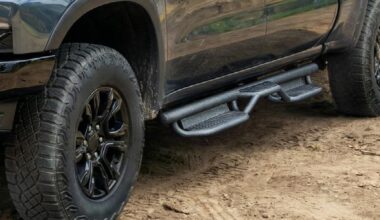
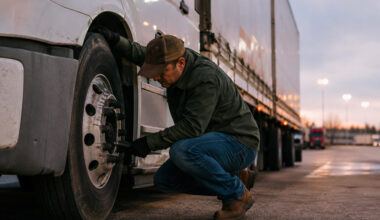
Tires can reveal how well the previous owner cared for the car. Uneven tread wear can point to poor wheel alignment or worn suspension parts. Check the tread depth on all four tires, as this can help you estimate when new tires may be needed.
Look at each tire sidewall for cracks, bulges, or punctures. Similar tire brands and types can suggest that the vehicle received proper tire care.
Quick undercarriage inspection items include:
- Check brake rotors for deep grooves or heavy rust
- Inspect the rubber boots around constant velocity joints for grease leaks
- Look for fluid drips around the steering system or exhaust pipes
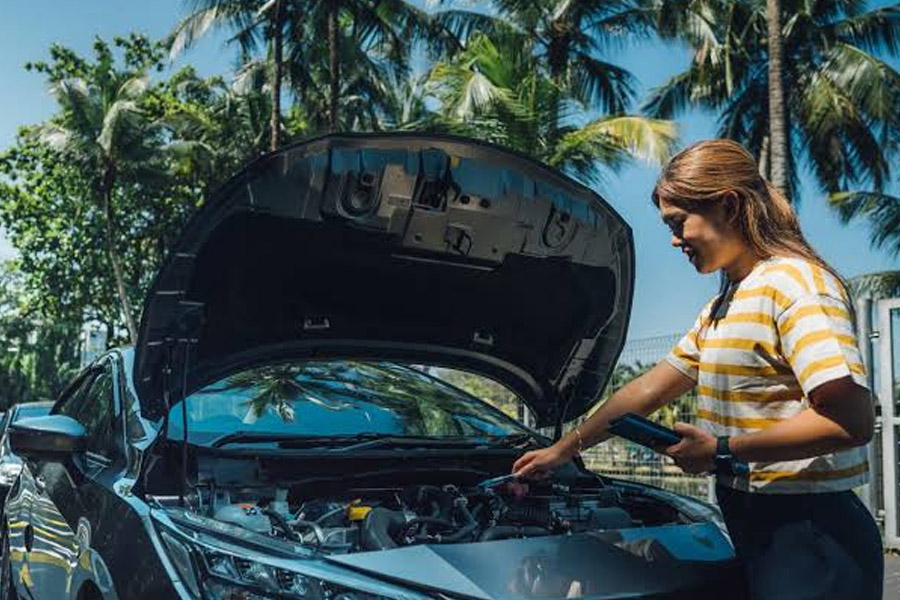
Fluid under the engine bay can signal several problems. Leaks may come from damaged gaskets, lost steering fluid, or radiator problems. Finding these issues before you buy can help you avoid unexpected repair bills.
How to Make a Confident Used Car Purchase
Trust your instincts if something feels wrong during the inspection or test drive. You can always walk away from a deal that raises concerns. Taking control of the inspection process can protect your money and lead to a safer, more confident purchase. If you are interested in similar topics, visit our website.