A well-designed backyard serves as an extension of your home’s interior living space, providing a versatile environment for relaxation, entertainment, outdoor dining, and family recreation. However, unorganized outdoor layouts often result in wasted space, overgrown greenery, and poor flow between activity zones. Transforming an underutilized yard into an efficient, multi-functional outdoor haven requires strategic planning, smart landscape design, dedicated functional zones, durable perimeter security, and low-maintenance materials that support your daily lifestyle needs seamlessly.
Define Distinct Activity Zones for Purposeful Outdoor Living
The key to creating a highly functional backyard lies in dividing the overall footprint into purposeful, distinct activity zones. Just as your home features separate rooms for cooking, relaxing, working, and sleeping, your yard should offer dedicated spaces tailored to specific outdoor activities.
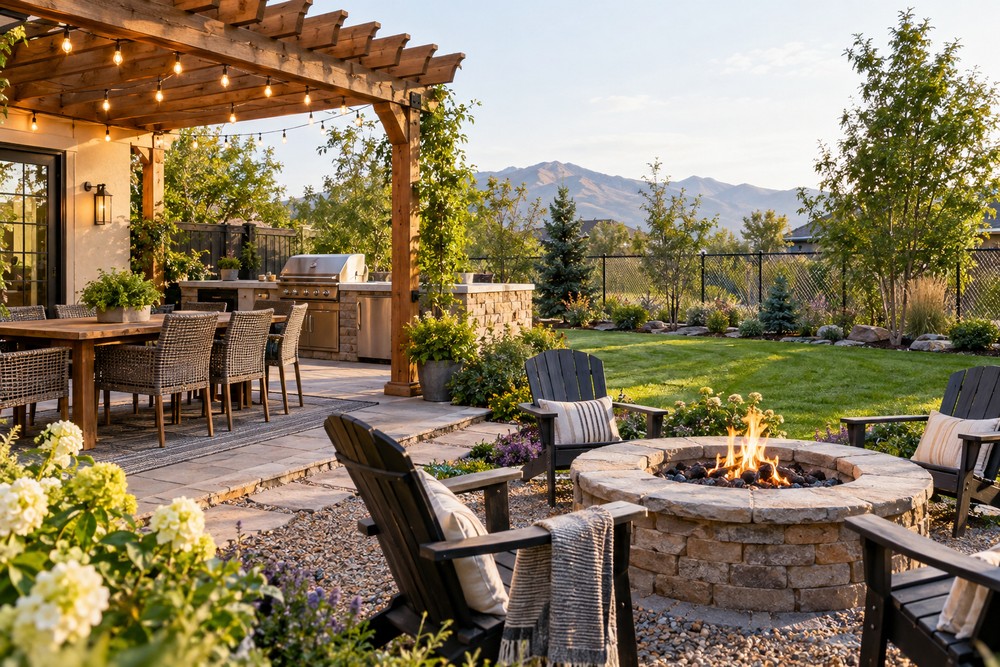
Start by evaluating how your household prefers to use outdoor space. Allocate central paved areas near back doors for dining and cooking, construct cozy fire pit nooks in quieter corners for evening relaxation, and reserve open lawn spaces for children, pets, or outdoor sports.
Establishing clear transitions between zones using stone walkways, low retaining walls, or garden beds creates an intuitive visual flow. Organically separating active play areas from peaceful lounging zones ensures family members can enjoy different outdoor pursuits simultaneously without crowded interference.
Designing Integrated Outdoor Dining and Cooking Hubs
Positioning outdoor kitchens or grilling stations close to interior kitchens streamlines food prep logistics and simplifies outdoor entertaining.
Installing durable dining tables beneath pergolas provides shade, creating an inviting alfresco dining sanctuary. Strategic dining layouts enhance outdoor hospitality.
Creating Cozy Fire Pit Retreats for Evening Lounging
Constructing stone fire pits encircled by comfortable seating creates a natural gathering point for chilly evening conversations.
Surrounding fire features with pea gravel or paver stones prevents grass scorch marks while defining a dedicated relaxation zone. Defined fire nooks extend seasonal yard utility.
Establish Secure Perimeters and Functional Property Boundaries
A truly functional backyard must provide privacy, safety, and security for family members, pets, and outdoor equipment. Defining your property lines with durable perimeter fencing creates a safe sanctuary while preventing pets from straying into neighborhood streets.
Select fencing materials that align with your specific functional goals, such as privacy, pet containment, or clear sightlines. Installing sturdy perimeter enclosures keeps children secure inside play zones while deterring neighborhood pests from wandering into vegetable gardens.
For property owners seeking cost-effective, long-lasting boundary protection that maintains open views across mountain landscapes, securing professional installation services is essential. Scheduling chain link fence installation in Salt Lake City provides durable, low-maintenance pet containment and boundary security that withstands harsh weather conditions for decades.
Choosing Durable Materials for Active Pet Containment
Heavy-duty metal wire mesh fencing resists pet chewing, scratching, and climbing, keeping active dogs safely enclosed within designated yard boundaries.
Installing bottom tension wires along fence lines stops digging pets from escaping under perimeter barriers. Secure fencing delivers complete peace of mind.
Defining Internal Garden Enclosures and Utility Zones
Erecting internal low-profile fences around vegetable patches prevents family pets from trampling delicate crops or disturbing soil beds.
Separating utility storage areas behind decorative privacy screens keeps trash bins and lawn mowers hidden from main entertainment patios. Internal barriers optimize yard organization.
Incorporate Smart Storage Solutions to Eliminate Outdoor Clutter
Accumulated clutter—such as stray garden tools, lawn mowers, patio cushion sets, pool toys, and sporting gear—quickly degrades backyard functionality and visual appeal. Integrating smart, weather-resistant storage solutions keeps your outdoor space organized and hazard-free.
Install multi-functional furniture featuring built-in storage compartments, such as bench seating with lift-up tops, hollow coffee tables, or weather-proof deck boxes. Dual-purpose furniture maximizes usable patio space while keeping outdoor cushions protected from sudden rain showers.
For larger equipment, construct a dedicated garden shed or lean-to structure tucked neatly along side yards. Organizing sheds with wall-mounted hooks, shelving units, and tool racks ensures lawn maintenance gear remains accessible without cluttering your primary entertaining zones.
Utilizing Dual-Purpose Storage Benches on Patios
Bench seating equipped with internal storage cavities offers comfortable guest seating while keeping pool towels and outdoor games organized.
Sealed storage furniture protects fabric cushions against moisture damage, extending the lifespan of outdoor upholstery. Multi-functional furniture maximizes compact patio footprints.
Constructing Organized Garden Sheds and Tool Racks
Installing vertical wall tracks inside utility sheds keeps long-handled shovels, rakes, and trimmers lifted off floor surfaces.
Organizing garden tools systematically saves time during weekend maintenance while keeping sharp blades stored safely away from children. Structured storage maintains yard safety.
Optimize Outdoor Lighting for Nighttime Safety and Ambiance
A functional backyard should remain usable long after the sun goes down. Incorporating a layered outdoor lighting scheme enhances nighttime safety, highlights landscape features, and creates a warm, welcoming ambiance for evening gatherings.
Layer your outdoor lighting by combining functional task lighting, safety pathway illumination, and soft ambient accent lights. Install bright LED floodlights near cooking stations and entry doors to ensure safe food preparation and secure nighttime navigation.
Along walkways, stairs, and patio edges, place low-voltage solar or LED pathway lights to prevent trip hazards. Adding string lights across pergolas or placing uplights beneath shade trees adds romantic warmth, transforming your backyard into an inviting evening retreat.
Illuminating Walkways and Elevation Steps
Positioning low-profile step lights along deck stairs and stone pathways prevents stumbles during dark evening events.
Continuous pathway illumination guides guests safely between activity zones without requiring harsh overhead floodlights. Safety lighting protects family and visitors.
Layering Ambient String Lights and Accent Uplighting
Hanging ambient Edison string lights above seating patios provides soft, glare-free illumination perfect for evening conversation.
Directing low-voltage spotlights onto specimen trees or water features adds dramatic visual depth to your nighttime landscape. Ambient lighting cultivates cozy atmospheres.
Select Low-Maintenance Landscaping and Hardscape Elements
Spending entire weekends mowing, weeding, and watering reduces the time you actually spend enjoying your backyard. Designing a low-maintenance landscape allows you to maximize outdoor enjoyment while minimizing labor-intensive yard chores.
Replace high-maintenance lawn grass with durable hardscape materials like paver patios, flagstone pathways, or gravel courtyards. Hardscaping reduces water usage, eliminates mowing demands, and creates stable, level surfaces for patio furniture and outdoor dining sets.
When selecting plants, opt for native perennials, drought-tolerant shrubs, and ornamental grasses adapted to your local climate. Mulching garden beds heavily suppresses weed growth, retains soil moisture, and gives your landscape a clean, polished appearance year-round.
Expanding Paver Patios to Reduce Mowing Demands
Replacing struggling grass lawns with stone paver patios expands outdoor living areas while reducing water bills and weekend mowing chores.
Interlocking pavers offer exceptional durability, resisting cracking during freeze-thaw cycles better than poured concrete. Hardscaping delivers long-term utility.
Incorporating Native Perennials and Automated Irrigation
Planting native drought-tolerant flowers attracts beneficial pollinators while thriving on natural rainfall once established.
Installing drip irrigation systems equipped with smart rain sensors delivers water directly to plant roots efficiently without waste. Smart irrigation simplifies garden care.
Add Weather Protection Elements for Year-Round Comfort
Exposed backyards subject to intense summer heat or sudden rain showers often go unused during weather extremes. Incorporating weather protection elements extends the usability of your outdoor space across all four seasons.
Install permanent architectural shade structures like wood pergolas, covered porches, or retractable awnings over primary seating patios. Shade covers lower ambient temperatures significantly during hot summer afternoons, protecting family members from harsh UV radiation.
To combat cold weather, incorporate outdoor heating elements such as freestanding propane patio heaters, overhead radiant heaters, or built-in outdoor fireplaces. Providing protection from sun, wind, and cold ensures your backyard remains a comfortable, functional gathering space throughout the year.
Installing Pergolas and Retractable Shade Canopies
Overhead pergolas fitted with retractable fabric canopies allow you to adjust shade levels dynamically based on sun positions.
Shade structures protect patio furniture from fading under direct sunlight, preserving your outdoor decor investments. Adjustable shade maximizes summer comfort.
Integrating Outdoor Heaters and Fire Features
Positioning tall infrared patio heaters near outdoor dining tables keeps guests warm during chilly autumn dinners.
Built-in outdoor fireplaces serve as striking visual centerpieces while radiating steady heat for cozy winter lounging. Outdoor heating extends seasonal usability.
Conclusion
Creating a more functional backyard requires a strategic blend of thoughtful spatial planning, secure perimeter fencing, smart storage solutions, layered outdoor lighting, low-maintenance landscaping, and climate-control amenities. By dividing your yard into purposeful activity zones, securing boundaries, eliminating outdoor clutter, and installing durable hardscapes, you transform an underutilized outdoor space into a versatile sanctuary. Investing in functional backyard improvements enhances your daily quality of life, expands your home’s usable living area, and creates a beautiful, inviting environment where family and friends can gather comfortably for years to come.