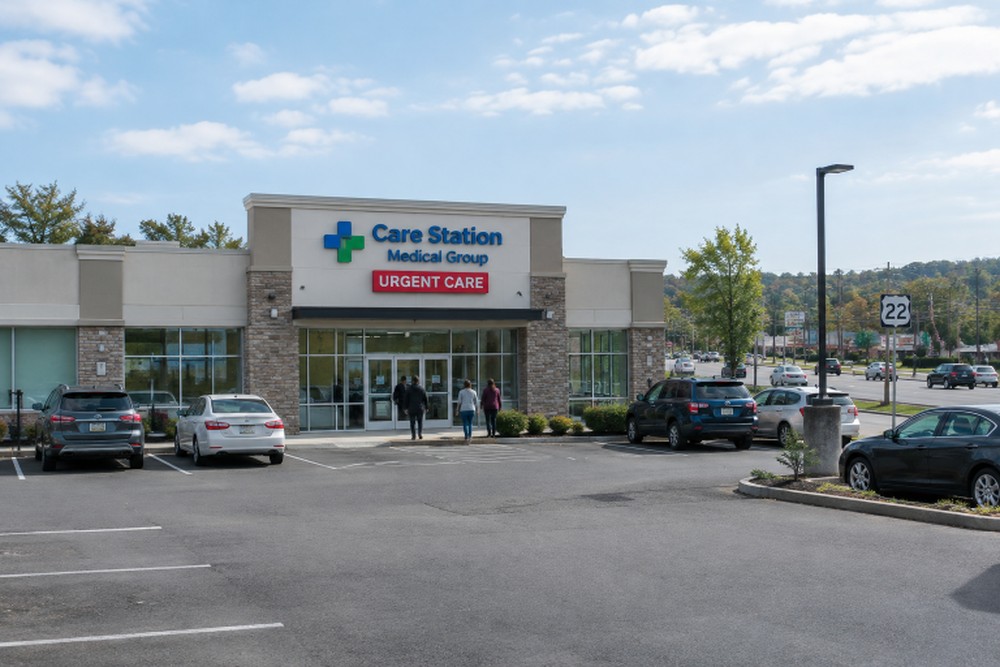
When an illness or minor injury needs prompt attention and a regular appointment is not available, the walk in medical clinic Springfield, NJ, at Care Station Medical Group can provide a practical option for many non-life-threatening concerns. Patients can walk in for an evaluation rather than waiting days for an open appointment.
Care Station Medical Group in Springfield is located at 90 Route 22 West, Springfield, NJ 07081. Its posted hours are 8 a.m. to 9 p.m. Monday through Friday and 8 a.m. to 6 p.m. on Saturday and Sunday. Hours and service availability can change, so patients should confirm details before leaving home.
When Should Springfield Residents Choose Walk-In Care?
Walk-in care is designed for health concerns that should be evaluated soon but do not appear to be life-threatening. It can be useful when symptoms begin suddenly, a minor injury occurs after normal office hours, or a school, work, or sports requirement needs timely attention.
Care Station Medical Group combines urgent care access with primary care and diagnostic services. That combination may be especially helpful for patients who need an immediate assessment and may also need follow-up, preventive care, or help managing an ongoing condition.
In general, problems that are not life-threatening or likely to cause disability may be appropriate for an urgent care clinic when a regular provider cannot see a patient soon enough. A clinician should always determine the most appropriate setting after considering the symptoms and medical history.
Why Care Station Medical Group Is a Practical Local Option
Care Station Medical Group offers Springfield families access to care seven days a week, including evening weekday hours. Its care teams include doctors, physician assistants, and nurse practitioners, and the Springfield location lists on-site X-rays, laboratory services, ultrasound, and diagnostic testing.
Having multiple services in one medical group can simplify a visit. Instead of starting with an evaluation at one location and then seeking imaging or lab work elsewhere, a patient may be able to complete the recommended testing as part of the same care process. The appropriate tests depend on the patient’s symptoms and the clinician’s assessment.
What Conditions May Be Treated Through Walk-In Care?
Walk-in care can address many everyday health concerns. The exact services needed, and whether urgent care is appropriate, depend on the severity of the condition.
Common Illnesses
- Cold, flu, sinus, throat, ear, and respiratory symptoms
- Fever, headache, nausea, vomiting, and mild stomach concerns
- Urinary symptoms that may need evaluation
- Pink eye, rashes, and minor allergic reactions
Minor Injuries
- Sprains, strains, bruises, and many sports injuries
- Minor fractures that may require evaluation and X-ray imaging
- Cuts, lacerations, scrapes, and wound-care needs
- Minor burns, bites, and eye injuries
Work, School, and Preventive Needs
- School, sports, and other physical examinations
- Occupational health and workplace injury services
- Immunizations and seasonal flu shots
- Diagnostic testing, lab work, and follow-up care
How to Decide Between Urgent Care, Primary Care, and the ER
- Choose walk-in urgent care for a stable illness or minor injury that needs attention today, such as a painful sprain, persistent sore throat, urinary symptoms, or a cut that may need treatment.
- Choose primary care for routine checkups, preventive care, medication management, and ongoing treatment of chronic concerns such as hypertension, diabetes, or high cholesterol.
- Call 911 or go to the emergency department for possible life-threatening symptoms, including severe chest pain, serious trouble breathing, major trauma, loss of consciousness, uncontrolled bleeding, or possible stroke symptoms.
Emergency Warning Signs Should Never Wait
Walk-in care should not replace emergency services when every minute matters. Call 911 immediately for sudden facial drooping, one-sided weakness or numbness, difficulty speaking, sudden confusion, severe breathing problems, severe chest pain, fainting, or uncontrolled bleeding.
The CDC advises using B.E. F.A.S.T. to identify possible stroke symptoms: balance loss, vision changes, facial drooping, arm weakness, speech difficulty, and time to call 911. Do not drive yourself or someone else to the hospital when a stroke is suspected.
How On-Site Diagnostics Can Support a Visit
On-site diagnostic services can help clinicians make informed decisions during a visit. For example, an X-ray may be recommended for a suspected fracture or certain injuries, while laboratory testing may help assess symptoms of infection or other concerns. Ultrasound and additional testing may be considered when clinically appropriate.
Testing does not guarantee a diagnosis during every visit, and some conditions require emergency evaluation, specialist care, or additional follow-up. However, coordinated access to urgent care, diagnostics, and primary care can make next steps clearer for patients and families.
How to Prepare for a Walk-In Visit
- Bring a photo ID and insurance information, if available.
- Bring a current list of medications, allergies, and important medical conditions.
- Be ready to explain when symptoms started and whether they are worsening.
- Bring relevant school, sports, work, or occupational forms.
- Tell the care team about recent injuries, travel, exposure to illness, or treatment already received.
- Plan for possible wait-time changes during busy periods.
Connecting a Same-Day Visit With Ongoing Care
A walk-in visit can be the starting point for longer-term health support. Care Station Medical Group also provides primary care services that help patients follow up on urgent concerns, monitor chronic conditions, complete preventive screenings, and coordinate referrals when needed. Available specialty support includes gastroenterology, gynecology, podiatry, nutrition, and sports medicine.
Frequently Asked Questions
Does Care Station Medical Group accept walk-in patients in Springfield?
Yes. The Springfield location welcomes walk-in patients for many urgent, non-life-threatening medical needs.
Can the Springfield location provide X-rays and lab services?
The location lists X-rays, laboratory services, ultrasound, and diagnostic testing. A clinician will decide whether testing is appropriate for the patient’s symptoms.
Can Care Station Medical Group help with minor fractures or sports injuries?
Care Station Medical Group treats many minor injuries and offers sports medicine support. Injuries involving deformity, severe pain, major trauma, or circulation concerns may require emergency evaluation.
Convenient Care for Springfield Families
For stable illnesses, minor injuries, physicals, and diagnostic needs, Care Station Medical Group offers Springfield residents a convenient walk-in option with extended weekday and weekend availability. For emergency warning signs, skip the walk-in clinic and call 911 immediately.