Living with endometriosis can make even simple tasks feel hard. Pain may affect your work, sleep, and time with loved ones. Some days, you may feel fine. On others, cramps and pelvic pain can make it hard to leave home.
While there is no known cure, several treatments can help manage pain. Learning about your options is a good first step toward feeling better.
Understand What Causes Endometriosis Pain
Endometriosis pain can come from several sources. Tissue growing outside the uterus may cause swelling and irritation in nearby areas. Scar tissue can also form and affect how organs move.
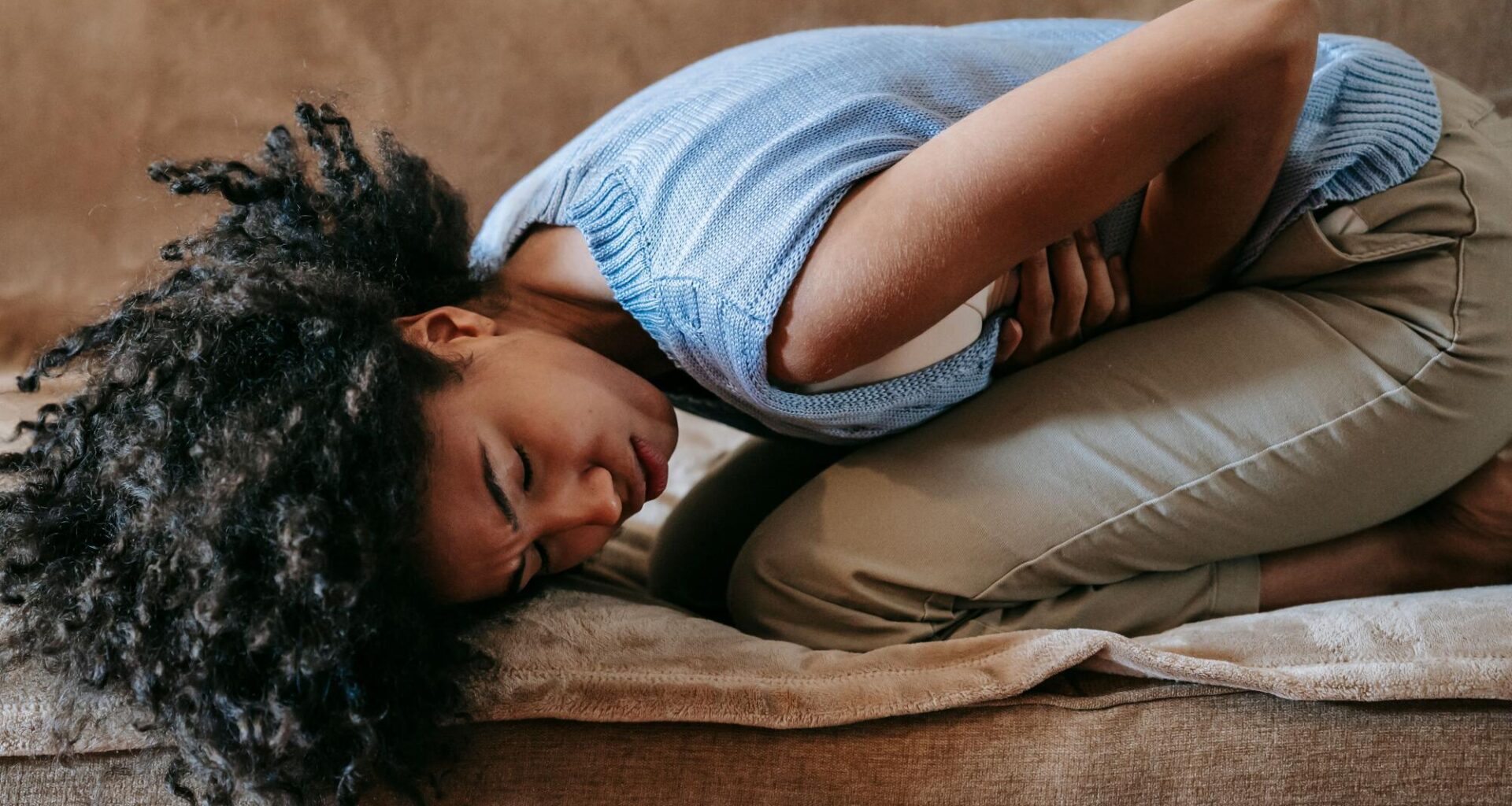
Many people notice severe pain before or during their periods. However, others feel discomfort throughout the month. Pain may affect the lower stomach, back, or pelvic area.
It is important to know that pain levels do not always match the amount of endometriosis tissue present. Even small areas of disease can cause severe discomfort.
Track Your Symptoms and Pain Patterns
Keeping a pain diary can help you notice changes in your symptoms. It may also help your doctor understand how endometriosis affects your daily life.
You do not need a complex system. A notebook or simple phone app can work well.
Try tracking these details:
- Pain levels each day
- Location of your pain
- Changes during your period
- Sleep and energy levels
- Medicines and their effects
Write down when your symptoms begin and how long they last. You may find that certain days of your cycle are more difficult than others.
Know When Specialist Care May Help
Endometriosis can cause pain that does not improve with basic treatment. If your symptoms keep returning or affect your quality of life, specialist care may be helpful.
A gynecologist can review your symptoms and discuss further tests. An ultrasound may help find certain signs of endometriosis, but a normal scan does not rule it out.
Some patients may need surgery to remove endometriosis tissue. However, surgery is not suitable for everyone, and pain can return afterward.
Seeking specialist advice from Lotus Endometriosis Institute can help you learn about treatment choices and create a plan that fits your health goals. Ask questions about the benefits, risks, and expected results of each option.
Use Heat to Ease Mild Discomfort
Heat is a simple way to manage some types of pelvic pain. A warm bath or heating pad may help relax tight muscles and ease cramps.
Try placing a warm pad over your lower stomach or back. Use a comfortable temperature and follow the product’s safety instructions.
Avoid placing very hot items against bare skin. Do not fall asleep while using an electric heating pad unless the device is made for that purpose.
Some people find heat most helpful during their periods. Others use it when mild pain appears throughout the month.
Heat will not treat the endometriosis itself, but it may provide short-term comfort. If your pain is severe or keeps getting worse, seek medical advice rather than relying on home care alone.
Talk to Your Doctor About Pain Medicine
Pain medicine can be part of an endometriosis care plan. Some people use medicines such as ibuprofen or naproxen to help reduce pain and inflammation.
However, these drugs are not safe for everyone. They may cause stomach problems or affect the kidneys, especially with long-term use. Certain health conditions and medicines can also make them unsuitable.
Ask your doctor which options are right for you. Follow the recommended dose and avoid taking more than directed.
If common pain relievers do not help, your doctor may suggest another approach. You should not have to keep increasing your dose to get through the day.
Explore Hormonal Treatment Options
Hormones can affect endometriosis symptoms. For this reason, doctors often recommend hormonal treatments to reduce pain.
These treatments may make periods lighter or less frequent. Some can stop menstrual bleeding for a time, which may help reduce painful symptoms.
Options may include birth control pills, hormonal devices, or other prescribed medicines. Each works differently and may have side effects.
Your doctor will consider your medical history, symptoms, and pregnancy plans before suggesting treatment.
Hormonal medicine does not remove all existing endometriosis tissue. Pain may also return after treatment stops.
Talk openly about any concerns you have. Finding a suitable option may take time, and your care plan can change as your needs change.
Try Gentle Movement and Pelvic Therapy
Staying active may help your mood, sleep, and general health. However, intense exercise can feel difficult when endometriosis pain is severe.
Start with gentle movement that feels comfortable. Short walks, light stretching, and easy yoga may be good choices.
You could try:
- Short walks outdoors
- Gentle stretching at home
- Slow and easy swimming
- Simple breathing exercises
- Rest between active periods
Support Your Body With Better Daily Habits
Daily habits cannot cure endometriosis, but they can support your general well-being. Good sleep, balanced meals, and enough rest may help you cope with symptoms.
Try to follow a regular sleep routine. Going to bed at similar times can make it easier to get enough rest.
Eat a varied diet that includes fruits, vegetables, whole grains, and protein. Some people notice that certain foods make bloating or stomach problems worse.
However, no specific diet has been proven to cure endometriosis. Avoid strict food rules unless a healthcare professional recommends them.
Stress can also make ongoing pain feel harder to manage. Quiet breaks, time outdoors, and talking with trusted people may help you feel calmer.
Recognize When Pain Needs Urgent Attention
Endometriosis can cause severe pain, but not every new symptom should be blamed on the condition. Other health problems can cause similar symptoms and may need urgent treatment.
Seek immediate medical care if you develop sudden, severe stomach or pelvic pain. This is especially important if you also feel faint, have a fever, or experience heavy bleeding.
Severe pain with vomiting or a possible pregnancy also needs urgent assessment. These symptoms may point to another medical problem. Contact your doctor if your usual pain becomes worse or stops responding to treatment.
Small Steps Can Lead to Better Days
Managing endometriosis pain often takes time and patience. Heat, gentle activity, suitable medicine, and specialist support may all play a role. The best approach depends on your symptoms and personal needs.
Looking for more advice on women’s health and daily well-being? Explore our other blog posts for simple guides, helpful tips, and practical ways to support your health!