A request for smoke testing plumbing systems can sometimes indicate a larger underground maintenance issue. Smoke may reveal a suspected opening, leak path, or improper connection, but contractors still need to inspect the line and determine whether pipe deflection is affecting its shape, flow area, or serviceability.
When a buried PVC or polyethylene line has become oval rather than round, excavation is not automatically the only option. Hurco Technologies offers its Pipeline Rerounder for suitable deflected pipe applications, giving utility contractors a way to address pipe shape through existing access points rather than opening a continuous trench above the line.
What Should Contractors Do When a Buried PVC Pipe Becomes Deflected?
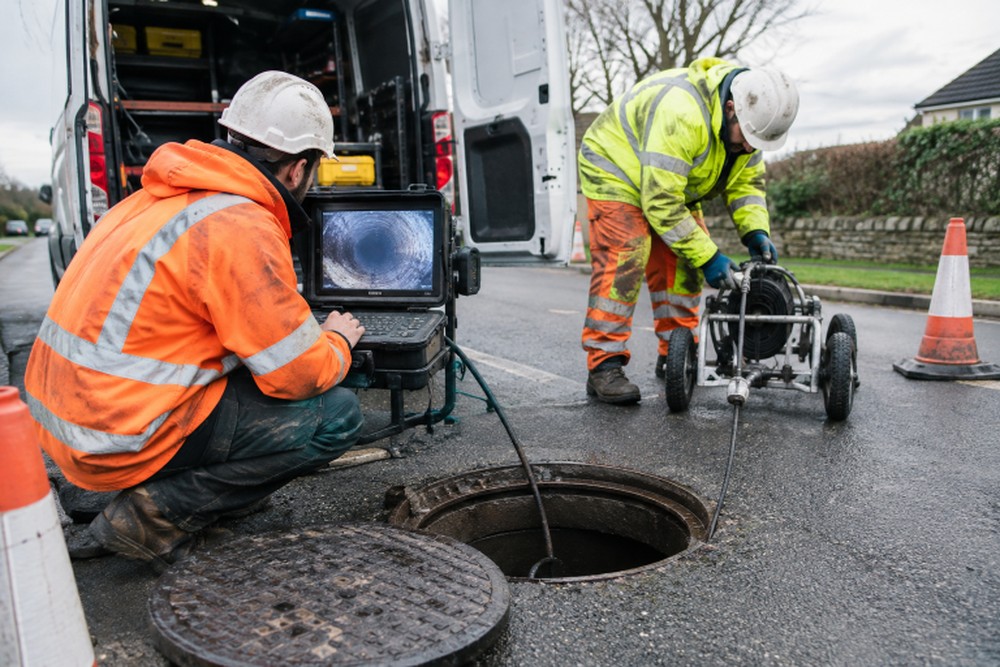
Start with a documented assessment. The contractor should identify the pipe material, diameter, access points, the location of the affected area, the amount of deflection, and any visible cracking, obstructions, debris, or joint damage. CCTV inspection, cleaning, and deflection measurement can help establish whether the pipe remains a candidate for re-rounding.
Hurco Technologies states that its Pipeline Rerounder repairs deflected PVC or polyethylene pipe without surface excavation and can complete the re-rounding portion of a suitable repair in about one hour. Actual project duration can be longer because cleaning, setup, access, safety preparation, inspection, and verification all take time.
Why Does Pipe Deflection Create a Difficult Repair Problem?
Pipe deflection occurs when a flexible pipe no longer holds its intended circular profile. Settlement, inadequate bedding, changing soil support, external loads, installation conditions, and poor compaction can all contribute. A deflected line may restrict cleaning or inspection equipment, reduce the effective flow area, and complicate future maintenance.
Buried flexible pipe performs as part of a pipe-and-soil system, not as an isolated product. Research into pipe stiffness and soil compaction has found that both factors strongly influence deformation under load. Deflection alone does not prove that a line has failed, but it does justify a careful evaluation of the pipe’s condition and the available repair options.
How Does the Hurco Technologies Pipeline Rerounder Work?
The Pipeline Rerounder is intended to be pulled through an accessible pipe section so its shaping action can return a deflected flexible pipe toward a round profile. A typical procedure includes the following steps:
- Inspect and clean the affected pipe section.
- Confirm the tool can pass through the line and reach the deflected area.
- Set up the appropriate roller guides and pulling equipment between access points.
- Pull the re-rounding tool through the affected section in accordance with the manufacturer’s instructions.
- Inspect the result and measure the pipe after the work is complete.
Cleaning is particularly important. Debris can obstruct the tool, interfere with movement, or create conditions that could damage the pipe during the pull. The process should be performed only by trained personnel using the applicable equipment instructions and a site-specific safety plan.
Which Types of Pipe Can the Rerounder Address?
Hurco Technologies identifies PVC and polyethylene pipe as the primary materials for its Pipeline Rerounder. These thermoplastic materials can be flexible enough to be reshaped when the pipe is structurally suitable and site conditions permit the procedure.
Suitability is not determined by material alone. Contractors must consider pipe diameter, measured deflection, access geometry, line alignment, internal obstructions, surrounding soil conditions, and the presence of cracks or collapse. Hurco also provides split-type equipment for applications where the standard pull-type configuration is not the appropriate fit.
Why Can Re-Rounding Be Preferable to Open Excavation?
Open excavation remains necessary for some damaged pipelines, especially where there is severe structural failure, a need to increase capacity, or inadequate access for a trenchless method. For a suitable deflected pipe, however, re-rounding can offer practical advantages:
- Less surface disruption: Work can be performed through existing manholes or other access points rather than removing pavement, landscaping, sidewalks, or parking areas along the entire repair length.
- Reduced restoration work: Avoiding a continuous trench can reduce the amount of backfill, paving, and site restoration required.
- Potentially fewer traffic impacts: A smaller work footprint may be easier to manage near roads, businesses, and residential properties.
- Focused repair activity: The method addresses the pipe profile rather than replacing an entire accessible section by default.
These benefits depend on the line being a good candidate for re-rounding. A contractor should present trenchless repair as one option within a broader repair decision, not as a universal substitute for excavation.
What Role Can Smoke Testing Play Before a Repair Decision?
Smoke testing can be useful for locating suspected leaks, openings, or improper connections in sewer and plumbing systems. It does not directly measure whether a buried pipe is round, oval, cracked, or structurally compromised. When smoke testing suggests a problem, the next step may include CCTV inspection, cleaning, and deflection testing.
That diagnostic sequence helps distinguish symptoms from root causes. A smoke test can indicate that a system warrants attention, while inspection and measurement determine whether a PVC or polyethylene pipe that is deflected may be suitable for the Pipeline Rerounder.
How Does Hurco Technologies Support the Utility Workflow?
Hurco Technologies offers equipment categories that can support several stages of underground maintenance work, including smoke testing, ventilation, deflection testing, pipe cleaning, water-main testing, and pipeline re-rounding. For contractors, this can help create a more consistent workflow from diagnosis through verification.
Safety remains central to that workflow. Manholes and similar access structures can involve atmospheric and confined-space hazards. Contractors should follow applicable regulations and written procedures for permit-required confined spaces, including atmospheric testing, ventilation where required, entry controls, attendants, barriers, and rescue planning.
What Should Contractors Check Before Using Re-Rounding Equipment?
- Confirm pipe material, diameter, alignment, and access locations.
- Inspect and clean the entire section to be worked on.
- Document the initial deflection and pipe condition.
- Verify that the selected tool can pass through both ends of the intended work area.
- Set roller guides and pulling equipment correctly.
- Establish appropriate traffic control, exclusion zones, ventilation, and gas-monitoring practices.
- Keep workers clear of pulling zones and manhole openings during operation.
- Perform post-repair inspection and deflection verification.
- Record the repair details for future asset-management decisions.
When Is the Pipeline Rerounder Not the Right Choice?
Re-rounding may not be appropriate where a pipe has severe collapse, significant cracking, inaccessible ends, concrete encasement, obstructions that cannot be removed, or conditions that could worsen during a pull. Hurco technical material describes re-rounding applications involving deflection of 15 percent or less, but owners, engineers, and qualified contractors should confirm the applicable limits for the specific project.
Frequently Asked Questions
Can Hurco Technologies repair every damaged sewer pipe?
No. The Pipeline Rerounder is intended for suitable deflected PVC or polyethylene pipe. A badly fractured, collapsed, obstructed, or inaccessible line may require another rehabilitation method or excavation.
Does smoke testing confirm pipe deflection?
No. Smoke testing may reveal leaks or openings, but it does not measure pipe shape. Deflection gauges, CCTV inspection, and cleaning are more appropriate for evaluating whether re-rounding is a viable option.
Why is post-repair verification important?
Verification documents whether the pipe profile improved and provides useful information for maintenance records, future inspections, and asset-management planning.
Conclusion
Hurco Technologies provides a focused option for contractors addressing suitable deflected PVC and polyethylene pipe without automatically resorting to excavation. The best results depend on accurate inspection, measured deflection, thorough cleaning, safe setup, correct tool selection, and post-repair verification. When those conditions align, pipeline re-rounding can restore access and pipe shape while limiting above-ground disruption.