In the rapidly changing world of construction, smart roofing systems are at the forefront of innovation. These advanced solutions combine cutting-edge materials, sensor technology, and automation to redefine what’s possible for both new and existing structures. As building owners and developers aim for better energy efficiency and sustainability, the role of intelligent roofing cannot be understated. To explore how modern roofing techniques are integrated into the latest builds, visit https://www.deltaservices.com/new-roofing-construction/. As roofing technologies continue to evolve, incorporating these innovations during construction can improve building performance and long-term operational efficiency.
Today’s smart roofs go far beyond the basics, offering a blend of real-time data monitoring, self-repairing materials, and integrated energy solutions. These systems help stakeholders keep their properties resilient against harsh weather, reduce operational costs, and support green building certifications.
Understanding Smart Roofing Systems
Smart roofing systems leverage technology to address challenges that traditional roofing cannot. Through embedded sensors and automated controls, these modern roofs provide comprehensive insights into indoor temperature, humidity, structural stress, and energy usage. Data is collected continuously, enabling facility managers to plan maintenance proactively rather than reactively. As a result, costly emergency repairs and extensive downtimes are greatly minimized.
For example, sensors built into roofing membranes track water ingress and temperature fluctuations, immediately alerting managers to any irregularities. This real-time condition monitoring extends the roof’s lifespan and reduces overall maintenance costs, supporting long-term building performance.
Key Technologies in Smart Roofing
Several core technologies underpin the transformation of modern roofing:
- IoT Sensors: Internet of Things sensors are central to smart roofing. They gather environmental and structural data, enabling predictive maintenance and safeguarding buildings against leaks or heat loss.
- Advanced Materials: Innovations such as self-healing membranes for small punctures and upgraded UV-reflective coatings increase both durability and energy efficiency.
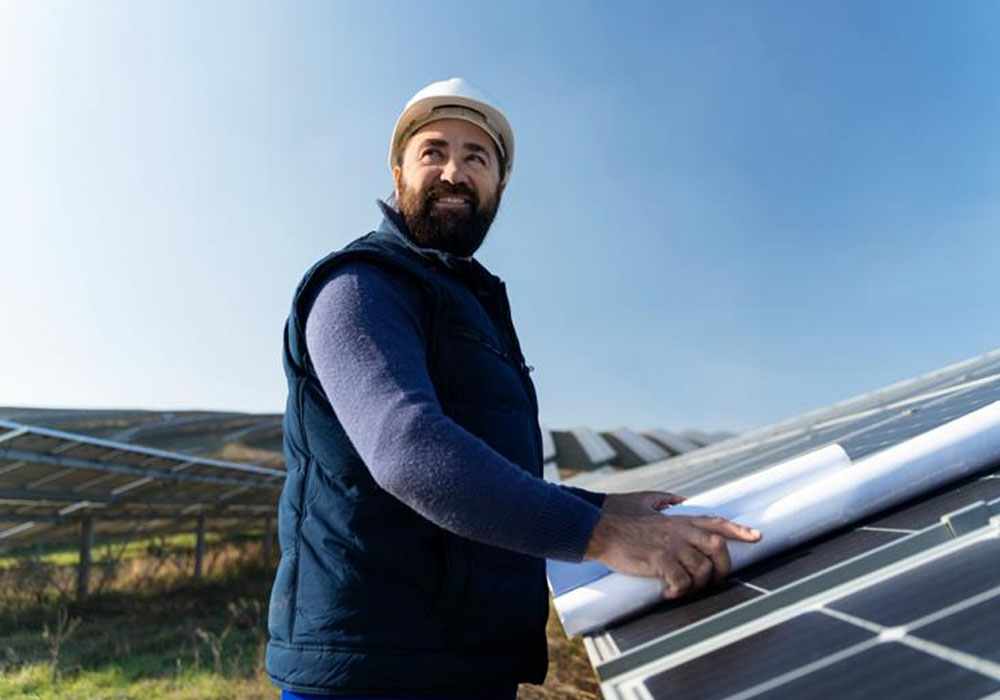
- Solar Integration: Roofing that incorporates integrated photovoltaic cells or solar panels actively generates energy, lowering a building’s reliance on traditional power sources.
Implementing IoT sensors across a roofing system enables facility teams to monitor the roof’s condition from anywhere, using centralized dashboards to prioritize intervention before minor issues turn into costly failures.
Energy Efficiency and Sustainability
Smart roofing’s most immediate impact is often in energy savings. Reflective and cool roof materials reduce urban heat gain and keep internal building temperatures lower, thereby reducing air conditioning demand. Vegetative or green roofs serve a dual purpose: insulating the building and absorbing rainwater while also creating habitats for urban wildlife.
Many green construction standards, such as the U.S. Green Building Council’s LEED program, now recognize and reward the adoption of smart roofs for their contributions to overall building energy performance and water management.
Enhancing Durability and Maintenance
Durability is another area where smart roofing delivers measurable results. Thanks to self-repair mechanisms and ongoing monitoring, day-to-day wear does not escalate into large-scale problems. Maintenance can be scheduled based on actual wear, not just guesswork or fixed intervals, which saves both time and budget.
Additionally, roofs equipped with smart technology may use drones for aerial inspections, allowing for fast, comprehensive surveys even after extreme weather events. This approach greatly improves maintenance safety and accuracy, supporting building longevity.
Integration with Building Management Systems
The ability to sync a smart roof with a Building Management System is a key benefit for property owners. Through this integration, HVAC settings can be optimized using real-time roof data, balancing indoor comfort with lower energy expenditure. The result is an intelligent feedback loop in which the entire building operates more efficiently while prolonging the lifespan of key infrastructure assets.
Future Trends in Smart Roofing
The next generation of smart roofing is poised to leverage artificial intelligence, further automating diagnostics and maintenance planning. Innovations such as even more efficient solar-integrated roofing materials and autonomous drone inspections are coming to the forefront. As these developments advance, they will make sustainable, intelligent building practices more attainable for structures worldwide.
Conclusion
Smart roofing construction is quickly becoming a must-have feature for forward-thinking buildings. By merging advanced technologies with resilient, energy-efficient materials, these roofs are helping to set a new industry standard. As adoption grows, smart roofing will remain a pivotal influence in shaping buildings that are safer, greener, and smarter for the future.