Tackling yard projects yourself can feel great, and cutting down a dying tree can seem like an easy way to save $500 or more. A quick trip to the hardware store for a saw seems simple enough on a Saturday morning.
Still, taking down a full-grown tree involves massive weight, tricky angles, and hidden risks that go far beyond basic lawn care. One wrong cut can turn a weekend chore into an expensive disaster for your home and your safety.
Hidden Structural Flaws Make Trees Unpredictable
Trees rarely fall the way a homeowner expects. Checking options for the best arborist near me helps property owners find pros who understand weight balance, wind shifts, and internal rot. A trunk might look solid on the outside, but hollow pockets inside can cause the wood to split or twist mid-cut. When that happens, thousands of pounds of timber can crash straight onto a roof, deck, or neighbor’s fence.
Backyards are full of hidden hazards that complicate any removal job. Power lines run right through the upper branches, creating a deadly risk of electric shock if a limb brushes a live wire. Below the grass, thick roots frequently wrap around water pipes, sewer lines, and buried cables.
Serious Physical Hazards Come With Heavy Equipment
Operating sharp power tools off the ground puts untrained homeowners in immediate danger. Most patients seek treatment at U.S. emergency rooms every day for chainsaw-related injuries. Kickback happens in a split second when the tip of a spinning blade strikes a hard knot, throwing the saw straight back at the user.
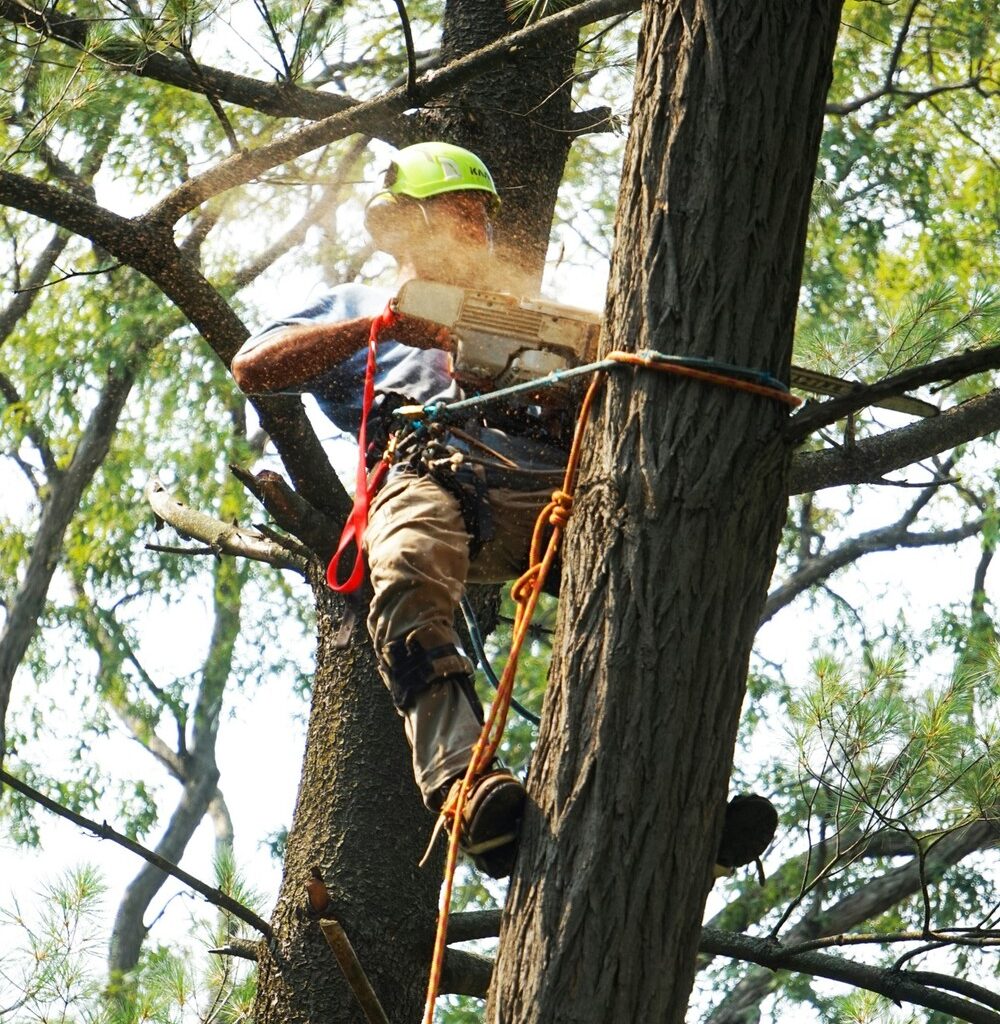
Climbing a ladder with a running saw multiplies the risk of a bad fall. Heavy limbs can swing back and knock a ladder out from under your feet before you have time to react. Trained tree crews rely on rigging ropes, safety harnesses, and bucket trucks to lower thick logs piece by piece.
Costly Property Damage and Insurance Gaps
Trying to save cash on tree work leads to repair bills that cost ten times more than hiring a crew. Fixing a crushed roof frame, broken windows, or a dented truck can easily run between $5,000 and $20,000. Many homeowners assume their policy will pay for yard accidents, but coverage rules come with strict limits.
If a tree falls on your house after you neglected routine care, your insurer could refuse to cover the damage. Even when a storm knocks down a limb, many plans cap debris cleanup payouts at low amounts.
Warning Signs a Tree Needs Professional Attention
Spotting trouble early gives you time to deal with a weak tree before rough storms arrive. Watch your yard for these clear red flags:
- Deep vertical cracks or missing bark along the main trunk
- Mushrooms or soft fungus growing around the base and roots
- A sudden lean toward your house, garage, or driveway
- Dead, brittle branches hanging over your roof or tangled near power lines
- Hollow holes where bugs or rot have weakened the inner wood
Noticing one or more of these signs means the tree is too unstable for a casual weekend project. Good tree care protects nearby shrubs, flower beds, and lawn space from heavy falling wood.
Know When to DIY and When to Call a Professional
Smart home care is all about knowing which jobs belong on your weekend list and which ones require heavy gear. Painting a fence or spreading mulch carries very little risk, but dropping a tall tree leaves zero room for error. If you are interested in learning more tips, we’ve got you covered.