Commercial roofs support more than weather protection. Many buildings use rooftop space for heating, ventilation, air conditioning, communication equipment, and other mechanical systems. These installations introduce additional maintenance activity, structural considerations, and potential points of water intrusion that can influence roofing performance.
Unlike residential roofs, commercial roofing systems may experience frequent visits from technicians servicing equipment throughout the year. Foot traffic, equipment movement, drainage obstructions, and poorly maintained penetrations can gradually affect roofing materials. Even minor damage may become significant when moisture reaches insulation or other concealed components.
Understanding these operational demands helps property managers make better maintenance decisions. Commercial roofing in Lone Tree requires coordination between building maintenance teams, equipment contractors, and roofing professionals. Homey Roofing and Restoration is one business property owners may consider when evaluating roof conditions and planning work around active building operations.
How Rooftop Mechanical Equipment Affects Roofing Systems
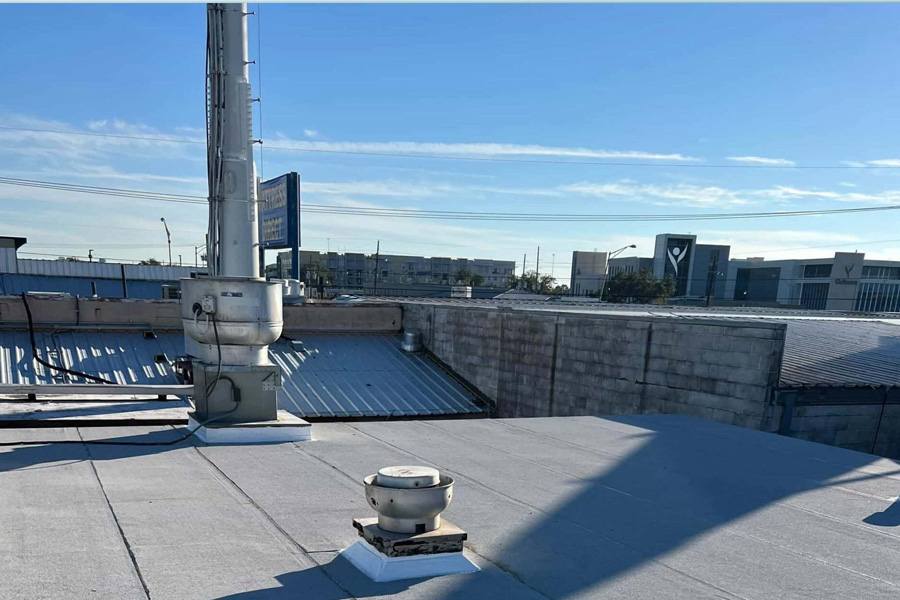
Commercial buildings frequently position mechanical equipment above occupied spaces to conserve interior floor area. Rooftop HVAC units, exhaust fans, ventilation assemblies, and communication installations serve important operational purposes. However, each installation introduces specific requirements for structural support, access, and weather protection.
Equipment weight must be accommodated by the building structure rather than relying on roofing materials alone. Properly designed supports distribute loads through appropriate structural components. Problems may develop when equipment is added without evaluating existing conditions.
Mechanical equipment also creates areas where roofing materials meet curbs, supports, or other building components. These transitions require carefully designed waterproofing details. Their condition deserves regular attention because deterioration can create concealed moisture pathways.
Why Equipment Curbs Require Proper Installation
Equipment curbs elevate mechanical units above the roof surface and provide attachment locations. They also create transitions between the roofing membrane and equipment assembly. Improperly installed or deteriorated flashing around these curbs can allow water intrusion.
Vibration, temperature changes, and repeated servicing may affect nearby components over time. Property managers should ensure that equipment work does not disturb existing waterproofing details. Any modifications should be coordinated with qualified roofing personnel.
Managing Foot Traffic Around Service Areas
Commercial roofs may receive repeated visits from HVAC technicians, electricians, telecommunications contractors, and maintenance personnel. Although these visits are necessary, concentrated foot traffic can accelerate wear in vulnerable areas. The extent of damage depends on roofing materials, surface conditions, and maintenance practices.
Technicians carrying tools or replacement components may unintentionally scrape, puncture, or compress roofing surfaces. Loose fasteners and sharp equipment edges create additional concerns. Damage may remain unnoticed until rainfall exposes the affected area.
Establishing Designated Rooftop Walkways
Designated walkways help direct maintenance personnel toward frequently serviced equipment. Compatible walkway pads or approved protective systems can reduce unnecessary contact with exposed roofing surfaces. Their installation must follow the roofing manufacturer’s requirements.
Walkway placement should reflect actual maintenance routes rather than convenient assumptions. Technicians need practical access to equipment without stepping across vulnerable transitions. Clear access arrangements also reduce the temptation to create shortcuts.
Understanding Roof Penetrations and Waterproofing Challenges
Roof penetrations allow pipes, cables, ducts, and structural components to pass through the roofing assembly. Every penetration interrupts the continuous waterproofing surface. Proper flashing and compatible sealing methods are necessary to protect these openings.
New equipment installations sometimes require additional penetrations. If modifications are performed without appropriate roofing coordination, surrounding materials may be damaged or incorrectly sealed. Temporary patching methods may not provide suitable long-term protection.
Coordinating Mechanical and Roofing Contractors
Mechanical contractors understand equipment requirements, while roofing professionals evaluate waterproofing compatibility. Both perspectives matter when equipment is replaced, relocated, or upgraded. Coordinated planning helps prevent one trade from damaging another trade’s completed work.
Property managers working with Homey Roofing and Restoration or another roofing contractor should communicate upcoming rooftop projects before installation begins. Early coordination allows roof penetrations, equipment supports, and flashing requirements to be addressed together. This approach can reduce unnecessary alterations after construction.
How Drainage Problems Develop Around Rooftop Equipment
Commercial roofs often rely on internal drains, scuppers, or other designed drainage systems. Equipment installations can influence how water travels across the roof. Poorly positioned supports or abandoned materials may obstruct established drainage pathways.
Standing water can increase exposure to moisture and place additional loads on the roof. Persistent ponding may also indicate drainage design issues, blocked outlets, or localized surface deformation. These conditions deserve investigation rather than assumptions about their cause.
Keeping Drainage Routes Accessible
Leaves, packaging materials, loose fasteners, and service debris may collect near drainage outlets. Regular inspections help identify obstructions before they interfere with water movement. Drainage components should remain accessible for maintenance.
Equipment placement should also allow workers to reach drains safely. Large mechanical units or improperly arranged supports can complicate cleaning. Maintenance planning should consider these access requirements before additional equipment is installed.
Evaluating Equipment Vibration and Structural Movement
Mechanical equipment may produce vibration during normal operation. Proper mounting systems help manage these forces and protect surrounding building components. Inadequate supports can contribute to movement affecting equipment connections or adjacent construction.
Thermal expansion creates another consideration. Metal supports, piping, and roofing materials may respond differently to temperature changes. Compatible connection details help accommodate expected movement without placing unnecessary stress on waterproofing components.
Commercial Roofing inspections should consider visible movement, damaged flashing, and unusual conditions around equipment supports. Observations should be documented before corrective work is recommended. Structural concerns may require evaluation by an appropriately qualified professional.
Preventing Damage During Equipment Replacement
Replacing rooftop equipment can involve cranes, temporary storage, lifting operations, and movement of heavy components. These activities create risks that differ from ordinary maintenance visits. Careful preparation helps protect roofing surfaces during installation.
Temporary protective materials may be necessary along equipment transportation routes. Their suitability depends on the roofing system and anticipated loads. Workers should avoid placing heavy components directly onto surfaces not designed to support them.
Inspecting Roofing After Mechanical Work
A roof inspection following major equipment work can identify damaged membranes, disturbed flashing, and debris left behind. Prompt documentation helps establish when defects became visible. Corrective work can then be arranged before moisture enters concealed layers.
Building managers should retain records of equipment modifications and related roofing repairs. These documents support future maintenance planning. They may also help clarify responsibilities when damage is discovered.
Creating a Coordinated Commercial Roof Maintenance Schedule
Roof maintenance should account for equipment servicing schedules and seasonal weather conditions. Frequent mechanical visits may justify additional inspections around access routes and equipment locations. Properties with complicated rooftop installations may require more detailed monitoring.
A maintenance schedule should identify who is responsible for reporting visible roofing damage. Technicians should understand that punctures, displaced materials, and disturbed flashing require attention. Clear communication reduces the likelihood that small problems remain undocumented.
Property managers consulting Homey Roofing and Restoration or other service providers should discuss inspection frequency and maintenance access. Recommendations should reflect the roof’s actual conditions and operational demands. A consistent reporting process supports better coordination between contractors.
Documentation and Contractor Access Procedures
Written rooftop access procedures help building managers maintain oversight of maintenance activities. Records can identify which contractors visited, what work occurred, and whether roofing components were modified. This information becomes valuable when investigating later damage.
Contractors should receive guidance about designated access routes and restricted areas. Equipment materials and discarded components should be removed after servicing. These practices help limit avoidable damage while maintaining normal building operations.
Protecting Roof Performance Through Better Building Coordination
Commercial roofing performance depends partly on activities occurring above the building. Mechanical equipment, foot traffic, drainage conditions, and construction modifications can influence how roofing systems age. Effective maintenance considers these operational factors alongside ordinary material deterioration.
Building managers should coordinate equipment projects, document roof alterations, and establish clear inspection responsibilities. Suitable access protection and timely attention to waterproofing details can reduce avoidable damage. Consistent communication between maintenance teams and contractors supports more dependable roof performance throughout the building’s service life.