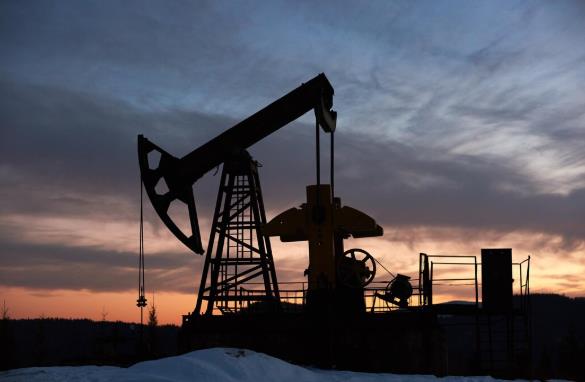
The oil and gas sector continues to be one of the most influential in the world, influencing energy markets, economic growth and global trade. But investing in energy stocks is more than just keeping up with crude oil prices.
Supply and demand, the efficiency of production, geopolitical developments, financial capabilities and long-term energy trends are all factors that affect company performance. Knowing these factors is a better way for investors to find businesses that can withstand the market and make rational choices.
Commodity Prices Set the Direction, Not the Outcome
Oil and natural gas prices have a direct impact on company revenues, but they don’t tell the whole story. An increase in commodity prices can create higher profits, but it can also cause businesses with inefficient operations or production costs to become less profitable due to the increased prices.
Rather than just responding to price fluctuations, investors should examine the cost control, profit margin and ability of individual companies to adjust to the evolving energy market. A business that has a strong performance in a variety of pricing situations is likely to be more successful in the long run.
Supply, Demand, and Global Events Shape the Market
International supply and demand greatly affect energy markets. Generally, rising economic growth leads to higher energy demand, and a downturn in the economy may lead to lower demand for oil and gas.
Geopolitical occurrences also have a major influence. Factors such as production decisions taken by the major oil-producing countries, trade interruption, natural disasters, and regional conflicts can all impact energy prices and company performance.
Monitoring these wider trends is important to investors because they can help them recognise when energy prices are likely to diverge from the general price level of the overall stock market.
Financial Strength Matters During Market Volatility
Energy is a cyclical industry. Financial resilience is crucial because sometimes there are periods of high profitability followed by periods of decline. Investors should check the following points when assessing companies:
- Cash flow generation
- Debt levels
- Dividend sustainability
- Capital expenditure discipline
- Free cash flow
Companies that have solid balance sheets have a better chance to continue investing in their businesses, maintain their investors’ returns and survive periods of lower commodity prices.
This is particularly useful when making comparisons among the biggest oil and gas stocks because the most financially disciplined companies are more likely to withstand varying market conditions.
Production Efficiency Drives Long-Term Profitability
The manufacturing cost for barrels of oil varies from one barrel to another. Lower operating costs can make for a profitable company despite falling energy costs. The following operational indicators are important:
- Production costs per barrel
- Reserve replacement rates
- Production growth
- Asset quality
- Operational efficiency
Regularly boosting efficiency can lead to better returns and less sensitivity to commodity prices.
Look Beyond Short-Term Market Headlines
Energy investing often attracts attention during periods of sharp price movements, but successful investors focus on long-term business fundamentals rather than daily headlines.
Management, capital allocation, consistency of operations, regulatory adherence, and performance over several market cycles should all be taken into account when comparing companies. These factors can help to better understand future resilience than commodity price movements alone.