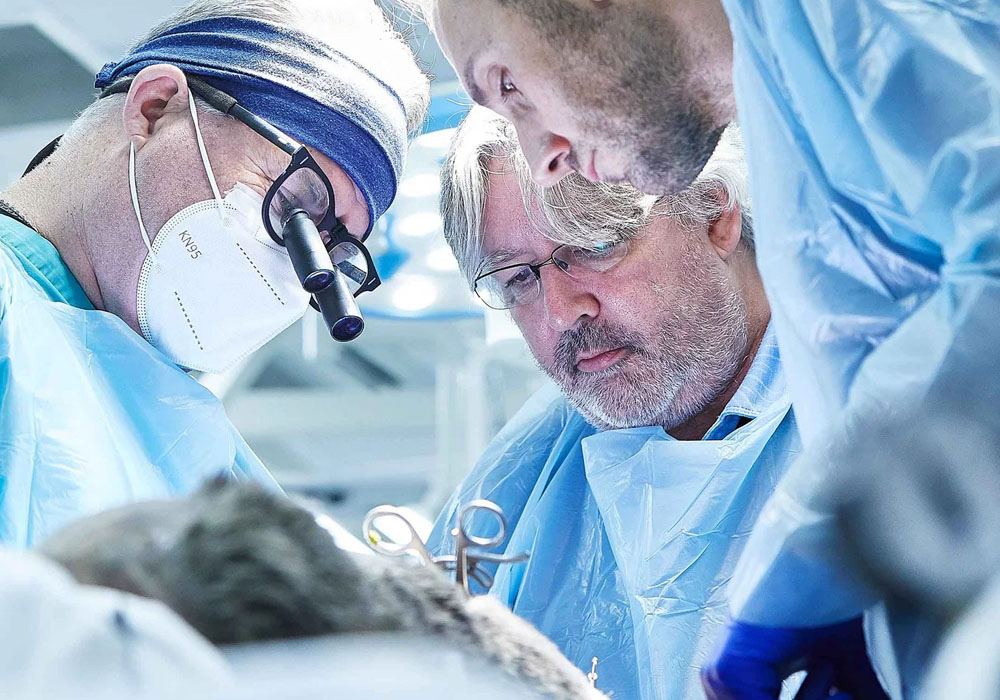
In the domain of modern surgery, precision is paramount. The ability to see clearly and magnify the surgical field significantly affects outcomes. Surgical loupes have become an essential tool for surgeons aiming to enhance visibility and accuracy during procedures. These specialised magnifying spectacles allow surgeons to focus on intricate details that are often difficult to observe with the naked eye.
What Are Surgical Loupes?
Surgical loupes are optical devices designed to magnify the view of the surgical area. Unlike standard magnifying glasses, these loupes are tailored specifically for medical use, offering enhanced depth of field, clarity, and comfort for prolonged use. They are usually mounted on eyewear frames customised to the user’s needs.
Types of Surgical Loupes
There are several types of surgical loupes available on the market, differing primarily in magnification power, working distance, and field of view. Commonly used options include:
- Galilean Loupes – Offering magnifications up to 2.5x, these are compact and lightweight, suitable for general procedures.
- Prismatic Loupes – Providing clearer images with magnifications usually ranging from 2.5x to 6x, prismatic loupes are preferred for more detailed surgical work.
- Through-the-Lens (TTL) Loupes – Custom-made to the wearer’s prescription, these loupes provide excellent optical quality and comfort.
Magnification Power Considerations
The choice of magnification is crucial. Lower magnification (2.0x to 2.5x) is ideal for surgeries requiring a wider field of view and depth of focus. Higher magnifications (3.0x and above) offer greater detail but can reduce the depth of field and field of view, making them suitable for more specific tasks such as microsurgery.
Benefits of Surgical Loupes in Operating Theatres
The adoption of surgical loupes has transformed the standard of care in operating rooms worldwide. Their benefits include enhanced visual acuity, improved ergonomics, and increased precision. This combination leads to more effective procedures with reduced errors.
Improved Visual Acuity
Magnification allows surgeons to examine tissues and structures with greater detail, revealing nuances that might otherwise be missed. This is particularly important in microsurgical techniques and delicate operations involving small anatomical structures.
Enhanced Precision
With an enlarged and clearer view of the surgical field, surgeons can make more accurate incisions, sutures, and dissections. This precision helps minimise trauma to surrounding tissue and reduces the risk of complications post-operation.
Ergonomic Benefits
Properly fitted surgical loupes promote better posture by enabling surgeons to keep their heads upright rather than leaning forward. This ergonomic advantage reduces strain and fatigue during lengthy procedures, contributing to better focus and overall performance.
Applications Across Surgical Specialties
Surgical loupes are utilised in various medical disciplines. Their application is not limited to one field but spans multiple specialties where enhanced vision is needed.
Dentistry
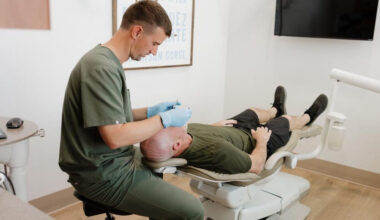
Dental procedures often require high magnification for tasks such as root canal treatments, cavity preparations, and periodontal surgeries. Loupes help dentists achieve a fine level of detail indispensable for successful outcomes.
Plastic and Reconstructive Surgery
In reconstructive surgeries, particularly those involving microsurgery and tissue repair, surgical loupes provide the magnification required for delicate manipulation of tissues, blood vessels, and nerves.
Cardiovascular Surgery
Accurate suturing of blood vessels demands exceptional visual clarity. Surgeons in cardiovascular procedures benefit significantly from the detailed view offered by loupes.
Ophthalmology
Eye surgeries require the utmost precision. Surgical loupes allow ophthalmologists to perform intricate operations on the eye’s delicate structures with enhanced visibility.
Choosing the Right Surgical Loupes
Selecting the appropriate pair of surgical loupes is essential for optimal performance. Several factors must be evaluated to ensure the device meets the surgeon’s requirements.
Working Distance
The working distance is the space between the surgeon’s eyes and the surgical field, which varies depending on the type of procedure and the surgeon’s stature. Loupes should be customised to accommodate an individual’s preferred working distance.
Field of View
A larger field of view allows surgeons to see more of the operating area without moving their heads excessively. Different models offer varying field sizes, influencing ease and efficiency during surgery.
Weight and Comfort
Since surgeons wear these loupes for extended periods, comfort is critical. Lightweight materials, balanced design, and adjustable features contribute to reduced fatigue and increased usability.
Integrated Lighting
Some surgical loupes come equipped with LED illumination systems. These provide consistent, shadow-free lighting that further enhances visibility, especially in deep or narrow surgical sites.
Maintenance and Longevity
Proper care of surgical loupes extends their lifespan and maintains optimal performance. Cleaning lenses with appropriate materials and storing loupes in protective cases help preserve the optical quality.
The Future of Surgical Loupes
Technological advancements continue to improve surgical loupes. Innovations include integration with digital displays, augmented reality overlays, and enhanced lightweight materials, paving the way for even greater precision in surgical procedures.
Conclusion
Surgical loupes play a vital role in enhancing the precision and quality of surgical interventions. By providing magnification, improved visual clarity, and ergonomic benefits, they support surgeons in delivering better patient outcomes. Investing in high-quality surgical loupes tailored to specific surgical needs is a critical step towards advancing surgical excellence.