The New Era of Skin Resurfacing
Resurfacing skin was like deciding between two irritating roommates. One promised fantastic results but disrupted your routine for weeks. Despite being pleasant and easygoing, the other never cleaned up. Smoother skin, less sun spots, softer wrinkles, and an alert face without a noticeable hibernation phase were desired.
Here, dual laser treatments have completely transformed the attitude. These innovative technologies address surface damage and structural concerns simultaneously, rather than putting patients into the traditional either-or game. Very smart setup. Skin roughness and discolouration around the top layers are targeted by one energy stream. The other encourages new collagen, the room’s responsible adult.
This combined strategy has made resurfacing more appealing to busy people who want real changes without looking like they lost a fight with a toaster.
Why Older Laser Options Felt So Extreme
Many traditional resurfacing treatments had dramatic personalities. Fully intensive treatments produced excellent smoothness, but the recuperation phase seemed more like professionally supervised molting than self-care. A rigorous social schedule ban, redness, swelling, and crusting were prevalent.
The opposite end included milder alternatives. They were simpler to plan and endure, but many found the improvement painfully sluggish. A single session may refresh skin but not alter it. After numerous sessions, several patients wondered if their moisturizer was doing most of the work.
This gap in the middle created a perfect opportunity for a smarter approach. People did not necessarily want the strongest treatment available. They wanted the most efficient one. That is a very different question.
What Makes Dual Laser Technology Different
Dual therapy works because of its layers. Both sides are worked on in one visit. Imagine cleaning a dirty house and mending unstable flooring. Improves what you view quickly. Others enhance what supports everything over time.
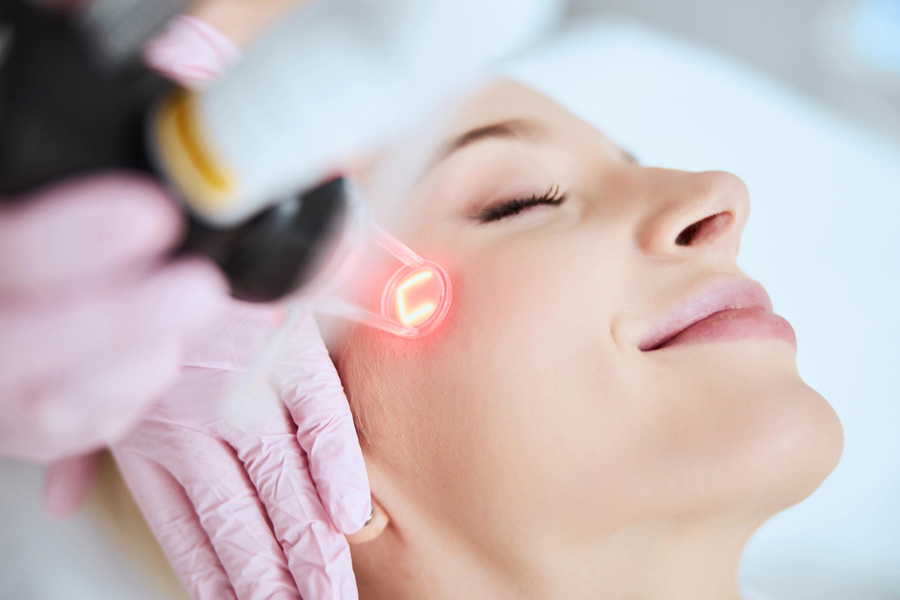
The surface-focused portion creates thousands of tiny treatment zones in the upper skin. These micro-injuries help shed damaged cells, improve texture, and break up unwanted pigment. As the skin repairs itself, roughness starts to fade and the complexion looks brighter.
The deeper component adds heat below the surface in a controlled way. That encourages collagen renewal and tissue remodeling, which can gradually improve firmness, fine lines, and the general tired look that tends to sneak up after years of sun exposure and birthdays.
Because the treatment is fractional, not every bit of skin is affected at once. Untreated skin between the microscopic zones helps the area recover more efficiently. In plain English, your face is not being bulldozed. It is being renovated with a very tiny and extremely expensive jackhammer.
The Skin Concerns This Approach Can Target
A dual resurfacing session can be useful for several common complaints, especially when they show up together, which they often do. Skin rarely limits itself to one issue out of politeness.
Sun Spots and Uneven Tone
Sun damage collects receipts. Brown patches, uneven redness, dullness, and weathering might develop slowly. Together, laser treatments destroy pigment and remove damaged surface cells faster. A cleaner, more even complexion typically results from healing.
Many people notice that treated pigment temporarily darkens before it flakes away. This stage can look odd, like your freckles briefly joined a crumb topping club, but it is a normal part of the process.
Fine Lines and Crepey Texture
Surface and structural lines around the lips, beneath the eyes, and across the cheekbones are common. While collagen stimulation progressively improves skin bounce and resilience, smoothing the top layer helps instantly. It doesn’t appear frozen or stretched. It seems like your skin remembered how to act.
Texture also benefits. Areas that feel rough, dry, or papery often become softer and more refined as fresh skin replaces older damaged tissue.
Large Pores and Mild Acne Scars
Pores cannot technically open and close like tiny shocked goldfish, but they can look larger when the surrounding skin loses firmness or becomes uneven. By improving texture and stimulating support beneath the surface, dual laser treatments can make pores appear tighter.
Shallow acne scars may also soften. Not every scar responds equally, especially deeper pitted scars, but many patients see a more even overall surface after treatment.
What the Appointment Usually Feels Like
Most sessions begin with a numbing step. This is excellent news for anyone who hears the word laser and immediately imagines science fiction levels of suffering. Once the skin is prepped, the treatment itself typically moves fairly quickly.
Patients often describe the sensation as bursts of heat or prickly snapping. It is not usually a spa nap experience, but it is manageable. Some areas, especially around the mouth and eyes, can feel more intense because the skin there is thinner and more sensitive.
Like a bad sunburn, the skin feels hot and tight after the session. Some instances start with redness, then swelling. The skin may get bronzed or sandpapery during the following several days as damaged pigment rises and sheds. Though unglamorous, this period is fleeting. The visual equivalent of your skin taking out trash.
How Recovery Fits Into Real Life
These treatments are popular since the downtime is visible but not excessive. Many can recover in a week, especially in modest situations. The first several days may be red and puffy. Flaking, dryness, and a coffee-ground look on days three through five are common.
Makeup may be possible after a few days depending on how the skin is healing. Socially, people often feel comfortable getting back to normal within several days, though the skin may still look pink for a bit longer.
Two types of prizes are on the timeline. The early reward is brightness. The damaged outer layer usually clears, leaving skin cleaner and fresher. As collagen remodeling continues over months, smoothness and firmness increase. Nice arrangement. Mirror satisfaction, selfie satisfaction later.
Who Tends to Benefit Most
Adults dealing with early to moderate photoaging often make strong candidates. That includes people with visible sun exposure, uneven pigment, mild lines, rough texture, enlarged pores, or a general sense that their skin has become tired and muddy looking.
The treatment can also be adjusted. Some patients want a lighter refresh with less downtime. Others are willing to look a little crispy for a few extra days if it means a stronger result. Flexibility is part of the appeal.
Not everyone is a match at every moment, though. Active irritation, recent tanning, some medications, and certain skin conditions can affect timing and safety. Good treatment planning matters because skin has an excellent memory when it comes to poor decisions.
Why It Appeals to People With Busy Schedules
Modern living limits drastic cosmetic rehabilitation. Most individuals cannot go for two weeks buried in healing ointment and answer messages with, “Just reinventing my face, talk soon.” They require therapies that can fit between job, family, and socializing.
That is why this category keeps gaining traction. It offers noticeable correction without demanding a full retreat from the world. Patients can often schedule strategically, take a few lower profile days, and return looking refreshed rather than medically mysterious.
There is also a psychological benefit in seeing progress happen on more than one timeline. When people notice visible brightening early on and then continue to improve later, the treatment feels worthwhile instead of anticlimactic.
How It Differs From Other Popular Skin Treatments
In cases of dullness and slight discolouration, peels can renew the surface. Microneedling provides progressive collagen support and is a softer choice. Light-based pigment treatments efficiently target redness and brown patches.
Dual laser resurfacing is unique because it addresses numerous issues at once. It multitasks more than it specializes. The same therapy can improve tone, texture, early wrinkles, and moderate scarring.
That broader reach is often what draws people in. They are not looking to fix one tiny issue under a magnifying mirror. They want their whole face to look more polished, more even, and less like it has been through four years of bad sleep and aggressive sunshine.
FAQ
How many sessions do people usually need
Some people are happy after one treatment, especially if their concerns are mild to moderate. Others choose a second session for stronger correction or maintenance over time.
Is the treatment painful
Most patients tolerate it well with numbing in place. It can feel hot, prickly, and intense in certain areas, but it is generally described as manageable rather than unbearable.
When do results start to show
Brighter, smoother looking skin may appear within the first week after peeling settles down. Improvements tied to collagen usually continue developing for several months.
Can it help with acne scars
It can improve shallow scars and uneven texture. Deep pitted scars may need a more customized treatment plan or combination approach.
How much downtime should people expect
Many patients plan for about five to seven days of visible recovery, depending on treatment intensity. Redness, swelling, dryness, and flaking are common during that window.
Is it only for older skin
No. It can also suit younger adults who have sun damage, early texture changes, post acne unevenness, or enlarged pores and want a stronger refresh than very gentle treatments usually provide.
Why is sun protection so important afterward
Freshly treated skin is more vulnerable to irritation and new discoloration. Sunscreen helps protect the results you paid for instead of letting sunlight immediately start freelancing on your face again.