Car trouble happens when you least expect it. Your engine starts making strange noises, or a tire goes flat on a highway. Knowing what steps to take keeps you safe until help arrives on the scene.
Pull Over to a Safe Location
Steer your vehicle toward the right shoulder of the road right away. Drivers facing sudden mechanical failure rely on websites like https://kptowingmaui.com/ to get support during emergencies on the road. Signal your intention early so other drivers give you space.
Try to park on flat ground far away from passing traffic. Turn your front wheels away from the road after stopping completely. Set your parking brake to prevent the vehicle from rolling unexpected distances.
Turn On Your Hazard Lights
Press your emergency flasher button immediately after pulling off the highway. Bright flashing lights signal to oncoming drivers that your vehicle is stopped. This simple step improves visibility during nighttime hours or stormy weather conditions.
Leave your hazard lights active throughout the entire waiting period. Other motorists notice flashing lights from far away and slow down. Keeping these lights on prevents dangerous rear collision risks on fast roads.
Stay Inside Your Vehicle
Remain seated inside the cabin with your seatbelt securely fastened. Exiting a vehicle on a busy roadside poses high risks to drivers. Passing traffic moves quickly, and people might fail to notice someone standing near the shoulder.
Keep all car doors locked as you wait for service crews to arrive. Lower your window slightly if you need to speak with a technician outside. Staying inside protects you from weather elements and passing cars.
Call for Professional Help
Contact roadside assistance services as soon as your car rests in a secure spot. Give the dispatcher your exact location using highway mile markers or nearby street signs. Describe the vehicle issue clearly so the driver brings proper tools.
Keep your phone battery charged during long road trips in your car. Avoid using extra mobile apps to conserve power for emergency calls. Staying in contact with dispatchers helps track the arrival time of towing assistance.
Place Safety Warning Signals
Set up safety reflectors behind your vehicle if you carry emergency gear. Put the first triangle ten feet behind your bumper near the traffic lane. Place a second triangle one hundred feet back to warn drivers far in advance.
Keep an emergency kit inside your trunk for sudden breakdowns. These basic supplies keep you prepared for unexpected road delays:
- Reflective warning triangles
- Portable tire inflator kit
- Heavy duty jumper cables
- Fully charged flashlight
- Basic hand tool set
Using warning tools alerts oncoming motorists early. Make sure you return to your vehicle immediately after placing reflectors on the road surface.
Prepare Your Vehicle for Road Trips
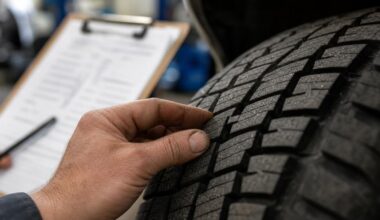
Regular maintenance prevents many common car issues before you leave home. Check your tire pressure and inspect tread wear before taking long highway drives. Test your battery strength so your engine starts without trouble.
Carry extra fluids like coolant and windshield washer fluid in your trunk. Monitor your fuel gauge and refill your tank before it gets too low. Small prep steps keep your road trips smooth and stress free.
More Driving Tips and Advice
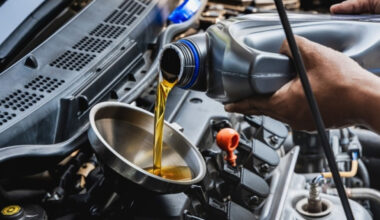
Preparing for car trouble ahead of time saves time and reduces stress. Practice basic maintenance routines like checking oil levels regularly. Keeping a fully stocked roadside kit helps you handle unexpected breakdowns with confidence.