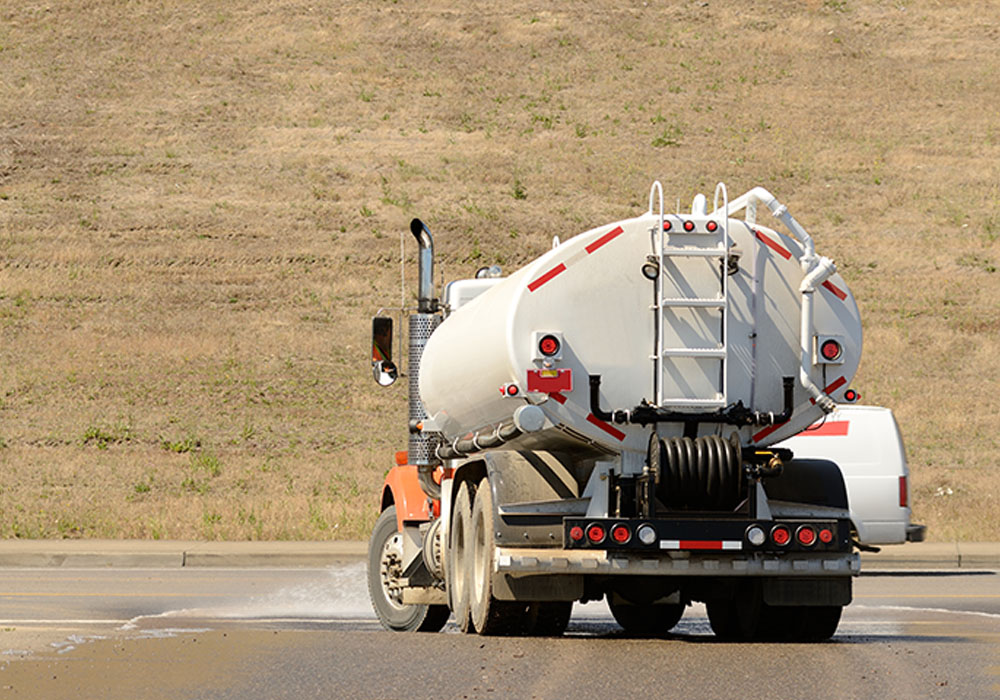
Tough sites need tough trucks, plain and simple. Mining pits, outback roads, and rough civil sites chew through weak equipment fast. A truck that looks fine on paper can still fail once it hits real dust, heat, and rocky ground. That is why a rugged water cartage truck built for demanding conditions saves so much time and money over the life of a project. Strong steel, solid suspension, and a reliable pump system make the real difference between a truck that lasts for years and one that breaks down within just a few short months on site.
What Makes a Truck Frame Actually Rugged?
A rugged frame starts with heavy duty steel built to handle constant vibration and load shifts. Trucks built on standard delivery frames tend to crack or bend faster once they hit mining tracks or outback roads. Reinforced chassis designs spread weight better, which cuts down on wear across the axles and mounts over the life of the truck.
How Does Suspension Affect Truck Life on Rough Sites?
Strong suspension soaks up the shock from potholes, loose rock, and uneven ground. Weak suspension passes that shock straight into the tank and pump system, which shortens their working life fast. Sites in remote regions, where roads stay dry and rutted for months at a time, put more strain on suspension than any city job ever will.
Why Do Tanks Need Rust Resistant Materials?
| Material | Best For | Rust Risk |
| Mild Steel | Budget builds | Higher risk over time |
| Galvanised Steel | Most civil and mining jobs | Low risk with proper coating |
| Stainless Steel | Coastal or wet sites | Very low risk overall |
What Pump Features Matter Most in Harsh Heat?
High heat puts real strain on pump seals and hoses. Pumps rated for continuous duty handle long shifts in 40 degree heat far better than standard models built for light home use. A pump that overheats halfway through a shift costs more in downtime than the price difference of simply buying a better one upfront from the start.
What Should a Buyer Check for Toughness?
- Chassis steel grade and reinforcement points
- Tank coating and rust protection
- Pump duty cycle rating
- Suspension type and axle rating
- Spray bar durability under constant vibration
- Warranty terms for harsh condition use
Do Rugged Trucks Really Save Money Long Term?
Yes, and the numbers back it up clearly. Unplanned truck downtime on remote sites can cost thousands per day in lost work and missed deadlines. A truck built for demanding conditions from day one avoids most of that cost, since it simply keeps running when cheaper builds start failing under pressure.
How Do You Test Ruggedness Before You Commit?
Ask for photos or a walk around under load, not just an empty tank demo in a clean yard. Check weld points, axle mounts, and tank supports for early signs of stress or patch repairs. A supplier confident in their build will happily show you the truck working under real, harsh conditions rather than a polished showroom setting.
What Role Does Driver Experience Play on Tough Sites?
Even the toughest truck needs a skilled driver behind the wheel to last as long as it should. Drivers who understand load balance, tank sloshing, and rough terrain speed limits put far less strain on the frame and suspension over time. Training a driver properly on a new rugged truck is a small cost compared to repair bills from careless handling on steep or rocky ground.